Scary Charts – 10.10.24 (and the answer to the question is NO)

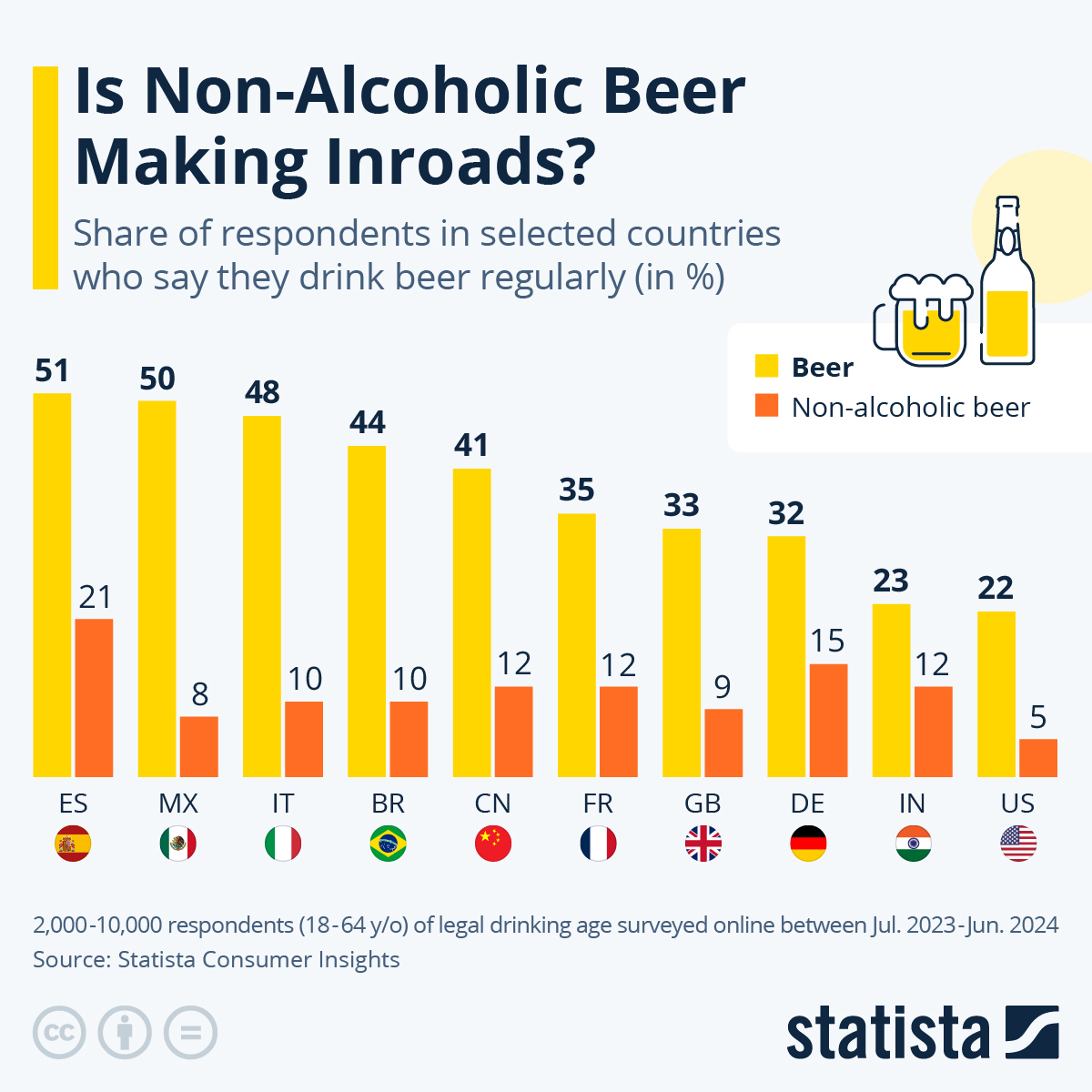
Who’s Drinking (Non-Alcoholic) Beer?https://www.statista.com/chart/33210/regular-beer-drinkers-survey/

Anyone who knows me personally or has followed my blog posts know I have a fondness for beer. The problem is empty non-nutritional calories. I just learned about Persistent Metabolic Adaptation so I thought why not try a new strategy? Yup, I’m testing non-alcoholic beers. Sample size is small, researcher bias definitely exists, so don’t try to extrapolate my findings to a larger population of non-alcoholic beers. So, straight to the research.

Coors Edge – somewhat palatable, tastes somewhat like beer.

Heineken 0.0 – odd taste, worse aftertaste almost like a spoiled real Heineken.

I’m guessing whatever the Spaniards are drinking must taste better than the zero taste, zero alcohol brews we have in the US.
Persistent Metabolic Adaptation

Sunday 10/6

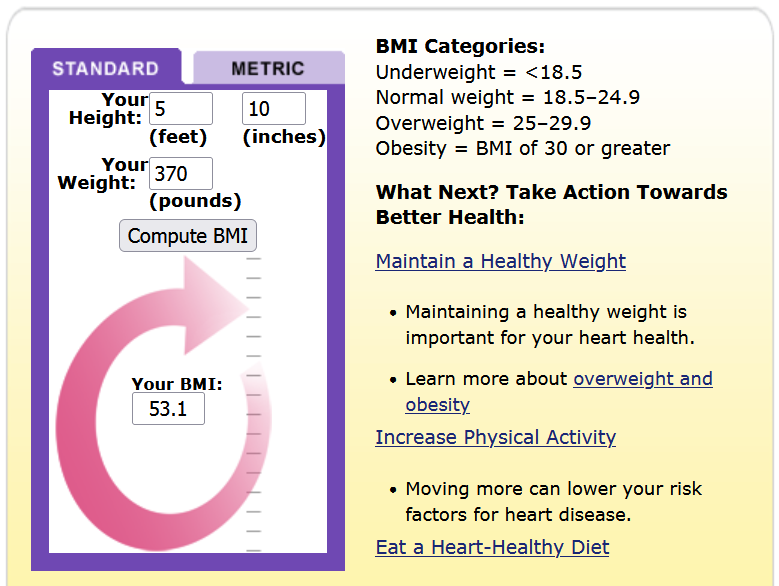
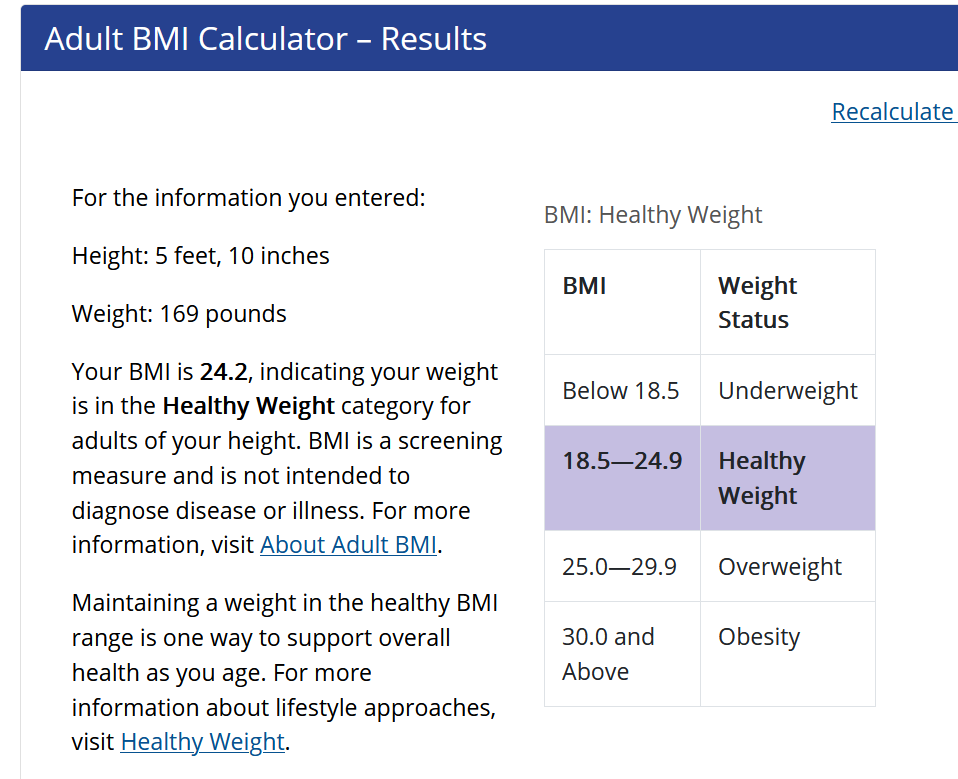
Straight to the point. My BMI is back in the overweight range. I was hoping for a random uptick with a gradual return to my 173-175 range but it has not happened. I now fluctuate between 177 and 178. Another pound or two and my skinny jeans won’t fit anymore. So the research geek in me took over. I wanted to know why I’m gaining weight after years of keeping my number down. Lack of enough exercise was an obvious reason. But I also felt my metabolism changed (again) so down the rabbit hole I went. The deeper I went the dots starting connecting.

I recall reading somewhere that successful weight loss maintainers changed their diets multiple times in their lifetimes. I found this to be true in my case. Remember The Biggest Loser television show? I found this fascinating study Persistent metabolic adaptation 6 years after “The Biggest Loser” competition https://doi.org/10.1002/oby.21538. Fascinating because the participants with greater long-term weight loss also had greater ongoing metabolic slowing. It appears my metabolism is slowing down not just from age but also from the fact I’ve maintained my weight loss for a long time.

And if this wasn’t bad enough I stumbled upon Metabolic adaptation is associated with a greater increase in appetite following weight loss: a longitudinal studyhttps://doi.org/10.1016/j.ajcnut.2023.10.010. Lose weight. Appetite increases!

The universe opened up her secrets to me. I need to change my diet (again).

Take Home Lesson

Long-term weight loss requires perpetual behavioral adaptation to offset persistent metabolic adaptation.

In plain English, I have to eat less or I’m screwed. Because I already know I’m in the one third category.

About 10 percent of older people living in their own homes do not eat enough and one-third of people over the age of 65 eat too much. More than half of older people in hospitals or nursing homes have malnutrition (poor nutrition or diet). – https://www.healthinaging.org/a-z-topic/nutrition/basic-facts

More Sugar More Fat Please

The study, published online Wednesday in the journal Cell Metabolism, found eating a snack high in fat and sugar every day alters the reward circuits in human brains to create lasting preferences.

Fatty and sugary foods train your brain to hate healthier options: Yale study — New York Post, March 22, 2023

HT to Sally Feltner for the original post. Link to the original post is provided above. I’ve also credited the New York Post because I’m not sure who wrote the sentence I’ve quoted.

What I am sure about is my cerebral reward circuits still function very well if I have to choose between a piece of fruit or a cup of ice cream. Or a piece of pizza versus a salad. Or french fries rather than a plain baked potato.

Random Thoughts – September 2022

“Some of the best evidence for the role of exercise in maintaining weight loss comes from the National Weight Control Registry, an online group of over ten thousand men and women who have lost at least thirty pounds and kept it off for at least a year. These folks defy the cynical view that meaningful, sustainable weight loss is impossible. The average Registry member has lost over sixty pounds and kept it off for more than four years. They are truly exceptional…Nearly all of them (98 percent) report changing their diet to lose weight, which makes sense given how diet can affect the reward and satiety systems in our brain and impact how much we eat.”

Herman Pontzer PhD Burn (pp. 255-256). Penguin Publishing Group. Kindle Edition

I posted about this book back in May on my other world famous blog. http://lifeunderwriter.net/2022/05/11/read-this-book/

From your “exceptional” self-proclaimed expert on weight loss you’re welcome.

8784 signing off.

Reasons For Weight Regain

The primary reason for weight regain is biology. The brain defends against weight loss because of an old biological play book. If our ancestors lost weight, it was not to look good for a wedding or because of bathing suit season. Back then, weight loss was either because of illness or an interrupted food supply. Simply put, defending against weight loss was defending against death.

Guest Post: Reasons For Weight Regain – https://www.drsharma.ca/guest-post-reasons-for-weight-regain

This blog post is filed under “Things I Wish I Knew 50 Years Ago”.

If you struggle with weight loss followed by weight gain this article could save you from years of riding the roller coaster.

I just got back from a trip to Colorado, Craft Beer Capital of the World.

Here’s what happened. Nothing!

Random Thoughts at Halloween 2021

October 31

The town we live in moved Halloween to October 30. Weather was perfect and last night felt almost like a pre-Pandemic Halloween full of tricks or treats. The majority of the kids were masked despite the fact it was an outdoors activity. We ran out of candy except for a few M&M’s and one Snickers bar. It felt…eeirly normal.

Many times in life I find myself ignorant of my own advice. There’s beer AND ice cream in the house. Excess candy would have made the situation worse. We all know the addictiveness of sugar and chocolate. I’ve been managing my addiction by eating chocolate covered granola bars but that’s another story.

When my weight was 200 my rationalizations were endless. It’s a whole lot better than 370. Everyone puts on weight as they age. My 38 inch jeans still fit. YOLO so have another beer… At 200 I felt my ideal weight was 175. This year I gained seven pounds to get to my ideal weight. YIKES.

With the goblins gone the annual Holiday Season for Gaining Weight has begun. Time to get super serious again and make better food choices. Portion control. Less snacking. More bourbon and scotch, less beer. Less granola, more oatmeal. The food swaps are endless. Pick what works for you (as long as they’re not chocolate covered granola bars).

I can fit into my 36 inch jeans but they are somewhat snug. The battle continues. Maybe I need to eat more Heart Healthy Small Bites.

Pumpkin Tree 2021

Finally Feeling Normal

Monday I restarted a food diary. The recollection of my indiscipline over the past several months plus a recent online article on this topic reminded me of the effectiveness of writing down what you eat especially if you want to lose weight or maintain what was lost. Put simply I’ve been bad. Time once again to get better at what I need to do. Two months ago I wrote “I’m not sure how much longer I can cheat like this and not gain any weight but I’m sure enjoying whatever time I have before I need to start restricting certain foods and drinks”.

The scale read 176 a few days ago.

I hit The Panic Button.

At the present I am walking a tightrope between normal and overweight.

The struggle continues. But sometimes I plug in the old numbers to remind myself of the old me.

Why Crash Weight Loss Programs Don’t Work

One of the most startling findings is the notion of constrained daily energy expenditure. This is the idea that the human metabolism adapts to our activity levels to keep our daily calorie burn in a surprisingly narrow range — no matter how hard you work out

Why Crash Weight Loss Programs Don’t Work: Clues From Hunter-Gatherer Societies — https://www.npr.org/sections/health-shots/2021/07/16/1016931725/study-of-hunter-gatherer-lifestyle-shows-why-crash-weight-loss-programs-dont-wor?utm_source=pocket-newtab

Now I understand how my low exercise levels during year one of the pandemic factored into my weight loss efforts. My metabolism reset and it spent calories on other life functions. Here’s the part of the interview that hit home for me. The quote refers to a recent television show The Biggest Loser.

Contestants went on this show and were put under a brutal routine of intense exercise, coupled with near starvation. You can lose a lot of weight that way. But it’s not sustainable. Your body pushes back hard by slashing its metabolic rate.

The Take Home Lesson

DO exercise for all of its associated health benefits. But exercising more is not exactly the best strategy for losing weight.

Herman Pontzer is an evolutionary anthropologist at Duke University. His theory argues that human metabolism has evolved to the point where how we eat and expend our calories is more important than what we eat. I think I’ll put his recent book on my list of books to read.

Should you eat many small meals to boost weight loss?

The short and simple answer is no. This eating pattern worked for me until it didn’t.

For example, researchers told 51 adults with overweight or obesity to eat 1,200 to 1,500 calories a day, either as three meals or as mini-meals (with at least 100 calories each) every few hours. After six months, the grazers had lost no more weight than the three-meals-a-day eaters. And when Schoenfeld analyzed the data on weight from 15 trials that lasted two weeks to a year, “there was no difference if people ate, say, one meal or five.”

Should you eat many small meals to boost weight loss? — https://www.nutritionaction.com/daily/diet-and-weight-loss/should-you-eat-many-small-meals-to-boost-weight-loss/

The Challenge to Stay Active During the COVID-19 Pandemic

Certain COVID-19 measures, including the closure of sport and exercise facilities, as well as remote working practices can lead to sedentary behaviors for both young and old. With less outdoor activity and more indoor time, people reported turning to comfort foods and “pandemic baking.” In fact, grocery stores struggled to keep up with the demand for flour. Dr. John Morton, Medical Director of Bariatric Surgery at Yale New Haven Health Systems, says that during telehealth appointments, he has seen patients who have gained 5-30 pounds [5].

Physical Health, Obesity, and the Challenge to Stay Active During the COVID-19 Pandemic — https://www.rgare.com/knowledge-center/media/covid-19/physical-health-obesity-and-the-challenge-to-stay-active-during-the-covid-19-pandemic

Author Disclaimer – The quote and article link above have been sourced from my employer and is not a shameless act of self-promotion. The paragraphs following this disclaimer are indeed a shameless act of self-promotion to generate interest in purchasing my future best seller which is currently a work in progress.

I have lost over 20 pounds during The Great Pandemic Year One.

Boom.