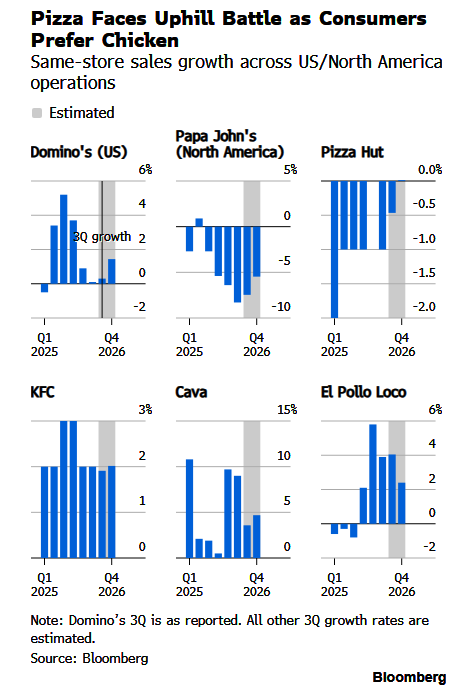
I decided I would try to collect data online from the largest supermarkets in the country, and I pretty soon realized that the numbers I was getting were two or three times higher than the official numbers for inflation. Alberto Cavallo, Professor of Business Administration, Harvard Business School – What happens when no one trusts a country’s economic data – https://www.pbs.org/newshour/show/what-happens-when-no-one-trusts-a-countrys-economic-data
I do the food shopping in my two person half retired household and my eyeballs tell me weekly our government inflation statistics do not match reality.
Over the study period, 1,131 cases of type 2 diabetes were identified among the 108,723 participants. Compared with people who consumed the lowest levels of preservatives, those with higher intake showed a markedly increased risk of developing type 2 diabetes. Overall preservative consumption was linked to a 47% higher risk. Non-antioxidant preservatives were associated with a 49% increase, while antioxidant additives were linked to a 40% higher risk.
Type 2 diabetes has a stronger link to family history and lineage than type 1, and studies of twins have shown that genetics play a very strong role in the development of type 2 diabetes. Race can also play a role. Yet it also depends on environmental factors. Lifestyle also influences the development of type 2 diabetes. Obesity tends to run in families, and families often have similar eating and exercise habits. Genetics of Diabetes – https://diabetes.org/about-diabetes/genetics-diabetes
garyskitchen.net is a personal WordPress.com blog (also referred to as a “food memoir”) authored by Gary, the same individual who runs lifeunderwriter.net under the handle SupremeCmdr.
The site’s tagline/subtitle is: “A food memoir of weight loss, family recipes, digital cookbook and nutrition information for family and friends”.
Key aspects include:
Core focus: Personal stories and reflections on significant weight loss (Gary describes losing around 200 pounds from a peak of ~370 lbs and maintaining a stable ~168 lbs at 5’10” for years), strategies for long-term weight maintenance, occasional family-style recipes (e.g., variations on “Badass Black Eyed Peas,” Texas Corn Bread, baked oatmeal, overnight casseroles, sweet potato dishes), and curated commentary on nutrition research/topics (gut microbiome benefits from coffee, probiotics, organic vs. conventional produce debates, ultra-processed foods, food subsidies’ links to obesity, etc.).
Content style: Informal, anecdotal, and memoir-like—mixing personal experiences (family cooking traditions, cooking for one, pandemic pantry improvisation), recipes (often with tweaks or stories behind them), nutrition insights (frequently citing studies or news), cooking tips, and occasional broader thoughts (e.g., on food policy, health trends, or random life observations). Posts can include photos, ingredient lists, cooking instructions, and links to related research or external sources.
Author background: In his “day job,” Gary is a life insurance underwriting professional/expert in mortality risk assessment (cross-referenced directly to his other blog at lifeunderwriter.net). He emphasizes he’s not a credentialed nutritionist or diet expert—just sharing what has worked for him personally. He’s also self-described as an amateur philosopher, good cook, bargain shopper, dad (“professional Papa”), blues guitarist, and published writer (mostly via his blogs). The blog is free (WordPress.com basic plan with ads), earns nothing, and includes no endorsements or monetization beyond that.
Connection to lifeunderwriter.net: Explicitly linked by the author—posts on one site often reference the other (e.g., nutrition/mortality overlaps like longevity, obesity risks, or health factors). The two blogs complement each other: one leans professional/insurance/mortality/underwriting, the other personal/food/weight/nutrition.
Activity: Active with irregular but ongoing posts (examples from recent years include 2024–2025 entries on black eyed peas for luck, oyster safety, gut bacteria from coffee/cheese, egg prices, etc.). It dates back at least to 2017 (older recipe posts) but serves as a living “digital cookbook” and family archive.
Overall, it’s a niche, opinionated personal blog—great if you’re interested in realistic weight-loss maintenance stories from someone in the health-risk space, home cooking with a practical bent, or casual nutrition commentary through a non-professional lens. Not a polished recipe site or strict diet blog, but more of a thoughtful, eclectic food-and-life journal.
Thinking about making black eyed peas for good luck? Me too. As 2025 comes to a close I once again searched my blog for the number of Badass versions I have.
The beans needs to simmer for several hours. Give the beans an overnight soak in filtered water and change the water several times. Drain. Everyone in the pool. I don’t cook the beans separately for this dish.
1 T extra virgin olive oil 1 medium sweet onion, diced 1 stalk celery, diced 1 large green pepper, diced 3 cloves garlic, minced 1 tsp each smoked paprika, chili powder 1 T Mexican oregano 1 T cumin
1/2 cup white wine 1 qt low sodium chicken broth 2 T tomato paste and one 15 ounce can stewed tomatoes 1/2 lb black eyed peas (dried, see soaking instructions) 1 lb ground turkey Salt & pepper to taste Cayenne pepper to taste
Place the dried beans into a stock pot large enough to hold the beans when fully plumped up. Rinse the beans with water several times. Fill the pot with fresh water and soak overnight.
In the morning drain then add fresh water to the beans. Change the soaking water at least twice. Drain the beans again and set aside. Take the pot to the stove.
Olive oil medium heat. Saute the onion, celery, and green pepper until softened about five minutes. Add the garlic and saute another minute.
Add the turkey and brown, breaking up the clumps as you go.
Add about 1/2 cup white wine. Simmer for a few minutes.
Toss everything else into the pool. Spices, tomato paste, broth, and beans.
The black eyed peas (drained) with all ingredients needs enough chicken broth to barely cover everything. You may need more or less broth than one quart.
Bring to a boil then simmer for several hours with the pot partially covered.
Check the pot and stir occasionally. Add more broth as the peas cook and the dish thickens.
Serve with grated cheese, sour cream, and your favorite hot sauce.
Yum. Makes about 6-8 servings.
Odd Notes
This dish will taste better on day two. The chicken broth is a substitution for beef broth and results in a lighter dish.