15 oz canned Low Sodium Black Beans, rinsed and drained
juice of 1 lime
1 tsp chili powder
½ tsp cumin
1-1.5 T light brown sugar
dash salt
dash of ground black pepper
dash dried cilantro
Prepare the dressing by mixing the olive oil, lime juice, spices, sugar, salt and pepper. Taste and adjust the seasonings.
Place everything else in a bowl. Dump the dressing in. Mix well.
Put the bowl on the kitchen countertop and allow the corn to fully defrost
If you have time, cover the bowl with plastic wrap and let sit in the fridge overnight to allow the flavors to marry. If not a good hour or two at room temperature should allow the flavors to marry.
Before serving, toss, taste and adjust seasonings.
I seriously wonder if there are any original recipes out there. You think to yourself “Let’s make a black bean and corn thing tonight”. So you do what everyone else does and hop on the internet to find numerous recipes that are pretty much the same. Full Disclosure: This recipe is a copycat and my inspiration was here.I don’t want to be accused of stealing a recipe that everyone makes in some form or another. (I found this post in my list of unpublished drafts from years ago and just published so the link may not work).
Tips and Things Most Cooks Don’t Tell You.
I used garlic powder, not fresh garlic. Use fresh if you like BIG garlic flavor. Powder is more subtle. Instead of red onion I used sweet onion and only about a quarter cup. No jalepeno. Too spicy. Watch the size of your lime. I used the juice from a half of a lime but it was a huge lime.
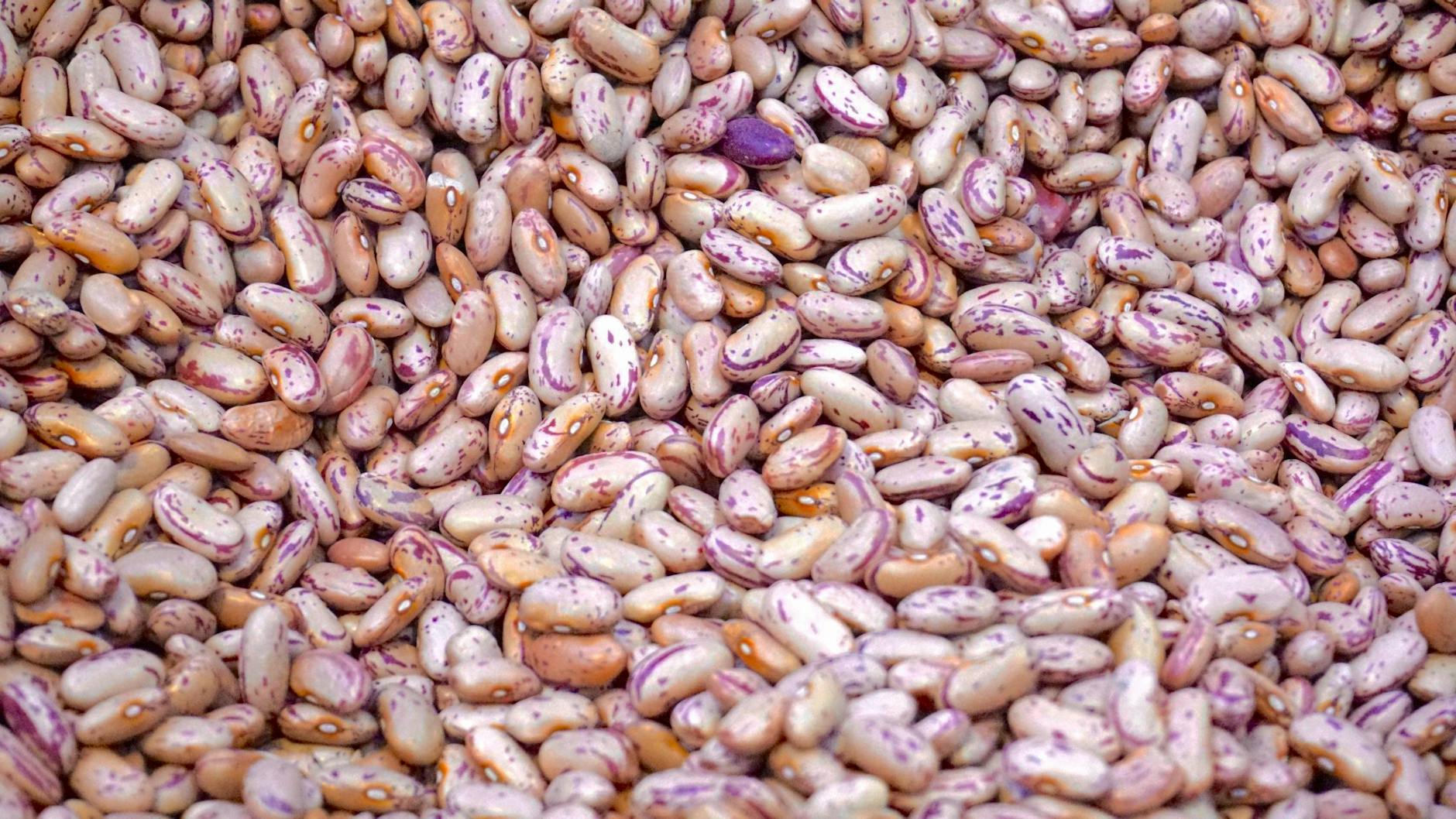
Beans and peas are the best meat and milk replacement from nutritional, health, environmental, and cost perspectives.
Our findings suggest that suitable alternatives to meat and milk exist and are available and affordable without necessarily requiring new technologies or product development. This contrasts with discussions in high-income countries on the needs to develop novel replacement foods, especially those that would completely mimic meat and dairy (18). Our nutritional, health, environmental, and cost analyses suggest that if one is prepared to consider foods for their properties instead of whether they are completely mimicking meat or dairy—and surveys suggest that consumers are (49)—then unprocessed legumes are, for the most part, superior to processed alternatives. This is also relevant for low and middle-income countries where legumes are readily available, but discussions on processed meat and milk alternatives are at an earlier stage, despite diets rapidly becoming similarly imbalanced as in high-income countries (1, 50). M. Springmann, A multicriteria analysis of meat and milk alternatives from nutritional, health, environmental, and cost perspectives, Proc. Natl. Acad. Sci. U.S.A. 121 (50) e2319010121, https://doi.org/10.1073/pnas.2319010121 (2024).
Once a fringe movement, it is now firmly mainstream, something that is being reflected by increasing vegan options in restaurants and supermarkets.
Nope. Still a trendy thing on the fringe. Don’t take this the wrong way. I haven’t eaten any meat in several days. But please try to do just a little bit of serious research before jumping to conclusions.
Oh sorry, I forgot this was a food blog. If you’ve read this far, thank you for reading my mini-rant. And to think I started this post thinking about making a new to me chickpea recipe.