
Trouble in Paradise (it’s Weight Gain Season)

“Competition puts hurdles in front of you that you have to clear.” 

OKC Thunder coach Mark Daigneault

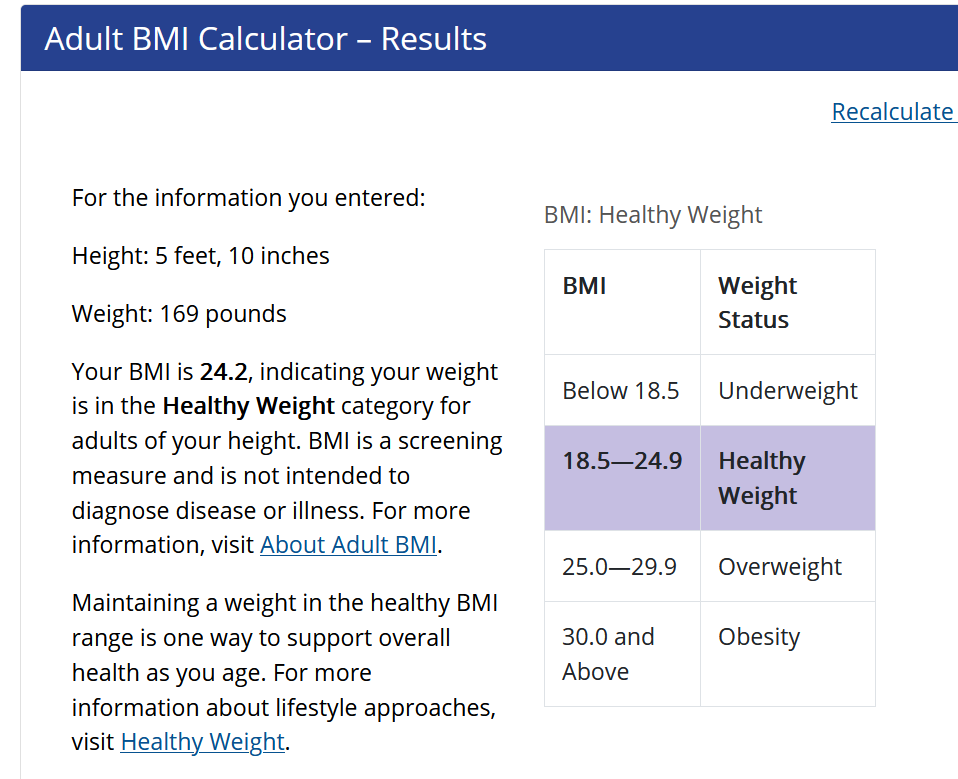
Life puts hurdles in front of you that you have to clear. Like Thanksgiving. TGTIO (Thank God Thanksgiving is Over). We were out of town for only three days. I gained three pounds. I’m not good at math but I think this equates to one pound per day. YIKES. There’s 35 days until the first day of the New Year. At this pace I’ll weigh 208 pounds…

But I am not alone. This chart is attributed to the New England Journal of Medicine but I could never find the original source article.

As the years pass I get better at understanding why I put the pounds on. This was our dessert board on Turkey Day.

I can’t get Tex-Mex in Oklahoma. So when in Texas I need Tex-Mex. At one of my favorite Tex-Mex stops I discovered a new favorite, the #10.

The numbers above are calories, fat calories, and fat in grams. 2950 mg of sodium too (the original chart has more nutrition information).

We ate Tex-Mex Wednesday and Friday, the perfect bookends to Thanksgiving.

I had #10 twice.

Take Home Lesson

Salt, sugar, fat and excess calories. Taking and/or keeping the weight off is simple when you reduce intake of these four items.

Restaurant meals will kill you. Literally.

There is absolutely nothing wrong with every now and then so long as it’s every now and then.

My skinny jeans fit fine. I’ll get back to my usual routine and diet and the three pounds should come off and I’m good until the next hurdle. Until then I’ll wear my black t-shirts because dark colors make you look thinner.
Eat More Protein at Breakfast

A year-long study of the dietary habits of 9,341 Australians has backed growing evidence that highly processed and refined foods are the leading contributor of rising obesity rates in the Western world.

The new study, in the latest issue of the journal Obesity conducted by the University of Sydney’s Charles Perkins Centre (CPC), was based on a national nutrition and physical activity survey undertaken by the Australian Bureau of Statistics (ABS), and further backs the ‘Protein Leverage Hypothesis’. 

Participants with a lower proportion of protein than recommended at the first meal consumed more discretionary foods – energy-dense foods high in saturated fats, sugars, salt, or alcohol – throughout the day, and less of the recommended five food groups (grains; vegetables/legumes; fruit; dairy and meats). Consequently, they had an overall poorer diet at each mealtime, with their percentage of protein energy decreasing even as their discretionary food intake rose – an effect the scientists call ‘protein dilution’. 

“The results support an integrated ecological and mechanistic explanation for obesity, in which low-protein, highly processed foods lead to higher energy intake in response to a nutrient imbalance driven by a dominant appetite for protein,” said Professor Raubenheimer. “It supports a central role for protein in the obesity epidemic, with significant implications for global health.”

Study confirms that processed foods key to rising obesity — https://www.sydney.edu.au/news-opinion/news/2022/11/08/processed-foods-key-to-rising-obesity-study-finds-.html

Beans for breakfast anyone? Eggs?

Link to the original study Macronutrient (im)balance drives energy intake in an obesogenic food environment: An ecological analysis – https://onlinelibrary.wiley.com/doi/10.1002/oby.23578

Earlier posts on the obesogenic food environment:

More on the Obesogenic Environment

Obesogenic food environment

More on the Obesogenic Environment

In an editorial in Obesity, Corkey discusses the many different theories explaining why obesity continues to increase despite best efforts at controlling weight gain in this environment, including increased availability and marketing of high-calorie and high-glycemic-index foods and drinks, larger food portions, leisure time physical activities being replaced with sedentary activities such as watching television and use of electronic devices, inadequate sleep, and the use of medications that increase weight.

According to Corkey, all of these purported explanations assume an environmental cause that is detrimental to the organism involved, (humans).

Boston University School of Medicine. “Finding the solution to obesity: Culinary medicine, emerging evidence-based field, ID’d as early intervention.” ScienceDaily. http://www.sciencedaily.com/releases/2022/11/221102115527.htm (accessed November 3, 2022)

Diseases related to obesity correlate with both the extent and duration of obesity. This suggests that diseases related to obesity will also increase more rapidly owing to the younger onset and more severe forms of the disease.

Barbara E. Corkey, Caroline M. Apovian. “En attendant Godot”: Waiting for the answer to obesity and longevity. Obesity, 2022; 30 (11): 2105 DOI: 10.1002/oby.23462

I have a growing sense of urgency to finish writing my future best seller.

I just have to figure out how to describe what I know in language simple enough for everyone to understand.

42 Vegetarian Butternut Squash Recipes- Vegetarian Times

The linkhttps://www.vegetariantimes.com/vegan-vegetarian-recipes/best-butternut-squash-recipes/

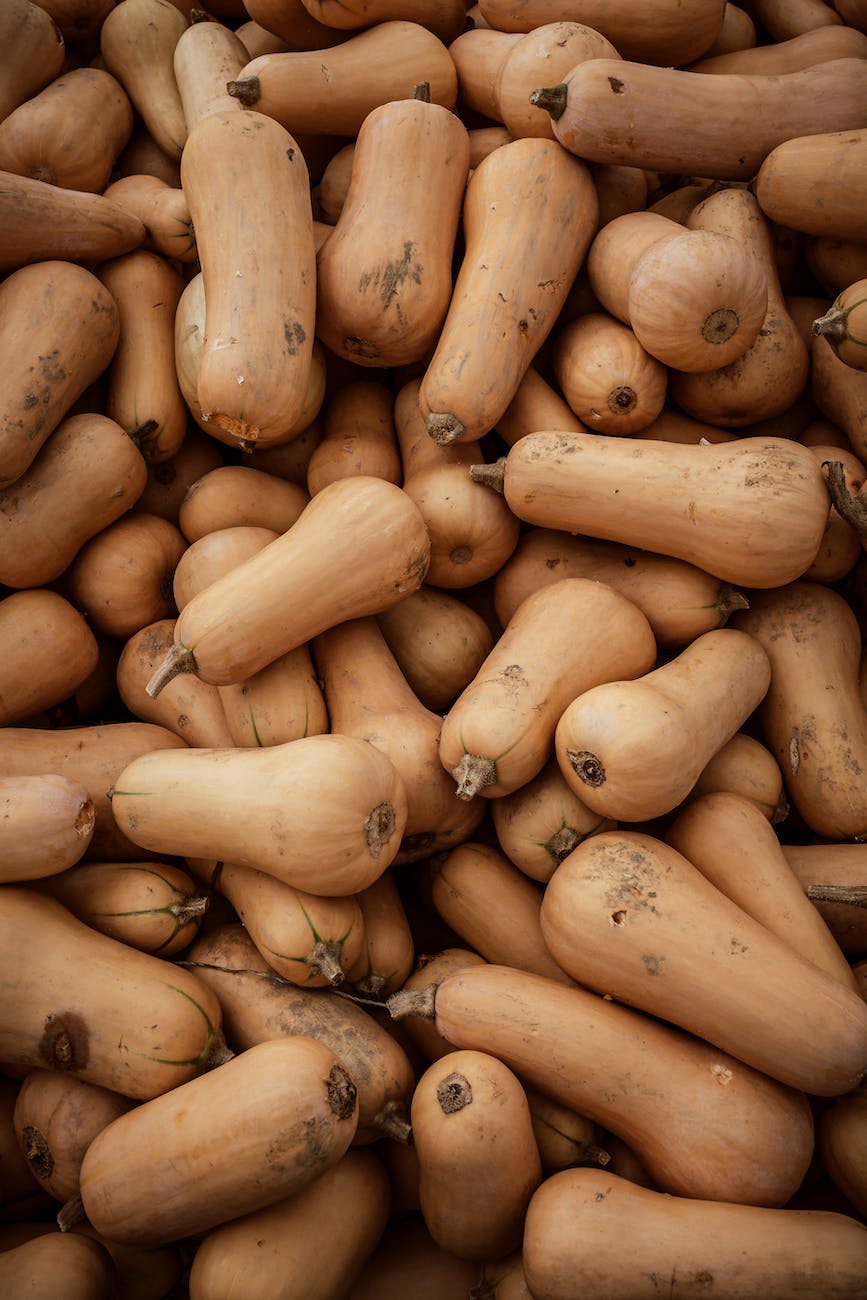
Here is another post/link in my periodic electronic sticky note series. I may have one or two butternut squash recipes I return to every year. And when one of those recipes is oven roasted butternut squash and the other is Butternut Squash Enchilada Casserole it’s time to find some new recipes.

Photo by Justus Menke on Pexels.com

Wait. I found another butternut squash recipe in my vast (3) collection of favorite butternut squash recipes, the classic Butternut Squash and Spinach Lasagne.

Classic.

Random Thoughts – September 2022

“Some of the best evidence for the role of exercise in maintaining weight loss comes from the National Weight Control Registry, an online group of over ten thousand men and women who have lost at least thirty pounds and kept it off for at least a year. These folks defy the cynical view that meaningful, sustainable weight loss is impossible. The average Registry member has lost over sixty pounds and kept it off for more than four years. They are truly exceptional…Nearly all of them (98 percent) report changing their diet to lose weight, which makes sense given how diet can affect the reward and satiety systems in our brain and impact how much we eat.”

Herman Pontzer PhD Burn (pp. 255-256). Penguin Publishing Group. Kindle Edition

I posted about this book back in May on my other world famous blog. http://lifeunderwriter.net/2022/05/11/read-this-book/

From your “exceptional” self-proclaimed expert on weight loss you’re welcome.

8784 signing off.

Sugar disrupts microbiome, eliminates protection against obesity and diabetes (in mice)

Photo by Nishant Aneja on Pexels.com

After four weeks on the diet, the animals showed characteristics of metabolic syndrome, such as weight gain, insulin resistance, and glucose intolerance. And their microbiomes had changed dramatically, with the amount of segmented filamentous bacteria — common in the gut microbiota of rodents, fish, and chickens — falling sharply and other bacteria increasing in abundance.

Sugar disrupts microbiome, eliminates protection against obesity and diabetes — Columbia University Irving Medical Center. “Sugar disrupts microbiome, eliminates protection against obesity and diabetes.” ScienceDaily. http://www.sciencedaily.com/releases/2022/08/220829194721.htm (accessed September 7, 2022)

Here’s the link to the original study – https://www.cell.com/cell/fulltext/S0092-8674(22)00992-8?_returnURL=https%3A%2F%2Flinkinghub.elsevier.com%2Fretrieve%2Fpii%2FS0092867422009928%3Fshowall%3Dtrue

I’m cleaning up my saved drafts for this blog and apologize up front if I’ve already posted this. But since this post was in my draft folder I’m pretty sure I haven’t already posted this. I need to delete some drafts I’ve kept around since 2018.

2018!!!

You Are What Your Ancestors Ate

Humans also vary in their ability to extract sugars from starchy foods as they chew them, depending on how many copies of a certain gene they inherit. Populations that traditionally ate more starchy foods, such as the Hadza, have more copies of the gene than the Yakut meat-eaters of Siberia, and their saliva helps break down starches before the food reaches their stomachs.

These examples suggest a twist on “You are what you eat.” More accurately, you are what your ancestors ate. There is tremendous variation in what foods humans can thrive on, depending on genetic inheritance. Traditional diets today include the vegetarian regimen of India’s Jains, the meat-intensive fare of Inuit, and the fish-heavy diet of Malaysia’s Bajau people. The Nochmani of the Nicobar Islands off the coast of India get by on protein from insects. “What makes us human is our ability to find a meal in virtually any environment,” says the Tsimane study co-leader Leonard…

In other words, there is no one ideal human diet. Aiello and Leonard say the real hallmark of being human isn’t our taste for meat but our ability to adapt to many habitats—and to be able to combine many different foods to create many healthy diets. Unfortunately the modern Western diet does not appear to be one of them.

The Evolution of Diet — https://www.nationalgeographic.com/foodfeatures/evolution-of-diet/

Food for thought (pun intended).

This article is worth reading even if you remember just one concept.

There is no one ideal human diet.

It’s Struggle Meal Time

Photo by Dayvison de Oliveira Silva on Pexels.com

Rice and beans may be a struggle meal, but there’s a reason so many gravitate to this humble dish. It’s filling, it’s nutritious, and it’s cheap. Given the right preparation and a few seasonings, rice and beans can also be delicious and satisfying. Beans are basic, but also infinitely versatile.

Which Beans Have the Most Protein?https://vegnews.com/2022/8/bean-protein-guide

I’ve known for quite some time that beans are a poor person’s meal. But in all of my years on the planet this is the first time I’ve heard of beans referred to as a struggle meal. Well struggling or not everyone should be eating more beans for the health benefits.

Is There a Solid Scientific Basis for Recommending You Eat Two Servings of Fatty Fish a Week? — The Skeptical Cardiologist

The skeptical cardiologist has previously agreed with widespread dietary guideline recommendations that encourage most adults to consume a variety of fish, preferably oily types (eg, salmon, sardines, tuna, and mackerel), at least twice a week for the prevention of cardiovascular disease. Much of my faith in fish and fish oil, however, was based on observational…

Is There a Solid Scientific Basis for Recommending You Eat Two Servings of Fatty Fish a Week? — The Skeptical Cardiologist

Thank you Dr. Pearson.

Start-up of the month: non-HFSS cereals (Brave) — The Food Science Addict

Are you looking for a better understanding of non-HFSS foods? Do you want to know which brand is thriving? Brave is a UK plant-based snack brand. They have recently developed a grain-free, sugar-free breakfast cereal product made from chickpeas and peas. This product is known as Super Hoops (available in Original and Cinnamon flavours) and,…

Start-up of the month: non-HFSS cereals (Brave) — The Food Science Addict

HFSS = (High in Fat, Sugar, and Salt).

A small step in the right direction. But you still have to get consumers to buy, try, and buy again. Changing habits can be very hard to do.