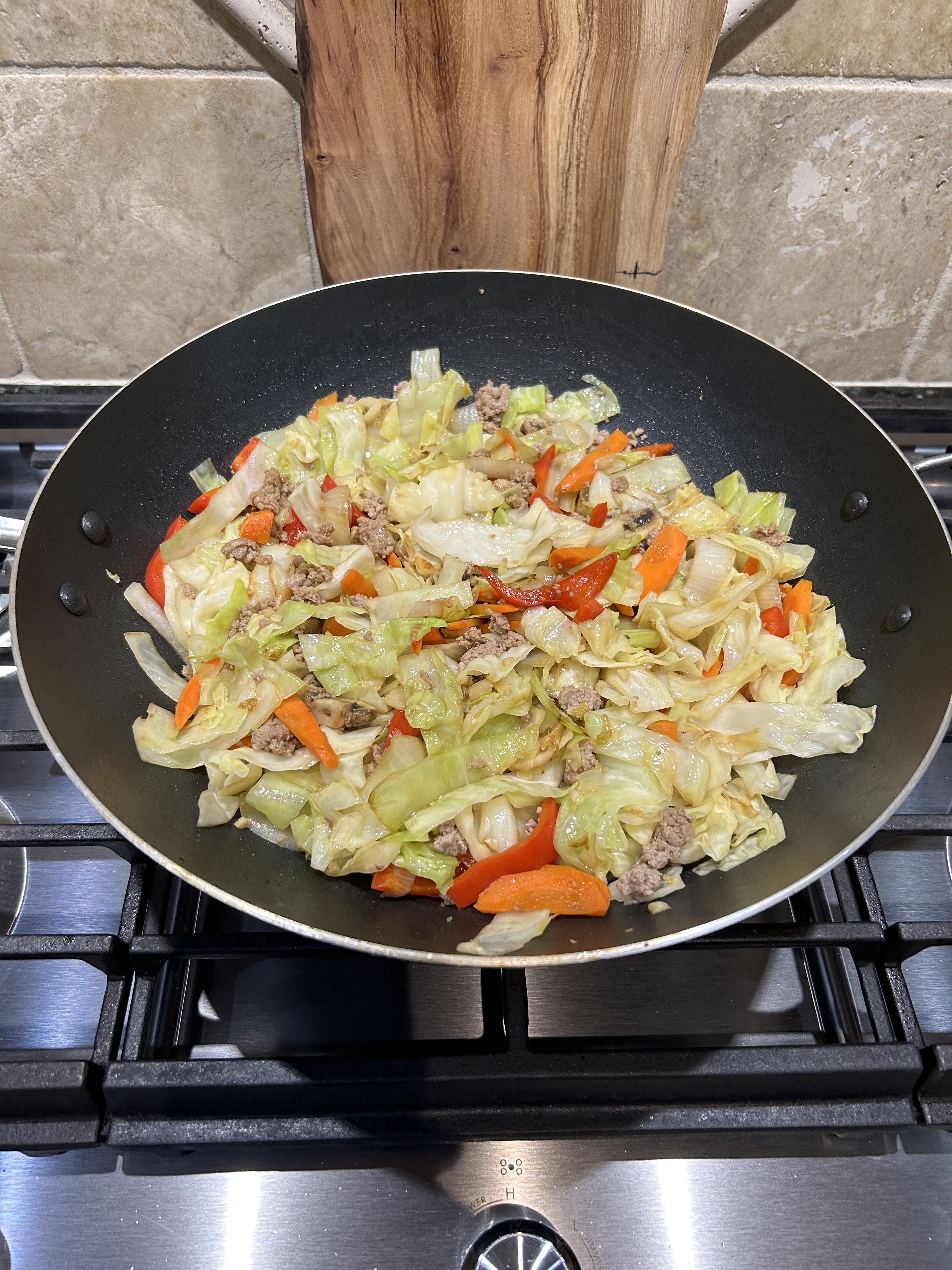
Cooking for one again. Yeah, I know. That’s a lot of food for one person.

A food memoir of weight loss, family recipes, digital cookbook and nutrition information for family and friends
Cooking for one again. Yeah, I know. That’s a lot of food for one person.

The pups back in July. Remember these guys?

The pups after replanting and spending an ungodly number of days in 100+ degree heat. I didn’t think they would survive.
But they did.

The Boss says if I retire I need a hobby. Voila! New hobby!
ICYMI
These 15 potentially dangerous supplement ingredients can cause health problems including organ damage, cancer, and cardiac arrest.
Source: 15 Supplement Ingredients to Always Avoid – Consumer Reports
Chunky, creamy, or powdered? A nutritionist chimes in about powdered peanut butter.
Source: Powdered Peanut Butter | Prevention
I saw a huge plastic container of this stuff in the store the other week.
I also saw peanut butter flavored beer in another store this week.
Think I’ll stick with regular old fashioned salted roasted peanuts and a nice craft beer that tastes like…beer.
Yikes!
Oceana Study Reveals Misrepresentation of America’s Favorite Seafood.
“I’ve seen cute little cleaner shrimp in aquariums and while scuba diving, but never expected to find one on a grocery shelf,’” said Dr. Kimberly Warner, report author and senior scientist at Oceana. “We really know very little about the shrimp we eat, and the information we do get may not be trustworthy. Consumers have a right to know more about the shrimp they purchase in order to make more responsible choices.”
Among the report’s other key findings include:
The most common species substitution was farmed whiteleg shrimp sold as “wild” shrimp and “Gulf” shrimp.
Forty percent of the 20 shrimp species or categories collected and identified were not previously known to be sold in the U.S.
No samples labeled as “farmed” were mislabeled, while over half of the samples labeled simply “shrimp” were actually a wild-caught species.
A banded coral “shrimp,” which is an aquarium pet not intended to be consumed as food, was found commingled with another unidentified shrimp in a bag of frozen salad-sized shrimp purchased in the Gulf.
Overall, 30% of over 400 shrimp products surveyed in grocery stores lacked information on country-of-origin, 29% lacked farmed/wild information and one in five did not provide either.
The majority of the 600 restaurant menus surveyed did not provide the diner with any information on the type of shrimp, whether it was farmed/wild or its origin.
Breakfast of Champions: Why New Jersey is Crazy for Pork Roll | Serious Eats.
The best article I’ve ever read about pork roll.
I was at the market the other day and I saw potted plants strategically located throughout the fresh produce section.
Why is the grocery store selling plants? Indoors, no less.
I really didn’t give it much more thought until I stumbled across this article in the local paper.
How cool is it to have an organic hydroponic farm in your town? Read the article and check out the video.
Kind of makes the earthquakes bearable.
Sort of.
$12 juice? Sure, I’ll take two.
via How High-End Juices Extract Money From Consumers – NYTimes.com.
An earlier version of this article misstated the average sum of money spent per day by Americans on food, as reported by Gallup. It is $21.57 per day for an American family, not for an individual.

Cobia was on the menu tonight at a local restaurant. Cobia? Thanks to this wonderful blog post, I know now a fish.
http://www.amazingribs.com/recipes/beef/zen_of_beef_cuts.html
Confused by beef? Don’t feel bad. I get confused constantly in the meat aisle. For example, I came across a Top Blade Roast this past week and immediately got confused. Top Blade Roast? Not a clue what it was. But the roast was on sale so I bought it. Now what do I do with it? After some determined internet research I learned Top Blade is Chuck.
Pot roast.
During the course of my research I stumbled upon a great website run by a guy named Meathead.
Yes, Meathead.
Check it out and learn what a Denver Steak is.
 garyskitchen.net