
In this new study, published in Nature Microbiology, Professor Anders Rosengren and colleagues have instead looked at prediabetes. This condition is a precursor to type 2 diabetes, with slowly rising blood sugar levels due to impaired insulin production.
The study encompassed 89 people with elevated fasting blood sugar, an indicator of prediabetes. Other criteria included the participants being overweight or obese and 35-75 years old.
The participants were randomly assigned sulforaphane or a placebo for twelve weeks. Neither the participants nor the researchers knew who was assigned which. A total of 74 participants completed all stages of the study.
The results show that participants taking the sulforaphane compound had a higher average reduction in fasting blood sugar than those taking the placebo. The difference between the two groups in the study was considerable.
University of Gothenburg. “Reduced prediabetes in people who ate broccoli compound.” ScienceDaily. http://www.sciencedaily.com/releases/2025/02/250214003212.htm (accessed February 21, 2025).
Eat More Broccoli. Sauteed in extra virgin olive oil and garlic. Lots of garlic.
Eat More Beans, Peas and Lentils
The scientific report has some positive recommendations. It recommends that Americans eat more beans, peas, and lentils and eat less red and processed meat. It recommends that Beans, Peas, and Lentils move from a subgroup of the Vegetables Food Group to a subgroup of the Protein Food Group. When listing foods in the Protein Food Group, Beans/Peas/Lentils should be listed first, followed by Nuts/Seeds/Soy products, then Seafood, and lastly Meats/Poultry/Eggs. – 2025 Dietary Guidelines Advisory Committee’s Scientific Report Recommends Eating More Beans, Peas, and Lentils and Eating Less Red and Processed Meat – http://www.vrg.org/blog/2025/01/31/2025-dietary-guidelines-advisory-committees-scientific-report-recommends-eating-more-beans-peas-and-lentils-and-eating-less-red-and-processed-meat/
If you want to geek out on the full report here’s the download link – https://www.dietaryguidelines.gov/2025-advisory-committee-report
U.S. rates of nutrition-related chronic health conditions are high, and data show significant differences in prevalence across socio-demographic groups. For example, the prevalence of obesity is lower among non-Hispanic Asian children compared to all other race and/or ethnicity groups examined, and the prevalence is lower in non-Hispanic White children compared to non-Hispanic Black and Hispanic and/or Latino children. Obesity is significantly lower among children with higher family income compared to those with lower family income. Among adults, the prevalence of obesity is lower among non-Hispanic Asian adults and higher in non-Hispanic Black adults. Prevalence of hypertension is higher in non-Hispanic Black adults than adults of all other race and/or ethnicity groups examined. Diabetes is lower in non-Hispanic White adults compared to all other race and/or ethnicity groups examined, while gestational diabetes is highest among non-Hispanic Asian adults and lowest among non-Hispanic Black adults. Income data show that among adults, the prevalence of obesity, of hypertension, and of diabetes are higher among families with lower incomes compared to higher incomes.
I’ve not read the entire report but judging from what I’ve read so far it is definitely Geek Paradise.
Eat Less Processed Red Meat
Yikes
To examine the risk of dementia, researchers included a group of 133,771 people with an average age of 49 who did not have dementia at the start of the study. They were followed up to 43 years. Of this group, 11,173 people developed dementia. Participants completed a food diary every two to four years, listing what they ate and how often. Researchers defined processed red meat as bacon, hot dogs, sausages, salami, bologna and other processed meat products. They defined unprocessed red meat as beef, pork, lamb and hamburger. A serving of red meat is three ounces, about the size of a deck of cards. Researchers calculated how much red meat participants ate on average per day. For processed red meat, they divided participants into three groups. The low group ate an average of fewer than 0.10 servings per day; the medium group ate between 0.10 and 0.24 servings per day; and the high group, 0.25 or more servings per day. After adjusting for factors such as age, sex and other risk factors for cognitive decline, researchers found that participants in the high group had a 13% higher risk of developing dementia compared to those in the low group. Is Eating More Red Meat Bad for Your Brain? – https://www.aan.com/PressRoom/Home/PressRelease/1082
This large study is a collaboration funded by the National Institutes of Health to NYU Langone Health and includes authors from Johns Hopkins University and other U.S. institutions. The new study relies on information gathered from the ongoing Atherosclerosis Risk in Communities Neurocognitive Study (ARIC-NCS), which since 1987 has closely tracked the vascular health and cognitive function of nearly 16,000 participants as they age. ARIC-NCS is also, the researchers say, the longest-followed cohort of African Americans for researching cognition and heart health. Published in the journal Nature Medicine online January 13, the study concludes that from 1987 until 2020, there were 3,252 study participants who were documented as having developed dementia. This translates to an overall lifetime risk for dementia among middle-aged Americans of 42 percent, which is an average of the 35 percent risk in men and the 48 percent risk in women. The excess risk in women was largely due to their lower death rates. United States Dementia Cases Estimated to Double by 2060 – https://nyulangone.org/news/united-states-dementia-cases-estimated-double-2060
More Cheese Please
Relative risks (RR) for colorectal cancer were calculated for intakes of all 97 dietary factors, with significant associations found for 17 of them. Calcium intake showed the strongest protective effect, with each additional 300 mg per day – equivalent to a large glass of milk – associated with a 17% reduced RR. Six dairy-related factors associated with calcium – dairy milk, yogurt, riboflavin, magnesium, phosphorus, and potassium intakes – also demonstrated inverse associations with colorectal cancer risk. Dr Sheena Meredith. Dietary Calcium Cuts Colorectal Cancer Risk by 17% – Medscape – 08 January 2025. https://www.medscape.co.uk/viewarticle/dietary-calcium-cuts-colorectal-cancer-risk-17-2025a10000e0?
Citation and links to the original study – Papier, K., Bradbury, K.E., Balkwill, A. et al. Diet-wide analyses for risk of colorectal cancer: prospective study of 12,251 incident cases among 542,778 women in the UK. Nat Commun 16, 375 (2025). https://doi.org/10.1038/s41467-024-55219-5 – https://rdcu.be/d6G1Q
Plant Based Bread!

Plant based bread? I suppose that’s better than calling chocolate glazed donut popcorn Smart Food.

The Best Replacements for Meat and Milk (no, it’s not plant milks, veggie burgers or tofu)
Beans and peas are the best meat and milk replacement from nutritional, health, environmental, and cost perspectives.
Our findings suggest that suitable alternatives to meat and milk exist and are available and affordable without necessarily requiring new technologies or product development. This contrasts with discussions in high-income countries on the needs to develop novel replacement foods, especially those that would completely mimic meat and dairy (18). Our nutritional, health, environmental, and cost analyses suggest that if one is prepared to consider foods for their properties instead of whether they are completely mimicking meat or dairy—and surveys suggest that consumers are (49)—then unprocessed legumes are, for the most part, superior to processed alternatives. This is also relevant for low and middle-income countries where legumes are readily available, but discussions on processed meat and milk alternatives are at an earlier stage, despite diets rapidly becoming similarly imbalanced as in high-income countries (1, 50). M. Springmann, A multicriteria analysis of meat and milk alternatives from nutritional, health, environmental, and cost perspectives, Proc. Natl. Acad. Sci. U.S.A. 121 (50) e2319010121, https://doi.org/10.1073/pnas.2319010121 (2024).

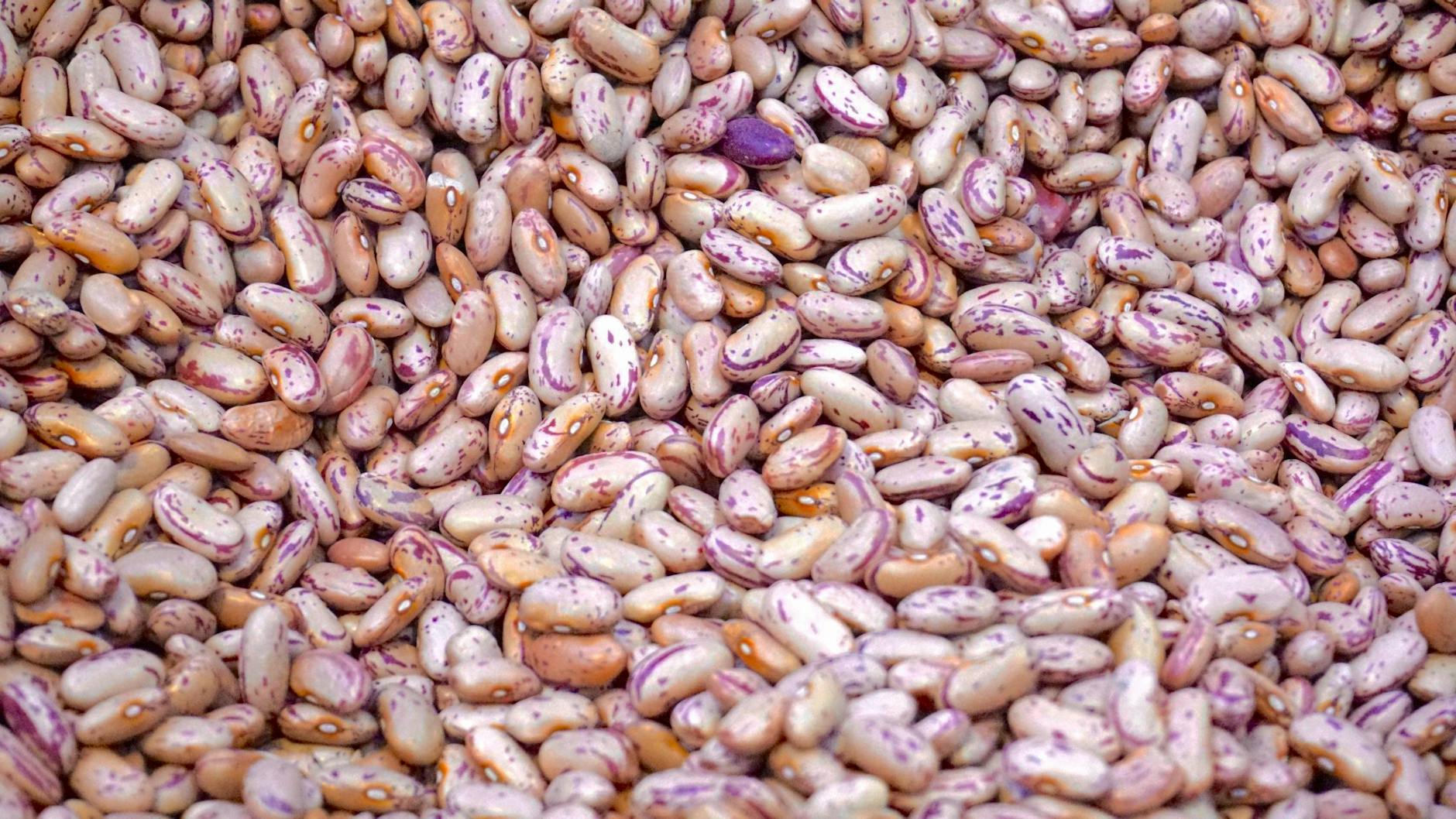
Keep it simple.
Trouble in Paradise 2024 (it’s Weight Gain Season again)
I’ve been posting this chart for several years around the Holiday Season. The source has been attributed to the New England Journal of Medicine. but I could never find the original source article.

Obesity prevalence among older Americans has increased at an alarming rate. In a single generation—between 1988-1994 and 2015-2018—the share of U.S. adults ages 65 and older with obesity nearly doubled, increasing from 22% to 40%.13 – Fact Sheet: Aging in the United States https://www.prb.org/resources/fact-sheet-aging-in-the-united-states/
At the beginning of every month I record my weight in my personal journal. I started November at 176.2. I managed to survive two birthdays, one homemade Eddie’s Carrot Sheet Cake, a few cupcakes, and the recurring annual threat of Halloween candy. Two more months to go.
My doctor says I worry too much about gaining weight. But she’s a hell of lot younger so what does she really know about my aging metabolism?

Remember this from two years ago? Well the bakers showed up again this Thanksgiving.

It was so good we did it again.
This year’s Thanksgiving was wonderful and memorable in a number of ways. The first blessing of the season was I didn’t have to drive. Let’s just say The Boss wouldn’t let me drive.

The next blessing was spending time with relatives we had not seen in several years. We shared stories, made fun of one another and had a great time. Thanksgiving was different this year; neither of our kids and their families were with us. So we had to borrow a Tiny Human for the occasion.

One Tiny Human, a lot more aunts, uncles, parents and grandparents.
The best blessing was I managed to gain just two pounds from this year’s Thanksgiving food binge.
Happy Thanksgiving to all. Stay well. Stay slim.
The Benefits of Mushrooms
Mushrooms are having their 15 minutes of fame. Here’s the article link
I’m having a mushroom morning. See https://lifeunderwriter.net/2024/10/19/youre-gonna-see-god/
Eat the Rainbow (except for this stuff)
Re-posted without the usual snarky comment.
The Last Bag of Organic Frozen Peas I Bought Will Be The Last Bag of Organic Frozen Peas I’ll Ever Buy
The false dichotomy between conventional and organic isn’t just misleading, it’s dangerous. Our constant attention on natural versus synthetic only causes fear and distrust, when in actuality, our food has never been safer.
Eating fewer fruits and vegetables due to fear of pesticides or the high price of organic food does far more harm to our health. Conventional produce has the same nutritional content and is as safe to consume as ‘organic’ produce. Most of Americans already don’t eat enough fruits and vegetables, and produce contains important nutrients, fiber, and other substances that are extremely important to our health.
From a scientific point of view, organic foods are not superior. If you want to spend more money on them, go for it. But don’t buy organic because you think it’s better for you or for the planet, because it’s not. Organic foods are not healthier…or pesticide free. — https://news.immunologic.org/p/organic-foods-are-not-healthieror
I’m beginning to think I read too much. But every now and then I come across very interesting and useful information. The entire article is about a 10-15 read and is worth your time.
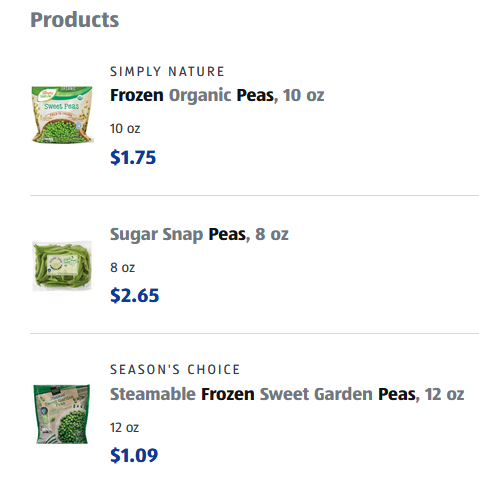
The amount of product labeled Organic in my freezer and pantry are minimal compared to everything else. But if the quality isn’t better or the nutritional value isn’t superior then my choice is to save money at the store whenever I can.
Nutritional quality of organic foods: a systematic review – https://ajcn.nutrition.org/article/S0002-9165(23)26563-6/fulltext
 garyskitchen.net