The participants were followed for an average of 4.7 years and the study found that there was a reduced risk of CVD events for individuals consuming alcohol of 51-100, 101-150, and >150 g/week, compared to never consuming alcohol, regardless of gender. Consumption of 51-100 g/week was also associated with a reduced risk of all-cause mortality. Lead author, Dr Neumann, says the findings need to be interpreted with caution, as study participants were all initially healthy without prior CVD or other severe diseases, and may have been more physically and socially active than the wider ageing population.
Monash University. “Study of 18000+ US and Australian older people reveals moderate drinking protective against heart disease, more than for tea totalers: Moderate drinking of alcohol associated with reduced risk of heart disease and death from all causes, landmark study of older people reveals.” ScienceDaily. http://www.sciencedaily.com/releases/2021/11/211105103740.htm (accessed November 9, 2021).
I bet I’m not the only one calculating ounces to grams after reading the article.
“Keep a diary or journal. Record your reflections on your life experience in a journal. You will find this simple practice to be invaluable in your quest for wisdom.”
Warren Bennis (March 8, 1925 – July 31, 2014) was the distinguished professor of business administration and founding chairman of the Leadership Institute at the University of Southern California’s Marshall School of Business. He has advised several U.S. presidents and more than 150 CEOs. Bennis is author or coauthor of more than 20 books on leadership, change, and management.
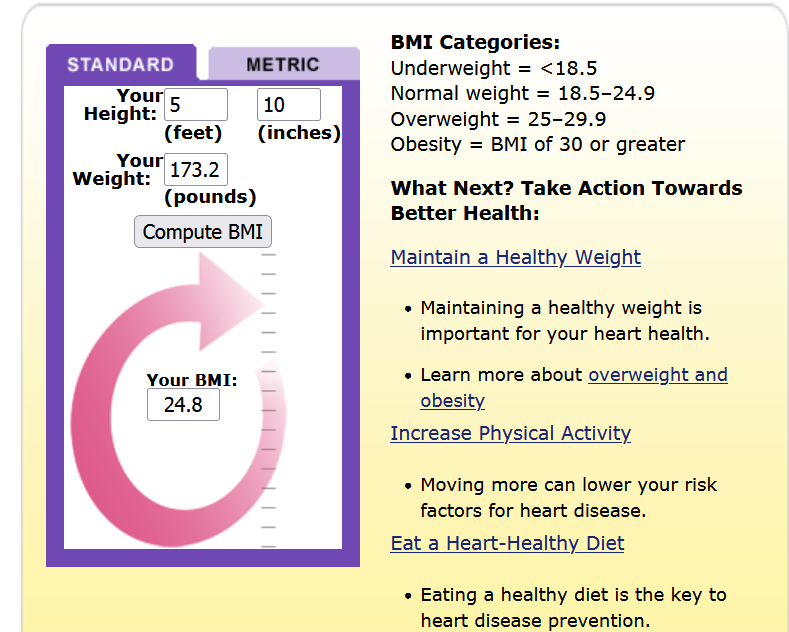
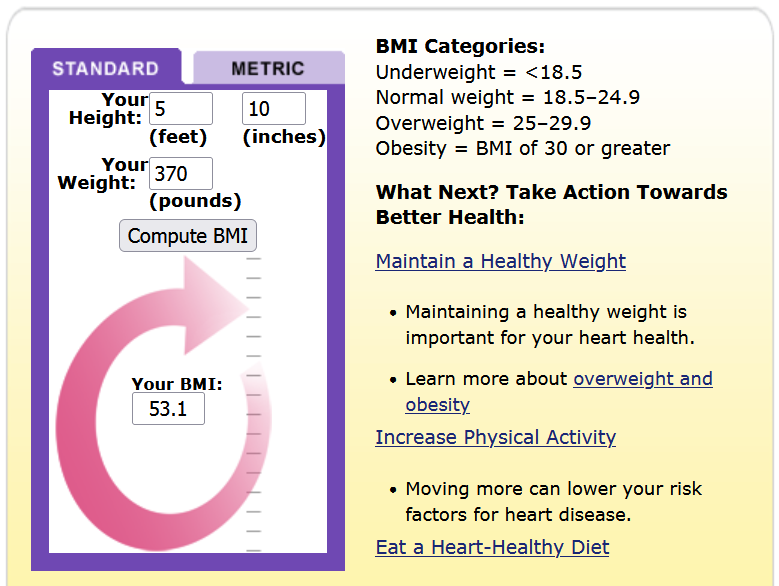
The spirit of the writer is different from the spirits of other artists. Writers are quirkier. Maybe not as quirky as painters or the artist who builds things out of toothpicks. These artists qualify as top of the heap quirky. The spirit of the writer who has lost 200 pounds and kept (most of it) off for nearly 50 years also qualifies for top of the heap quirky. The Digital Truth Machine display showed 176 one week ago. So I went to my journal searching for the raw truth. Well, I found things like “the weather got hot back home in Oklahoma and there’s nothing like a really cold beer on a hot day…” Trouble in Paradise.
I didn’t realize just how many bad habits I allowed back into my life. My own words should have been enough to make me stop and change. But knowing what to do and actually doing it are two different things… Before our Colorado trip I was 168.
7/18 Last night M&M’s and some chocolate drizzled popcorn. I woke up this morning tipping the scale at 170. I’m not sure how much longer I can cheat like this and not gain any weight but I’m sure enjoying whatever time I have before I need to start restricting certain foods and drinks.
8/19 Well maybe I need to hit the panic button. Last night I snacked, drank beer and managed to stay clear of ice cream. Surprisingly I am lighter this morning and I feel fairly thin despite my lack of willpower. After a year of stringent measures I lack the discipline to avoid beer. Again, if it’s not in the house it’s much easier to avoid consumption. Lesson learned, over and over again.
8/22 It’s been nearly three months since our Colorado vacation where I abandoned all self-discipline and started drinking beer again. I managed to put on three pounds last month while boasting that my weight hadn’t changed a month ago. I’m not close to hitting the panic button but we all know why I’m gaining weight.
8/23 I put on four pounds in less than a week.
On 9/11 I hit The Panic Button.
Let’s count how many Gary’s Rules for Weight Loss got ignored. Eat only when hungry. Portion control. Snack but not too much and only healthier foods. Beer, sugary and other things you shouldn’t have in the house got into the house. My journal and fading memory produced the following list of what I did to myself: dairy whole milk, full fat yogurt, beer, wine, Cheez-Its, peach cobbler, potato chips, beer, granola bars, M&M’s, cookies, cakes, brownies, beer, AND a half gallon of ice cream that was purchased for a Tiny Human visit that ultimately got consumed by the Big Human. I had stopped keeping a food journal. There might have been other food and drink that I’ve forgotten about.
Welcome to my world. I need to ensure the new suit I just bought for a wedding in November won’t require alterations.
Monday I restarted a food diary. The recollection of my indiscipline over the past several months plus a recent online article on this topic reminded me of the effectiveness of writing down what you eat especially if you want to lose weight or maintain what was lost. Put simply I’ve been bad. Time once again to get better at what I need to do. Two months ago I wrote “I’m not sure how much longer I can cheat like this and not gain any weight but I’m sure enjoying whatever time I have before I need to start restricting certain foods and drinks”.
The scale read 176 a few days ago.
I hit The Panic Button.
At the present I am walking a tightrope between normal and overweight.
The struggle continues. But sometimes I plug in the old numbers to remind myself of the old me.
“Regularly eating walnuts will lower your LDL cholesterol and improve the quality of LDL particles, rendering them less prone to enter the arterial wall and build up atherosclerosis, and this will occur without unwanted weight gain in spite of the high-fat — healthy vegetable fat, though — content of walnuts,” Emilio Ros, MD, PhD, senior author of the Walnuts and Healthy Aging (WAHA) study, said in an interview.
WAHA is a parallel-group, randomized, controlled trial that followed 636 patients over 2 years at centers in Loma Linda, Calif., and Barcelona. They were randomly assigned to either a walnut-free or walnut-supplemented diet, and every 2 months they were underwent nuclear magnetic resonance spectroscopy and recorded their compliance, toleration, medication changes, and body weight.
The collaborating research teams found that a high-fat diet causes inflammation and damages intestinal epithelial cells in animal models. The high-fat diet impairs the function of energy-generating mitochondria, Byndloss explained, causing the intestinal cells to produce more oxygen and nitrate.
These factors, in turn, stimulate the growth of harmful Enterobacteriaceae microbes, such as E. coli, and boost bacterial production of a metabolite called TMA (trimethylamine). The liver converts TMA to TMAO (trimethylamine-N-oxide), which has been implicated in promoting atherosclerosis and increasing the relative risk for all-cause mortality in patients.
Q.I’m trying to add more probiotics into my diet. Is cheese a good source?
A. Probiotics, good bacteria that can contribute to gut and overall health, can be found in some types of cheese as well as in dietary supplements, fermented foods, and yogurt. Typically, probiotics are in cheeses that have been aged but not heated afterward. This includes both soft and hard cheeses, including Swiss, provolone, Gouda, cheddar, Edam, Gruyère, and cottage cheese.
Lifelong learning. The end of formal schooling should not be the end of your education. I keep my brain active by trying to be less stupid each and every day. Who knew some cheeses are good sources of good bacteria?
Since the beginning of the pandemic I’ve been eating more cheese. I became a lot less worried about the saturated fat and more focused on the nutritional benefits. Now I have another reason to eat more feta cheese. The next taco meal will be Crispy Black Bean Tacos with Feta and Cabbage Slaw – (NOT) Bon Appétit.
I’ve spent some time at the request of a reader to list the top fermented foods for gut health. Many websites have very similar lists. If you’re interested in learning more about what some of these foods are the Healthline article 8 Fermented Foods and Drinks to Boost Digestion and Health is a decent source. https://www.healthline.com/nutrition/8-fermented-foods
Although I think I can get Bánh cuốn at the Vietnamese grocery store.
The take home lesson is simple. Find a few fermented foods you enjoy eating and eat them often. Beet Kvass? No thanks. I’ll stick with yogurt, pickles, and sauerkraut.
Over the 10-week randomised dietary intervention, the high-fibre diet increased levels of microbiome-encoded glycan-degrading carbohydrate active enzymes (CAZymes) without altering the intestinal flora, whereas the high-fermented-food diet incrementally increased microbiota diversity while decreasing inflammatory markers.
Had a blast in interview w/ Simon Hill of @Plant_proof podcast fame discussing Low-Fat vs Low-Carb in context of our @StanfordMed#ATOZ & #DIETFITS studies
We discussed broad agreement on: ⬆️veggies, whole foods ⬇️ added sugars, refined grains, ultraprocessed pic.twitter.com/Uf29gMXrbK
One study focused on almost 9,000 breast cancer survivors and asked the women about their diet every four years after their diagnosis. Over the follow-up period, averaging 11.5 years, women who ate more fruits and vegetables and women who ate more vegetables had a lower risk of dying from any cause than did women with lower intakes of these foods. Women with the highest intakes of vegetables and fruits averaged 7.4 servings per day; those with the lowest intake averaged 2.2 servings per day.
Farvid MS, Holmes MD, Chen WY, et al. Postdiagnostic fruit and vegetable consumption and breast cancer survival: prospective analyses in the Nurses’ Health Studies. Cancer Res. 2020;80(22):5134-5143.
Total fruit and vegetable intake was associated with a reduced risk of frailty with those averaging seven or more servings of fruits and vegetables daily having a lower risk than those averaging fewer than three servings a day. Leafy green vegetables, yellow and orange vegetables, and apples and pears were specific fruits and vegetables associated with a lower risk.
Fung TT, Struijk EA, Rodriguez-Artalejo F, Willett WC, Lopez-Garcia E. Fruit and vegetable intake and risk of frailty in women 60 years old or older. Am J Clin Nutr. 2020 [published online ahead of print].
The quotes above are just two of the studies profiled in the Vegetarian Journal’s most recent scientific update. Unfortunately the citations are not links to the original studies. Here is the link to the full Vegetarian Journal Scientific Update: