Adults who stay well-hydrated appear to be healthier, develop fewer chronic conditions, such as heart and lung disease, and live longer than those who may not get sufficient fluids, according to a National Institutes of Health study published in eBioMedicine. Using health data gathered from 11,255 adults over a 30-year period, researchers analyzed links between […]
New Year’s Day 2023 (observed). I know I’m not the only one who thinks having two New Year’s Days is strange, but I’m not complaining. Our last to leave house guests from Paraguay departed around 9:00 am, I’ve run and unloaded the dishwasher, and have done 3 or 4 loads of laundry. It’s good to have a full day to recover.
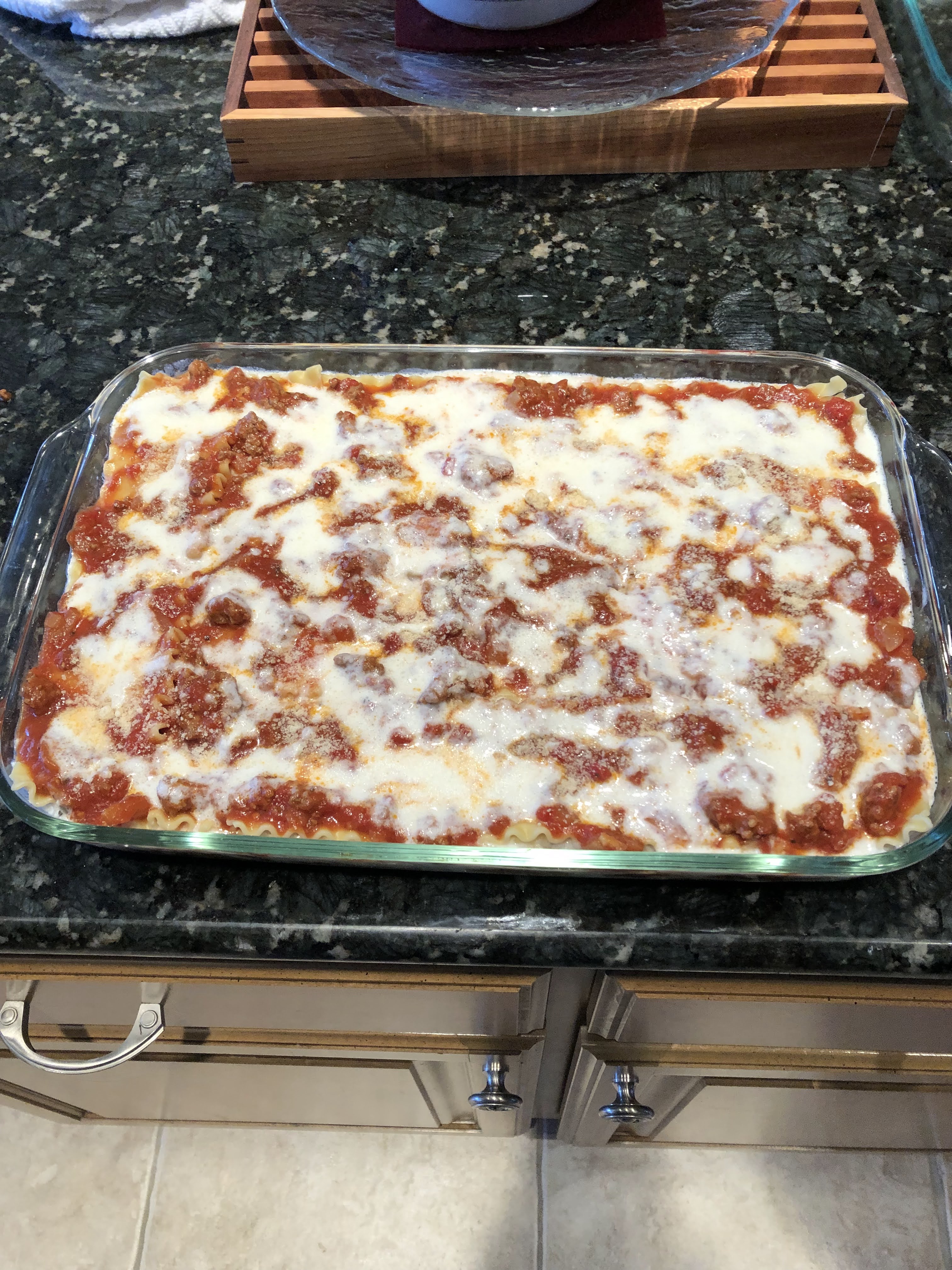
The Invasion began Saturday afternoon. In total we had 9 Bigs and 5 Tiny Humans in the house. “We” were anxious to know if the house was clean enough and if there would be enough food to feed the small army. The division of labor was as it always was. The Boss baked many things. I handled the apps and mains. Anyone who knows anything about me knows I love to cook.
The Tiny Ones played well together. Note the lengthy Brio train track.
Strategy Interlude
If you feed 9 Bigs and 5 Tiny Humans what I’ve described on Day One then a simple lunch is all you’ll need for Day Two. A couple of pounds of cold cuts, cheeses, rolls and breads for make your own sandwiches worked well. But since it was New Year’s Day Badass Black Eyed Peas – 2021 were also served.
Sunday night we served breaded chicken cutlets, pasta with butter, olive oil and garlic, and green beans. Brownies and ice cream to top off the meal was offered and not refused. The high point of the weekend was the Tiny One pictured above who discovered fried chicken is better than life itself.
When New Year’s Day arrived all that was needed for breakfast was leftovers.
Dinner was leftovers too.
On New Year’s Day we were still eating leftovers.
On New Year’s Day (observed) the turkey and cheeses were finished into some grilled sandwiches while the ham ended up in a Mayocabo Bean and Ham pot of beans for dinner the day after.
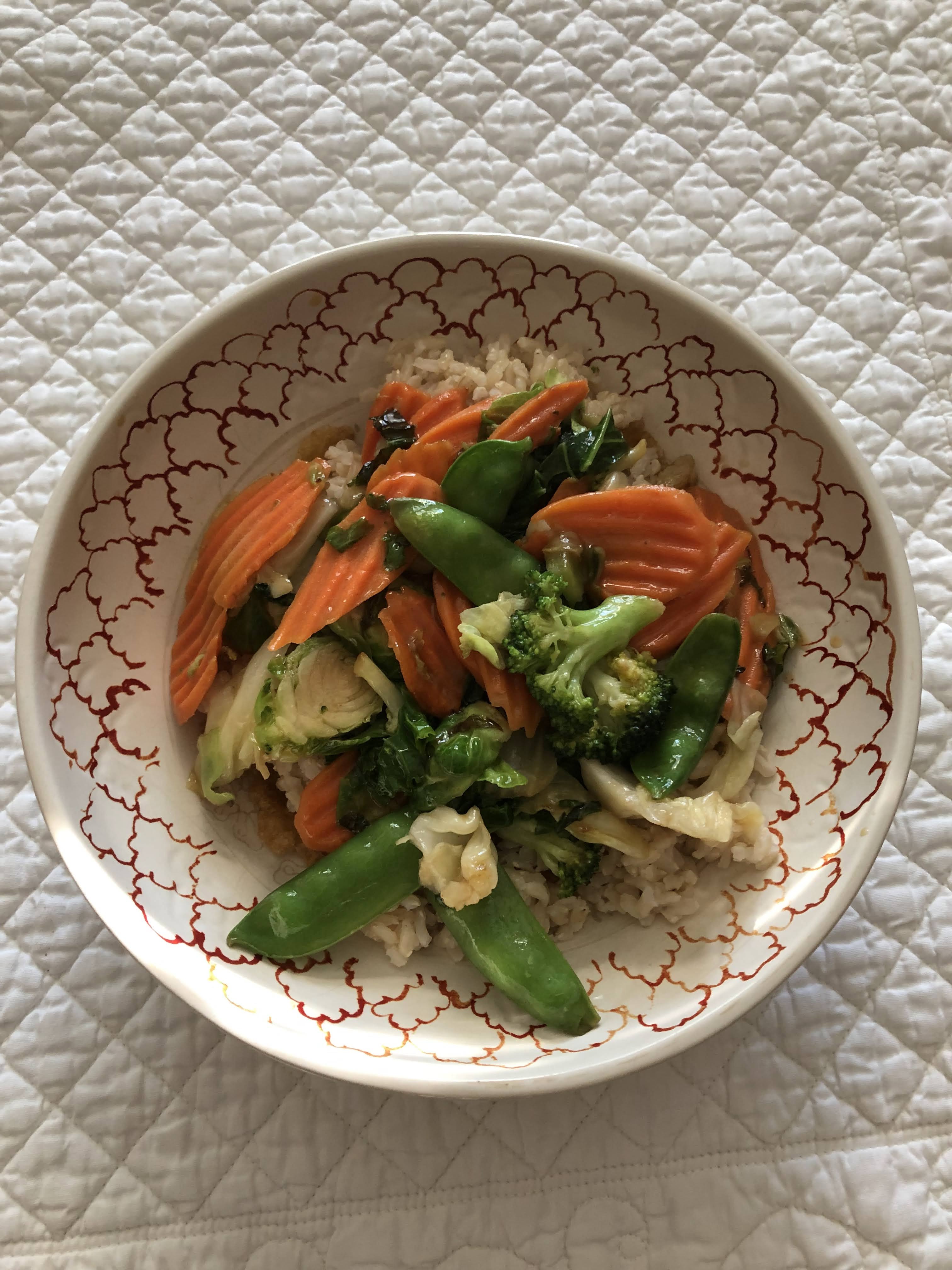
And yet another post/link in my extremely sporadic electronic sticky note series. The quick veggie olive oil and garlic pasta dish I make has reached “in a rut” status. 2023 will the year where I develop the ability and experience to make more than one vegetarian pasta dish.
Life puts hurdles in front of you: ice cream, home baked cookies, gift packages of divine seasonal sugary treats from well-meaning friends. Even if you work from home the seasonal threats are abundant.
The results in this study highlight the nutritional limitations in terms of iron and zinc bioavailability of shifting from a diet containing animal protein from meat to a diet based on meat substitutes. This study shows difficulties obtaining essential minerals from a diet in which meat has been replaced with products based on legume or cereal proteins, which might lead to an increase in iron deficiency, especially among vulnerable groups. Our results call for a sharpening on the interpretation of nutrition claims, especially for iron, which would create incentive for producers to improve their products with regard to iron bioavailability.
Vitamin B6 (pyridoxine) is in lots of multivitamin and mineral supplements that can be bought in supermarkets, health food shops and pharmacies without a prescription. Many people are not aware that vitamin B6 can cause peripheral neuropathy, which results in tingling, burning or numbness usually in the hands and feet. Taking vitamin B6 even at low doses can cause peripheral neuropathy but people are more likely to get it if they are taking more than one supplement.
Peripheral neuropathy can occur at doses of vitamin B6 less than 50 mg and when people are taking multiple products containing vitamin B6. The risk appears to vary between people – no minimum dose, length of use or underlying risk factors were identified.
This past Holiday season was the roughest in recent memory. I ate everything in sight. I binged on bagels every day for nearly a week. The cookies, cakes, and pies found their way into my mouth. The sheer quantity of food was my downfall. I put on the pounds and topped the scale at 202 pounds. Time to get back to my normal routine. I’m getting back to my usual habit of eating only when hungry. Avoid sweets. Shrink portions.
Journal entry 10 Years Ago
I was searching my journal on a different topic and found something I wrote 10 years ago. Back then despite eating healthy foods I continued to struggle with my weight. It was the Holiday season. I binged. Then I binged some more. Thankfully I’ve learned a lot since then like how diets really work. Source: Dr. Anthony Pearson.
In my last post Trouble in Paradise (it’s Weight Gain Season) I posted this picture of our dessert board on Turkey Day. It’s how I gained three pounds in three days. The cheese and crackers didn’t help. Nor did #10 twice.
Update and Threat Assessment
The three pounds gained were lost but it took two weeks.
I removed the beer from the house which was purchased for entertaining company.
Yes, I drank the beer.
M&M’s spelled correctly is TROUBLE.
Two pieces of pumpkin pie are in the freezer. This is OK because pumpkin is a vegetable (botanically a fruit so still OK).
Ice cream, normally not in the house but it is and calls my name every night.
COOKIES.
The Boss came back from a cookie exchange with the neighbors with several dozen dangerous tiny bites.
“Competition puts hurdles in front of you that you have to clear.”
OKC Thunder coach Mark Daigneault
Life puts hurdles in front of you that you have to clear. Like Thanksgiving. TGTIO (Thank God Thanksgiving is Over). We were out of town for only three days. I gained three pounds. I’m not good at math but I think this equates to one pound per day. YIKES. There’s 35 days until the first day of the New Year. At this pace I’ll weigh 208 pounds…
But I am not alone. This chart is attributed to the New England Journal of Medicine but I could never find the original source article.
As the years pass I get better at understanding why I put the pounds on. This was our dessert board on Turkey Day.
I can’t get Tex-Mex in Oklahoma. So when in Texas I need Tex-Mex. At one of my favorite Tex-Mex stops I discovered a new favorite, the #10.
The numbers above are calories, fat calories, and fat in grams. 2950 mg of sodium too (the original chart has more nutrition information).
We ate Tex-Mex Wednesday and Friday, the perfect bookends to Thanksgiving.
I had #10 twice.
Take Home Lesson
Salt, sugar, fat and excess calories. Taking and/or keeping the weight off is simple when you reduce intake of these four items.
Restaurant meals will kill you. Literally.
There is absolutely nothing wrong with every now and then so long as it’s every now and then.
My skinny jeans fit fine. I’ll get back to my usual routine and diet and the three pounds should come off and I’m good until the next hurdle. Until then I’ll wear my black t-shirts because dark colors make you look thinner.























 garyskitchen.net