
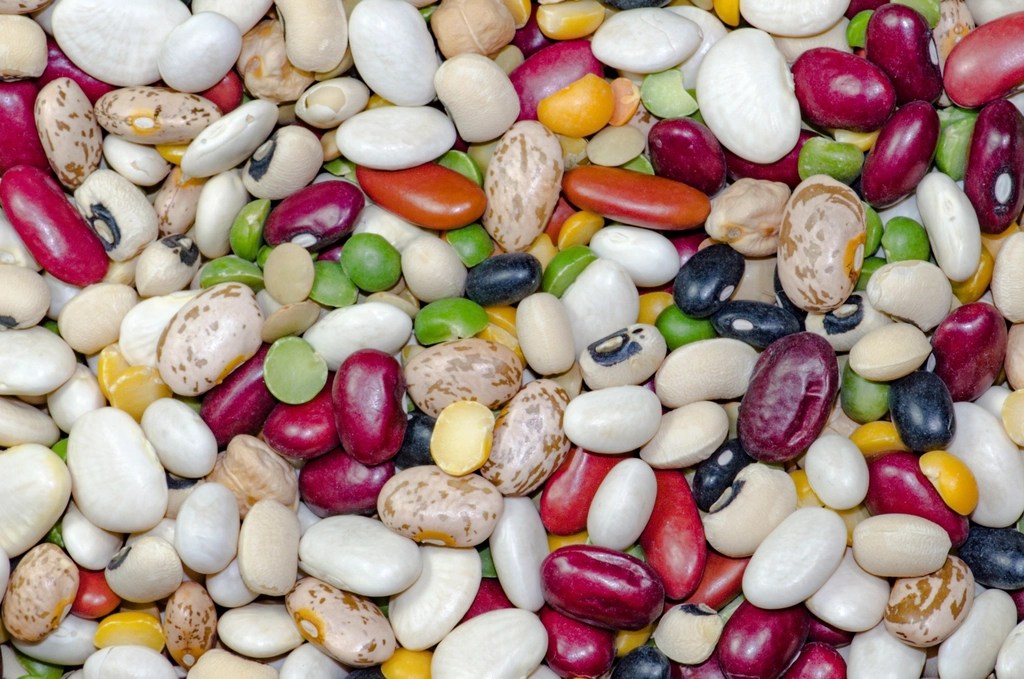
Thinking about making black eyed peas for good luck? Me too. As 2025 comes to a close I once again searched my blog for the number of Badass versions I have.
Black Eyed Peas – Pandemic Version 2021
Vegetarian Badass Black Eyed Peas – 2022
(don’t ask what happened in 2023)
and 2024 Badass Black Eyed Peas
The beans needs to simmer for several hours. Give the beans an overnight soak in filtered water and change the water several times. Drain. Everyone in the pool. I don’t cook the beans separately for this dish.
1 T extra virgin olive oil
1 medium sweet onion, diced
1 stalk celery, diced
1 large green pepper, diced
3 cloves garlic, minced
1 tsp each smoked paprika, chili powder
1 T Mexican oregano
1 T cumin
1/2 cup white wine
1 qt low sodium chicken broth
2 T tomato paste and one 15 ounce can stewed tomatoes
1/2 lb black eyed peas (dried, see soaking instructions)
1 lb ground turkey
Salt & pepper to taste
Cayenne pepper to taste
- Place the dried beans into a stock pot large enough to hold the beans when fully plumped up. Rinse the beans with water several times. Fill the pot with fresh water and soak overnight.
- In the morning drain then add fresh water to the beans. Change the soaking water at least twice. Drain the beans again and set aside. Take the pot to the stove.
- Olive oil medium heat. Saute the onion, celery, and green pepper until softened about five minutes. Add the garlic and saute another minute.
- Add the turkey and brown, breaking up the clumps as you go.
- Add about 1/2 cup white wine. Simmer for a few minutes.
- Toss everything else into the pool. Spices, tomato paste, broth, and beans.
- The black eyed peas (drained) with all ingredients needs enough chicken broth to barely cover everything. You may need more or less broth than one quart.
- Bring to a boil then simmer for several hours with the pot partially covered.
- Check the pot and stir occasionally. Add more broth as the peas cook and the dish thickens.
- Serve with grated cheese, sour cream, and your favorite hot sauce.
- Yum. Makes about 6-8 servings.
Odd Notes
This dish will taste better on day two. The chicken broth is a substitution for beef broth and results in a lighter dish.
Texas Corn Bread of course.
Happy New Year! I hope this dish brings you much good luck in 2026
Sharp eyes and longtime readers will notice there’s not much of a difference between 2024 and 2025’s Badass recipes.




 garyskitchen.net