How do you stretch your grocery dollars? Shop the sales and shop at different stores. I have three stores in my rotation and my shopping list determines where I shop. I’ve always been a bargain hunter.
Wander the aisles and pay attention to sell by, best by, or expiration dates. Some grocery items are not selling quickly anymore. Other items are languishing on the shelves. I found a jar of organic blueberry fruit spread for $2.41. The other week I bought two one pound packages of ground turkey reduced to $1.00 apiece. $1.00 for a pound of ground meat! The sell by dates were one day after the purchase date and the meat went straight into the freezer. Wander because you never know what items have been deeply discounted.
Stock up when you find it on sale. My favorite brand of popcorn usually costs >$3.00 a bag. I saw this popcorn this morning on sale 3 bags for $5.00. Yeah, I bought three bags.
Speaking of sales, my local wine shop was offering 12% off a half case of wine the other day and 10% off two bottles of American whiskey.
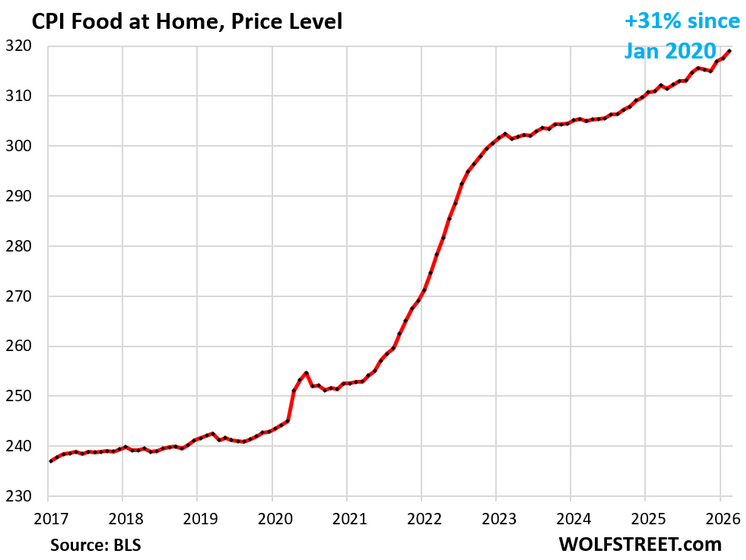
From 2019 to 2023, the all-food Consumer Price Index (CPI) rose by 25.0 percent—a higher increase than the all-items CPI, which grew 19.2 percent over the same period. Food price increases were below the 27.1-percent increase in transportation costs, but they rose faster than housing, medical care, and all other major categories. Food price increases in 2020–21 were largely driven by shifting consumption patterns and supply chain disruptions resulting from the Coronavirus (COVID-19) pandemic. In 2022, food prices increased faster than any year since 1979, partly due to a highly pathogenic avian influenza outbreak that affected egg and poultry prices and the conflict in Ukraine which compounded other economy-wide inflationary pressures such as high energy costs. Food price growth slowed in 2023 as wholesale food prices and these other inflationary factors eased from 2022.https://www.ers.usda.gov/data-products/ag-and-food-statistics-charting-the-essentials/food-prices-and-spending/
I had just turned 65 when my contract was terminated. At the time I was working for a company that outsourced people with my skill set to companies that needed people with my skill set. I was fairly confident I would be placed with another client. During the call where I was told about the contract ending my boss asked,
“Are you going to retire or do you want to keep working?”
I was in reasonably good health and enjoying my job so I said I wanted to keep working. If my reasonably good health held up along with a willing employer I hoped to work until age 70 and defer collecting social security to achieve my maximum monthly retirement benefit. The promised 8% increase to my monthly benefit for each full year I delayed benefits beyond full retirement age was quite attractive. Plus if I expired first you know who would get this higher monthly payout until her expiration.
Well guess who’s turning 70 this year? So far, so good. And in all honesty I never factored inflation into my keep working until 70 strategy. But with most things costing more nowadays I’m twice as glad I made the decision to not retire. Now I’m crafting my work until 75 strategy. It focuses on diet, nutrition, exercise and other lifestyle issues. This is a food blog, after all.
Can you imagine how much you could save each month if you just subtracted your cellphone bill, internet, and cable/streaming subscriptions? Probably enough to cover the grocery bill and then some.
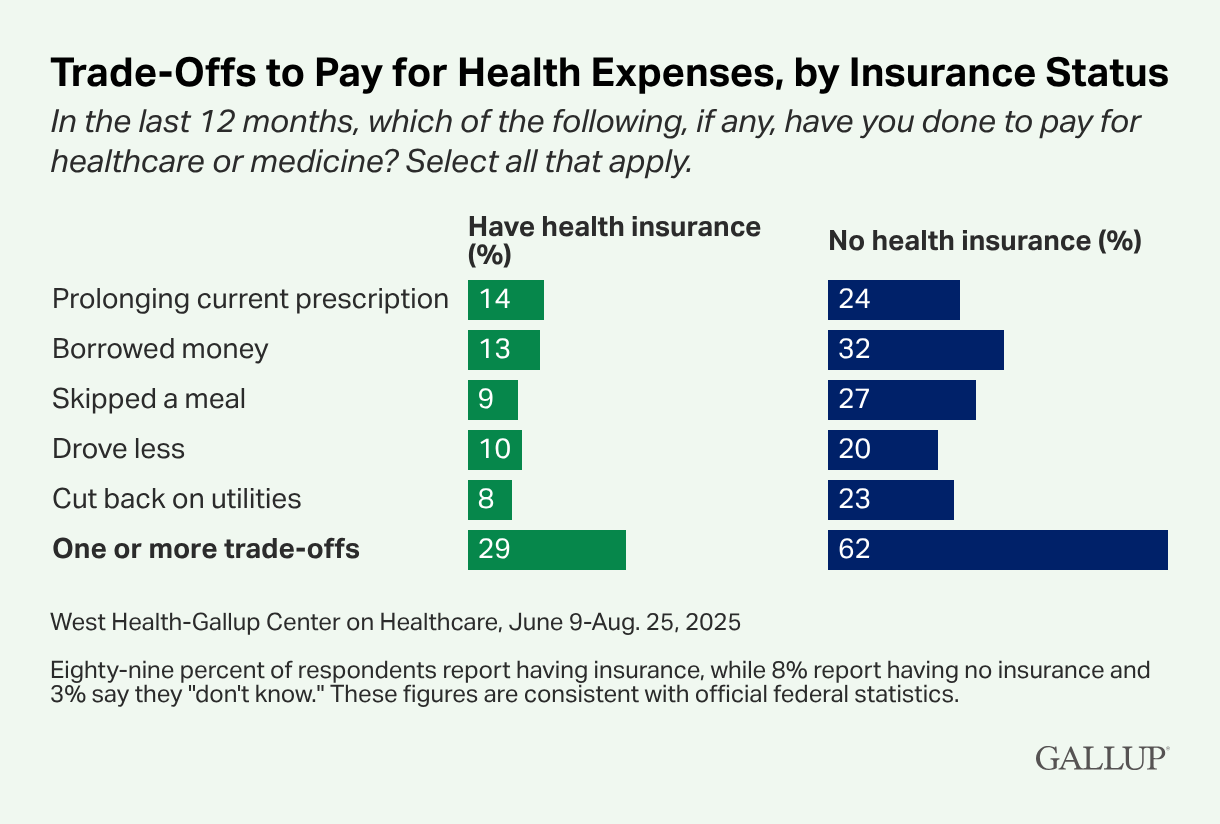
Plus, more young people have student loans than ever before, and everyone pays more for healthcare than in the past. I think this is one of the reasons higher food prices are so painful for so many households. There are so many other budgetary line items these days that an increase in grocery store prices becomes even more painful.
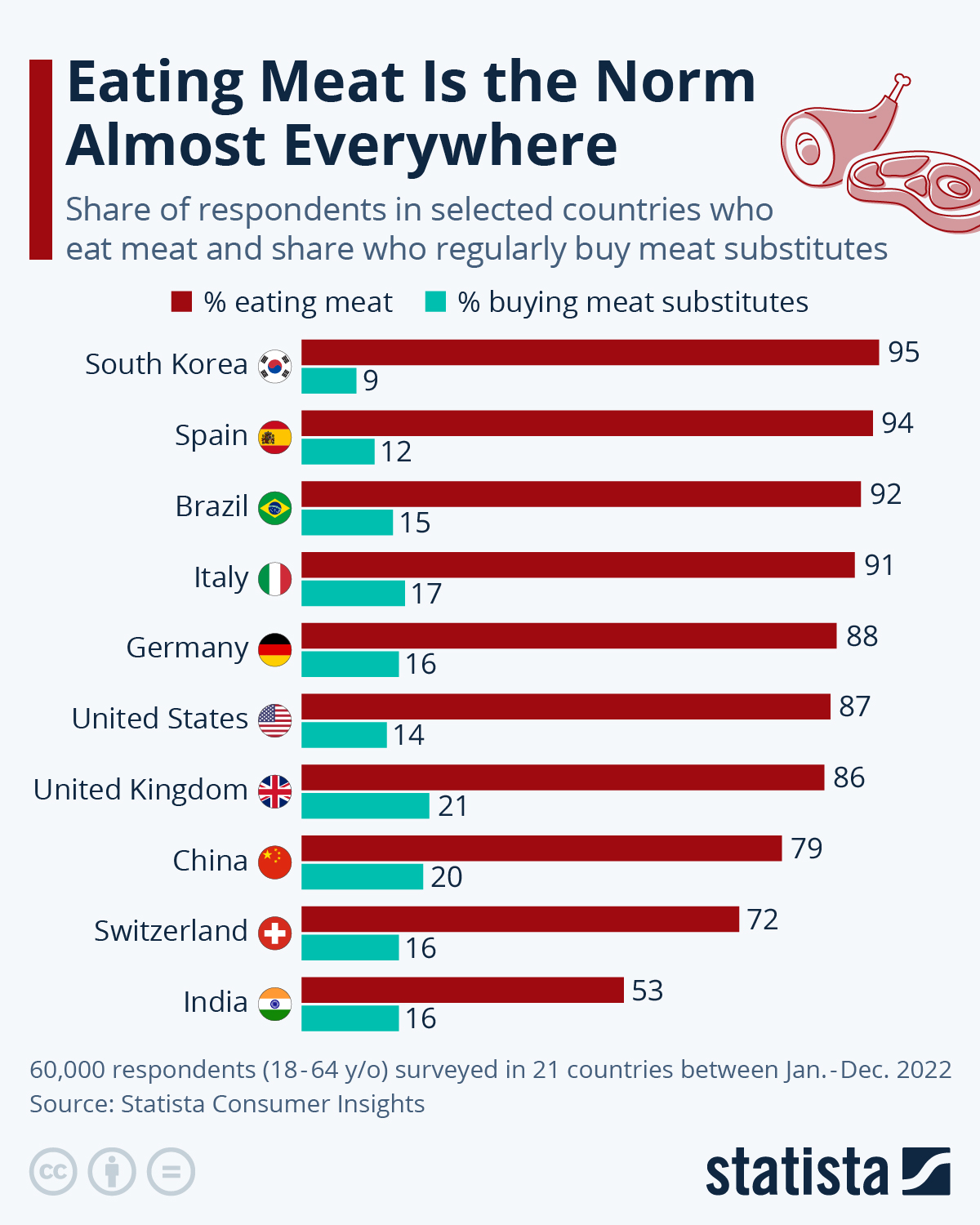
On average, 86 percent of people surveyed for Statista’s Consumer Insights in 21 countries said that their diet contained meat – highlighting that despite the trend around meat substitutes and plant-based products, eating meat remains the norm almost everywhere in the world. To satisfy the world’s hunger for meat, 340 million tons of it were produced globally in 2021. Because meat consumption typically increases as countries grow wealthier, that number has been rising.






 garyskitchen.net