Eat More Beans, Peas and Lentils

The scientific report has some positive recommendations. It recommends that Americans eat more beans, peas, and lentils and eat less red and processed meat. It recommends that Beans, Peas, and Lentils move from a subgroup of the Vegetables Food Group to a subgroup of the Protein Food Group. When listing foods in the Protein Food Group, Beans/Peas/Lentils should be listed first, followed by Nuts/Seeds/Soy products, then Seafood, and lastly Meats/Poultry/Eggs. – 2025 Dietary Guidelines Advisory Committee’s Scientific Report Recommends Eating More Beans, Peas, and Lentils and Eating Less Red and Processed Meathttp://www.vrg.org/blog/2025/01/31/2025-dietary-guidelines-advisory-committees-scientific-report-recommends-eating-more-beans-peas-and-lentils-and-eating-less-red-and-processed-meat/

If you want to geek out on the full report here’s the download link – https://www.dietaryguidelines.gov/2025-advisory-committee-report

U.S. rates of nutrition-related chronic health conditions are high, and data show significant differences in prevalence across socio-demographic groups. For example, the prevalence of obesity is lower among non-Hispanic Asian children compared to all other race and/or ethnicity groups examined, and the prevalence is lower in non-Hispanic White children compared to non-Hispanic Black and Hispanic and/or Latino children. Obesity is significantly lower among children with higher family income compared to those with lower family income. Among adults, the prevalence of obesity is lower among non-Hispanic Asian adults and higher in non-Hispanic Black adults. Prevalence of hypertension is higher in non-Hispanic Black adults than adults of all other race and/or ethnicity groups examined. Diabetes is lower in non-Hispanic White adults compared to all other race and/or ethnicity groups examined, while gestational diabetes is highest among non-Hispanic Asian adults and lowest among non-Hispanic Black adults. Income data show that among adults, the prevalence of obesity, of hypertension, and of diabetes are higher among families with lower incomes compared to higher incomes.

I’ve not read the entire report but judging from what I’ve read so far it is definitely Geek Paradise.

2024 Badass Black Eyed Peas

Photo by Monstera on Pexels.com

Is there anyone else out there besides me waking up on a Saturday morning thinking about making black eyed peas for good luck?   I didn’t think so. When I searched my own blog I was a bit surprised on how many versions of Badass I have.

Badass Black Eyed Peas

Black Eyed Peas – Pandemic Version 2021

and Vegetarian Badass Black Eyed Peas – 2022

I decided to make a no bacon version. Ground chicken because I found a source for good ground chicken at a reasonable price (hint, Aldi).

The beans needs to simmer for several hours. Give the beans an overnight soak in filtered water and change the water several times. Drain. Everyone in the pool.  I don’t cook the beans separately for this dish.

1 T extra virgin olive oil
1 medium sweet onion, diced
1 stalk celery, diced
1 large green pepper, diced
3 cloves garlic, minced
1 tsp each smoked paprika, chili powder
1 T Mexican oregano
1 T cumin
1 qt low sodium chicken broth
2 T tomato paste and one 15 ounce can stewed tomatoes
1/2 lb black eyed peas (dried, see soaking instructions)
1 lb ground chicken
Salt & pepper to taste
Cayenne pepper to taste

  1. Place the dried beans into a stock pot large enough to hold the beans when fully plumped up.  Rinse the beans with water several times.  Fill the pot with fresh water and soak overnight.
  2. In the morning drain then add fresh water to the beans. Change the soaking water at least twice. Drain the beans again and set aside. Take the pot to the stove.
  3. Olive oil medium heat. Saute the onion, celery, and green pepper until softened about five minutes.  Add the garlic and saute another minute.
  4. Add the chicken and brown, breaking up the clumps as you go.
  5. Toss everything else into the pool.  Spices, tomato paste, broth, and beans.
  6. The black eyed peas (drained) with all ingredients needs enough chicken broth to barely cover everything. You may need more or less broth than one quart.
  7. Bring to a boil then simmer for several hours with the pot partially covered.
  8. Check the pot and stir occasionally.  Add more broth as the peas cook and the dish thickens.
  9. Serve with grated cheese, sour cream, and your favorite hot sauce.
  10. Yum.  Makes about 6-8 servings.

Odd Notes

This dish will taste better on day two. The chicken broth is a substitution for beef broth and results in a lighter dish.

The quantity of dried beans is no longer one pound because someone in the family (not me) claimed I put too much beans in my chili. This version has a ratio of beans to meat that hopefully meats her approval. Get it? Meats.

Texas Corn Bread of course.

Happy New Year! I hope this dish brings you much good luck in 2025 (and some tasty leftovers.

Beans for Breakfast – 06.11.24

Lead author Yanni Papanikolaou and colleagues analyzed data from the National Health and Nutrition Examination Survey’s What We Eat in America program to study how often U.S.-based adults consume beans. In their analyses, they focused on how often Americans consumed white and red kidney beans, black beans, chickpeas, and pinto beans. The researchers observed that adults who routinely consumed these beans had improved ratios of polyunsaturated fatty acids, monounsaturated fatty acids, and saturated fatty acids compared to those who did not consume beans. Those who ate beans also consumed 30% more fruits and 20% more vegetables. Higher Intake Of Beans Linked To More Nutritious Diet https://www.forbes.com/sites/anuradhavaranasi/2024/06/11/higher-intake-of-beans-linked-to-more-nutritious-diet/

Remember Research Reveals One Simple Habit That Promotes Longevity AND Provides Extra Income in Retirement.

I’ve expanded my collection of cookbooks in search of more bean recipes.

It’s bean a lot of fun.

How Butter Beans Went From Gross to Glamorous

I was mystified. Butter beans — or lima beans, as I grew up calling them in the Midwest — are the most banal of ingredients, a boring bean relegated to the darkest corner of every home cook’s pantry. Why, then, were food influencers drowning them in luxurious sauces, crisping them up as a crouton substitute, and braising them as if they were a fine cut of meat? What the heck was going on?

Beans, broadly speaking, are having a moment. The dry bean market is expected to grow to $8.7 billion by 2028, while the canned bean industry raked in $5.65 billion in 2023 and is projected to be worth a whopping $15.5 billion by 2033, according to the market research firm Fact.MR.

How Butter Beans Went From Gross to Glamorous — https://www.eater.com/24008145/why-are-butter-beans-so-popular

Beans are cheap and nutritious. More people will be incorporating this staple into their diets because they are unable to afford the more expensive foods.

It’s not the vegan/vegetarian/let’s save the world movement. It’s basic economics.

It’s Struggle Meal Time

Photo by Dayvison de Oliveira Silva on Pexels.com

Rice and beans may be a struggle meal, but there’s a reason so many gravitate to this humble dish. It’s filling, it’s nutritious, and it’s cheap. Given the right preparation and a few seasonings, rice and beans can also be delicious and satisfying. Beans are basic, but also infinitely versatile.

Which Beans Have the Most Protein?https://vegnews.com/2022/8/bean-protein-guide

I’ve known for quite some time that beans are a poor person’s meal. But in all of my years on the planet this is the first time I’ve heard of beans referred to as a struggle meal. Well struggling or not everyone should be eating more beans for the health benefits.

WHAT? Another Website Devoted to Beans?

Yes there is. https://beaninstitute.com/

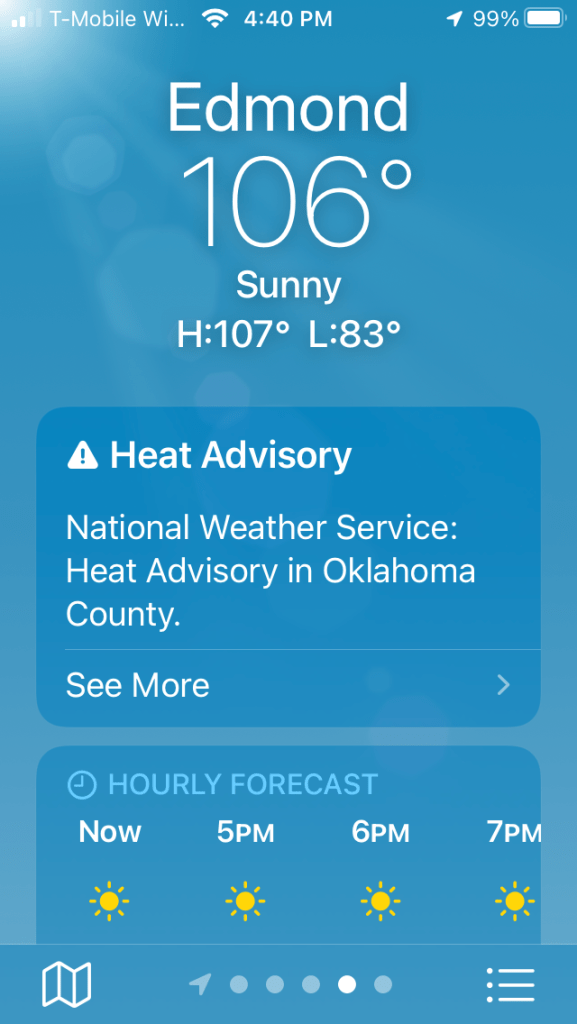
Here is another post in my world famous Beans for Breakfast AND Electronic Sticky Note series. Honestly, I’m just surfing the Internet looking for bean recipes to make when the temperature outside will be 106 degrees F and I don’t want HOT beans. Note for new visitors to this blog:

  • I do eat beans for breakfast on occasion and
  • An electronic sticky note is a Memo to Self with links to websites for recipes to try as I expand my bean recipe repertoire.

WOO HOO!

The other day I discovered 30 Recipes with a Can of Chickpeas at https://feelgoodfoodie.net/chickpeas-recipes/

I also found 15 Nutritious Vegan White Bean Recipes at https://www.thefullhelping.com/15-nutritious-vegan-white-bean-recipes/

Double WOO HOO!

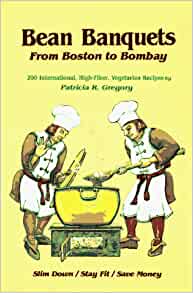
My bean obsession began many years ago during my vegetarian years. I still have this cookbook as proof.

Copyright date is 1984.

In blue zones areas, we found that the longest-lived people eat a full cup of beans every day.

The World’s #1 Longevity Food — https://www.bluezones.com/2016/06/10-things-about-beans/#

Always remember what you don’t eat is as important if not more important to health and longevity than what you eat.

Is There a Website Devoted to Beans?

Yes there is. https://usdrybeans.com/

This is another post in my world famous Beans for Breakfast series.

I post links like this to remind readers no one can possibly teach you everything. There is a ton of information on the internet to research and read to improve your food and nutrition knowledge. But you have to take the time and be motivated to find solid, good information. Avoiding fad diets would be a good thing too.

And for the conspiracy theorists out there feel free to use this information to fight back against the World Economic Forum telling us to eat bugs. https://www.weforum.org/agenda/2018/07/good-grub-why-we-might-be-eating-insects-soon/

Eat beans instead of bugs.

Postscript –

I posted then got this:

WOO HOO!

Beans for Breakfast – 03.18.22

Abstract

Given the emerging health benefits of regular legume consumption, we hypothesized that the historically low legume consumption levels in US adults increased. We evaluated legume consumption patterns in US adults using cross-sectional data from the 2011-2012 and 2013-2014-year cycles of National Health and Nutrition Examination Surveys (NHANES) and a 2017 cross-sectional, online survey of Oregon families named “Beans, Lentils, Peas (BLP) Survey”. We also compared legume consumption patterns between consumers below US dietary recommendations for mature legumes (<37.5 g/day, marginal), below levels showing nutritional and disease-prevention benefits (37.5-87.49 g/day, recommended); and levels demonstrating nutritional and disease prevention benefits (≥87.5 g/day; beneficial). In NHANES, legume consumption remained low in US adults and declined from 2011 to 2014 (mature legumes: 12.8 to 8.3%; dry beans: 10.0 to 6.5%). In BLP, less than 5% consumed legumes daily; approximately one-third did not consume legumes during the last month. Marginal mature-legume consumers ate a limited variety of legumes (dry beans and green legumes on a weekly to monthly basis). Beneficial amount consumers ate mature legumes daily or every other day and included chickpeas, lentils and dry peas to their legume mix. Our data suggest that legume consumption declined in US adults, warranting improved communication about the benefits of regular legume consumption.

Perera T, Russo C, Takata Y, Bobe G. Legume Consumption Patterns in US Adults: National Health and Nutrition Examination Survey (NHANES) 2011-2014 and Beans, Lentils, Peas (BLP) 2017 Survey. Nutrients. 2020 Apr 27;12(5):1237. doi: 10.3390/nu12051237. PMID: 32349355; PMCID: PMC7281997.

Here’s a link to the study https://pubmed.ncbi.nlm.nih.gov/32349355/

My love of beans began when I moved to Texas and discovered fast food bean burritos. I’ve pretty much stopped eating restaurant prepared bean burritos since discovering my favorite local version has nearly 1200 mg of sodium in one burrito.

Too much sodium in my food tends to keep me in my fat jeans.

You can control the amount of salt in home cooked beans. If you are cooking with canned beans try the low sodium versions. Or if you are cooking with the regular canned varieties, rinse and drain several times before adding to your dish. This will cut down on the sodium content. Believe it or not, someone actually did a lab analysis on this:

If you’re watching your sodium intake, we have good news. In each case, draining and rinsing beans lowered the sodium by about 100 milligrams per ½-cup serving—or 20.7 to 26.5 percent.

Does Rinsing Canned Beans Remove Sodium? https://www.cooksillustrated.com/how_tos/11227-does-rinsing-canned-beans-remove-sodium

Beans for Breakfast – 02.13.22

There is reliable research that suggests that older adults need slightly more protein than younger adults do. A somewhat higher protein intake, especially when combined with resistance training can build muscle in older adults. This increased muscle can help to offset the muscle loss that is a part of the aging process. Muscle loss can increase the risk of falls and keep older people from doing the tasks they’d like to do.

Protein for Older Adults
February 03, 2022 The VRG Blog Editor – https://www.vrg.org/blog/2022/02/03/protein-for-older-adults/

I’ve lost those extra stubborn muffin top pounds. A dental procedure has limited my diet to soft foods. Peanut butter and soft whole wheat bread has been my savior the past few days. Cooked smashed beans too.

Breakfast today was cold cereal soaked in soy milk for about 10 minutes. Soggy cereal never tasted better.

I might make some Vegetarian Badass Black Eyed Peas – 2022 to have for the next few days. Filling, nutritious and smashable.

While no one ever said “I love going to the dentist” the silver lining is I’m back in my skinny jeans.

Applesauce anyone?

Another Reason Why Black Eyed Peas are Badass

UCR plant pathologist Gabriel Ortiz wanted to understand whether black eyed peas — a hugely popular food in many parts of the world — maintain their ability to attract good bacteria even after being subjected to modern farming practices. In many cases, plants heavily impacted by humans do not benefit as much from relationships with bacteria compared to their wild relatives. However, Ortiz and his team found that the peas maintained their natural ability to form beneficial relationships with nitrogen-fixing bacteria.

University of California – Riverside. “Black eyed peas could help eliminate need for fertilizer: Popular legume attracts beneficial nitrogen-fixing bacteria.” ScienceDaily. http://www.sciencedaily.com/releases/2022/01/220120091144.htm (accessed January 20, 2022).

Totally Badass.