
Merry Christmas 2024 (I hope you were good)

A food memoir of weight loss, family recipes, and strategies for staying healthy in your 70's and beyond
Excuse me, I have to sit down and write.
I said “almost”.
Why You Need This Thousand-Year-Old Legume in Your Life (Spoiler: It’s Lentils) – https://vegnews.com/why-you-need-to-eat-lentils
And for the faithful, yes this is another Electronic Sticky Note.
https://vinepair.com/booze-news/america-favorite-food-delivery-spots-doordash/

I’ve never had a Boba. I’m not familar with Oklaboba. So of course I had to Google map it.
The restaurant is right next door to the liquor store I shop at regularly.
This is most embarrassing.
MEMO TO SELF – Pay more attention to your surroundings.
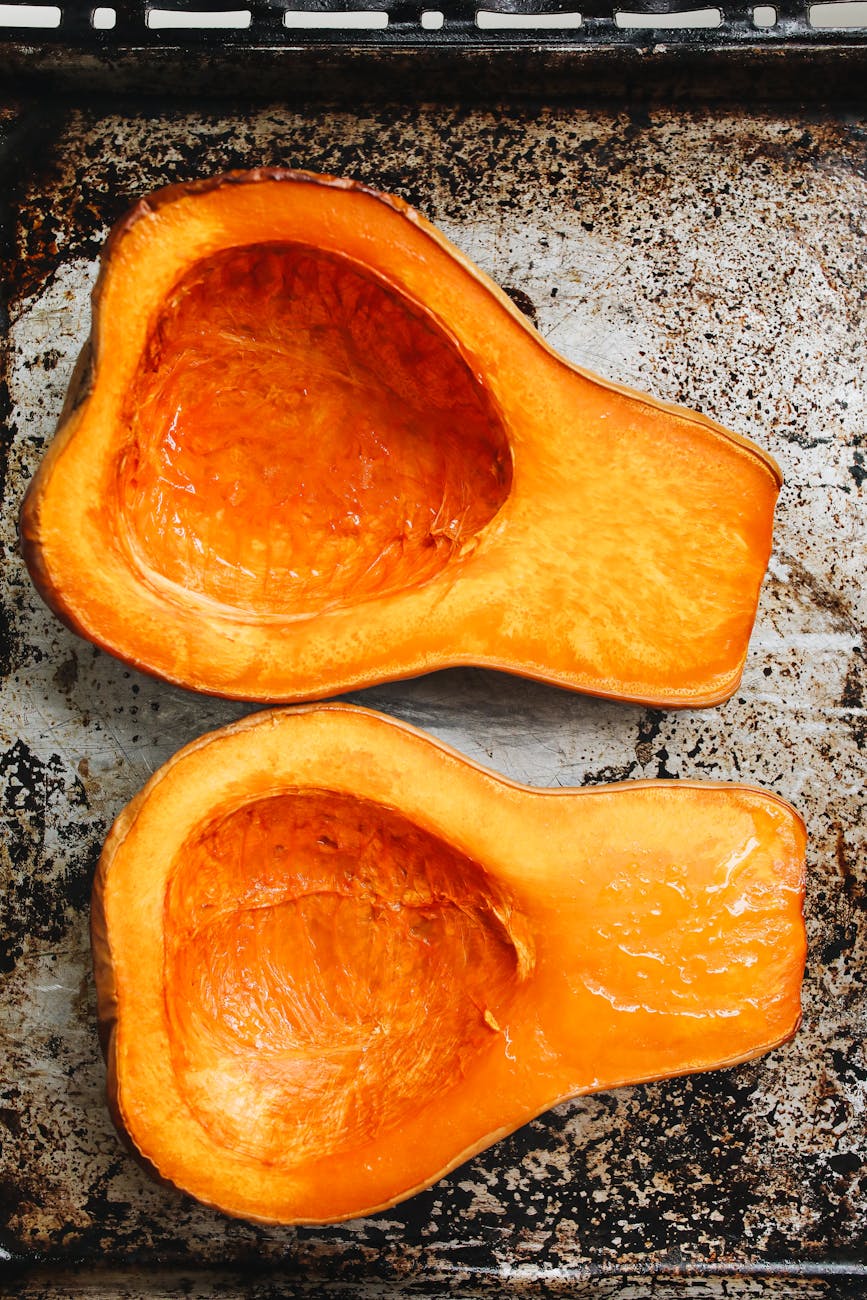
Just another Electronic Sticky Note to remind myself to eat more winter squashes besides my favorite Butternut. The Health Benefits of Winter Squash (Plus, 7 Types to Try) – https://vegnews.com/health-benefits-winter-squash-types-to-try
And as a reminder about my previous Electronic Sticky Note 42 Vegetarian Butternut Squash Recipes- Vegetarian Times to try some different preparations besides a simple roast or Butternut Squash Enchilada Casserole.
Lasagne? I’ve totally forgotten about Butternut Squash and Spinach Lasagne.
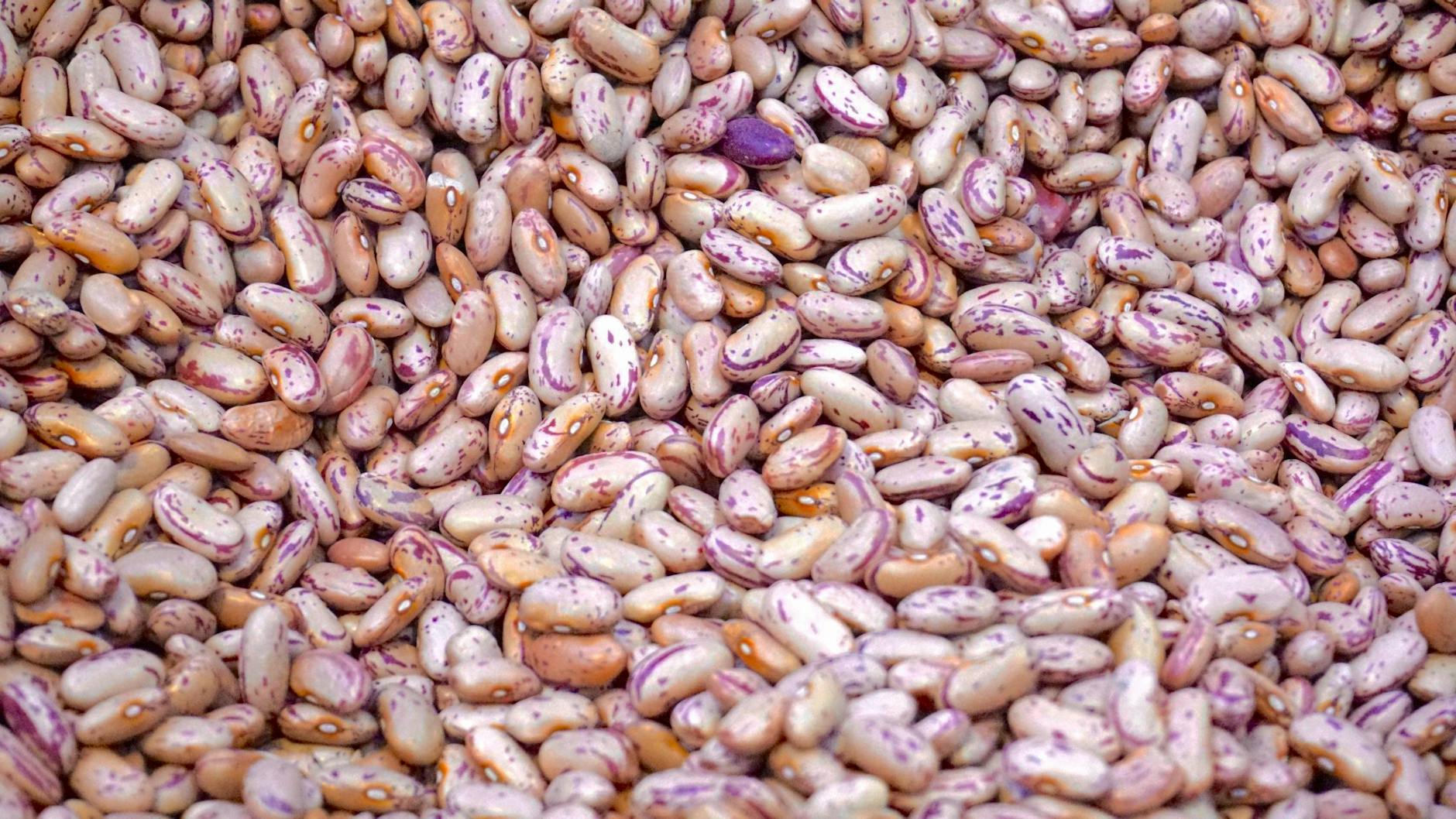
Beans and peas are the best meat and milk replacement from nutritional, health, environmental, and cost perspectives.
Our findings suggest that suitable alternatives to meat and milk exist and are available and affordable without necessarily requiring new technologies or product development. This contrasts with discussions in high-income countries on the needs to develop novel replacement foods, especially those that would completely mimic meat and dairy (18). Our nutritional, health, environmental, and cost analyses suggest that if one is prepared to consider foods for their properties instead of whether they are completely mimicking meat or dairy—and surveys suggest that consumers are (49)—then unprocessed legumes are, for the most part, superior to processed alternatives. This is also relevant for low and middle-income countries where legumes are readily available, but discussions on processed meat and milk alternatives are at an earlier stage, despite diets rapidly becoming similarly imbalanced as in high-income countries (1, 50). M. Springmann, A multicriteria analysis of meat and milk alternatives from nutritional, health, environmental, and cost perspectives, Proc. Natl. Acad. Sci. U.S.A. 121 (50) e2319010121, https://doi.org/10.1073/pnas.2319010121 (2024).

Keep it simple.
4Earth Farms, LLC. Recalls Organic and Conventional Vegetable Medleys and Organic Whole Carrots, Containing Grimmway Farms Carrots, Because of Possible Health Risk – https://www.fda.gov/safety/recalls-market-withdrawals-safety-alerts/4earth-farms-llc-recalls-organic-and-conventional-vegetable-medleys-and-organic-whole-carrots
I’ve been posting this chart for several years around the Holiday Season. The source has been attributed to the New England Journal of Medicine. but I could never find the original source article.

Obesity prevalence among older Americans has increased at an alarming rate. In a single generation—between 1988-1994 and 2015-2018—the share of U.S. adults ages 65 and older with obesity nearly doubled, increasing from 22% to 40%.13 – Fact Sheet: Aging in the United States https://www.prb.org/resources/fact-sheet-aging-in-the-united-states/
At the beginning of every month I record my weight in my personal journal. I started November at 176.2. I managed to survive two birthdays, one homemade Eddie’s Carrot Sheet Cake, a few cupcakes, and the recurring annual threat of Halloween candy. Two more months to go.
My doctor says I worry too much about gaining weight. But she’s a hell of lot younger so what does she really know about my aging metabolism?

Remember this from two years ago? Well the bakers showed up again this Thanksgiving.

It was so good we did it again.
This year’s Thanksgiving was wonderful and memorable in a number of ways. The first blessing of the season was I didn’t have to drive. Let’s just say The Boss wouldn’t let me drive.

The next blessing was spending time with relatives we had not seen in several years. We shared stories, made fun of one another and had a great time. Thanksgiving was different this year; neither of our kids and their families were with us. So we had to borrow a Tiny Human for the occasion.

One Tiny Human, a lot more aunts, uncles, parents and grandparents.
The best blessing was I managed to gain just two pounds from this year’s Thanksgiving food binge.
Happy Thanksgiving to all. Stay well. Stay slim.
A new survey, The Great Expectations survey by Age of Majority, a consultancy specializing in the 55+ market, found that when considering a residential facility, boomers prioritize their tummies. A whopping 71% say food quality is a “very important” factor when deciding on a move to a new community.
Source – Boomers Worry About Moving to Senior Communities for 1 Surprising Reason—but Would Thrive in These 10 Retirement Spots – https://www.realtor.com/news/trends/boomers-senior-communities-the-villages/
Second Source – The link in the quote takes you here – Here’s a surprising reason most boomers are worried about moving to a senior residence – https://www.marketwatch.com/story/why-do-some-boomers-shun-living-in-senior-residences-theydontwant-to-eat-cafeteriafood
One senior community mentioned in the MarketWatch article has entrance fees starting at $285,740 and monthly fees on top of that starting at $3,980. Another senior residence rates start at $12,600 per month for one person in a studio unit.
I have to remind myself this is a food blog.
At these prices you can buy a lot of food and cook it yourself.

Family photo from 2022 with Matteo in the Middle

Matteo Stuffy #1

Matteo Stuffy #2
Matteo Mancuso

