Beans and peas are the best meat and milk replacement from nutritional, health, environmental, and cost perspectives.
Our findings suggest that suitable alternatives to meat and milk exist and are available and affordable without necessarily requiring new technologies or product development. This contrasts with discussions in high-income countries on the needs to develop novel replacement foods, especially those that would completely mimic meat and dairy (18). Our nutritional, health, environmental, and cost analyses suggest that if one is prepared to consider foods for their properties instead of whether they are completely mimicking meat or dairy—and surveys suggest that consumers are (49)—then unprocessed legumes are, for the most part, superior to processed alternatives. This is also relevant for low and middle-income countries where legumes are readily available, but discussions on processed meat and milk alternatives are at an earlier stage, despite diets rapidly becoming similarly imbalanced as in high-income countries (1, 50). M. Springmann, A multicriteria analysis of meat and milk alternatives from nutritional, health, environmental, and cost perspectives, Proc. Natl. Acad. Sci. U.S.A. 121 (50) e2319010121, https://doi.org/10.1073/pnas.2319010121 (2024).
I’ve been posting this chart for several years around the Holiday Season. The source has been attributed to the New England Journal of Medicine. but I could never find the original source article.
Obesity prevalence among older Americans has increased at an alarming rate. In a single generation—between 1988-1994 and 2015-2018—the share of U.S. adults ages 65 and older with obesity nearly doubled, increasing from 22% to 40%.13 – Fact Sheet: Aging in the United Stateshttps://www.prb.org/resources/fact-sheet-aging-in-the-united-states/
At the beginning of every month I record my weight in my personal journal. I started November at 176.2. I managed to survive two birthdays, one homemade Eddie’s Carrot Sheet Cake, a few cupcakes, and the recurring annual threat of Halloween candy. Two more months to go.
My doctor says I worry too much about gaining weight. But she’s a hell of lot younger so what does she really know about my aging metabolism?
Remember this from two years ago? Well the bakers showed up again this Thanksgiving.
It was so good we did it again.
This year’s Thanksgiving was wonderful and memorable in a number of ways. The first blessing of the season was I didn’t have to drive. Let’s just say The Boss wouldn’tlet me drive.
The next blessing was spending time with relatives we had not seen in several years. We shared stories, made fun of one another and had a great time. Thanksgiving was different this year; neither of our kids and their families were with us. So we had to borrow a Tiny Human for the occasion.
One Tiny Human, a lot more aunts, uncles, parents and grandparents.
The best blessing was I managed to gain just two pounds from this year’s Thanksgiving food binge.
Once a fringe movement, it is now firmly mainstream, something that is being reflected by increasing vegan options in restaurants and supermarkets.
Nope. Still a trendy thing on the fringe. Don’t take this the wrong way. I haven’t eaten any meat in several days. But please try to do just a little bit of serious research before jumping to conclusions.
Oh sorry, I forgot this was a food blog. If you’ve read this far, thank you for reading my mini-rant. And to think I started this post thinking about making a new to me chickpea recipe.
Nice article. The last time I checked the link the NYT article was freely available and not sitting behind their paywall.
One key point was not covered in the article. Pizza! Tomato sauce for polyphenols and cheese for healthy fats and calcium. You already know what not to put on your pie to improve the health benefits.
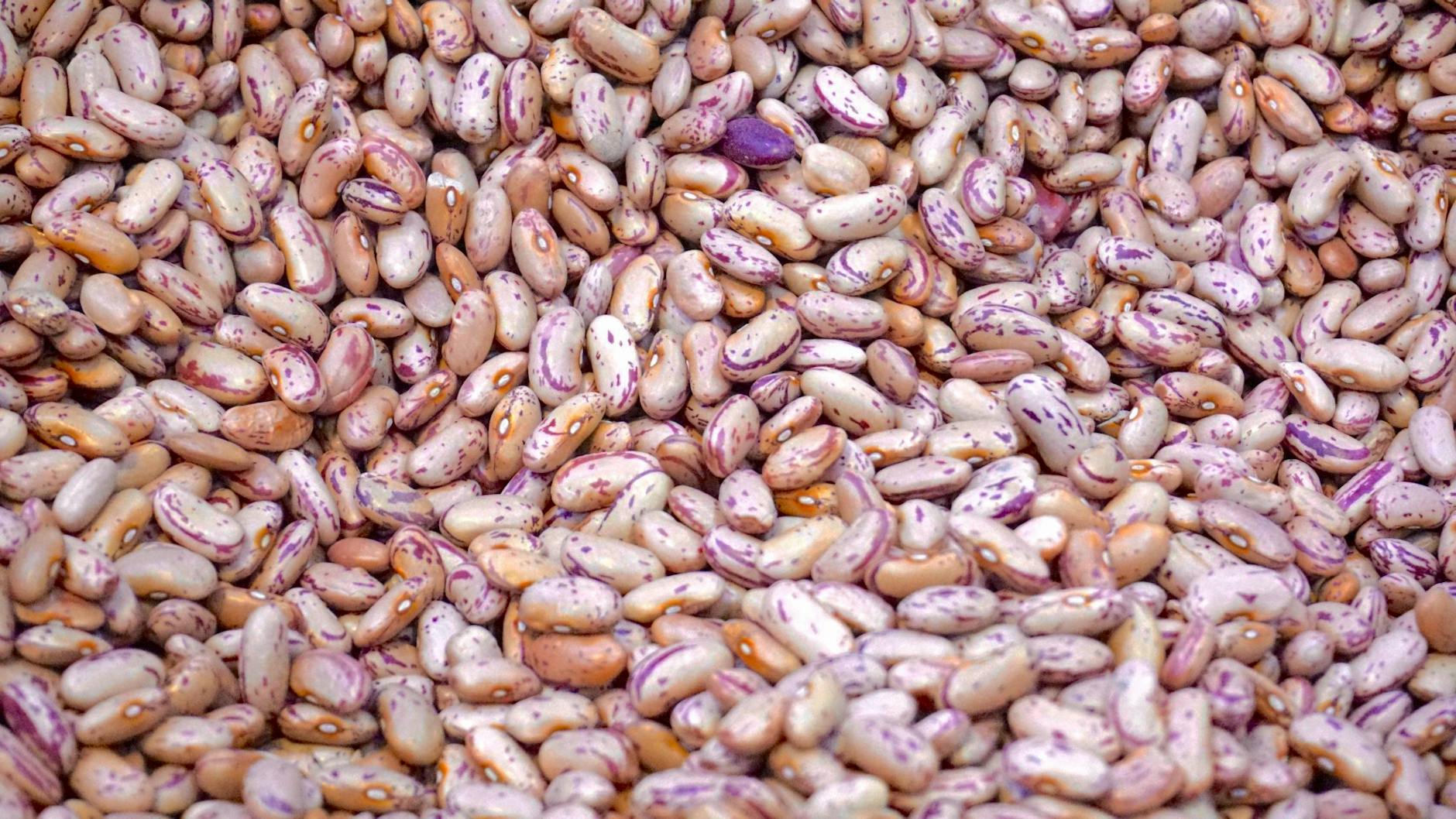
Lead author Yanni Papanikolaou and colleagues analyzed data from the National Health and Nutrition Examination Survey’s What We Eat in America program to study how often U.S.-based adults consume beans. In their analyses, they focused on how often Americans consumed white and red kidney beans, black beans, chickpeas, and pinto beans. The researchers observed that adults who routinely consumed these beans had improved ratios of polyunsaturated fatty acids, monounsaturated fatty acids, and saturated fatty acids compared to those who did not consume beans. Those who ate beans also consumed 30% more fruits and 20% more vegetables. Higher Intake Of Beans Linked To More Nutritious Diet — https://www.forbes.com/sites/anuradhavaranasi/2024/06/11/higher-intake-of-beans-linked-to-more-nutritious-diet/