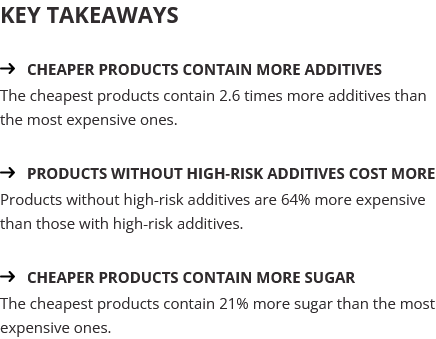
HT – Marion Nestle – https://www.foodpolitics.com/2026/03/weekend-reading-the-hidden-cost-of-cheap-food/
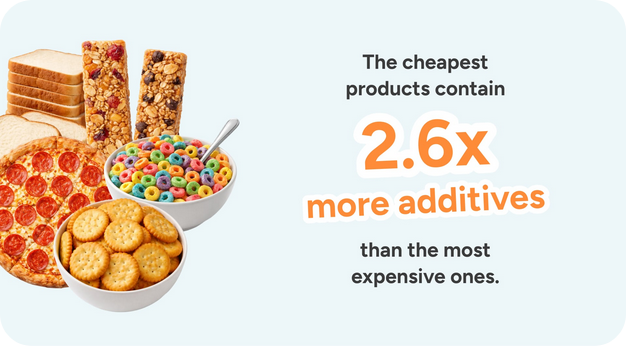
Download the full report – https://yuka.io/en/report-food-price-composition-us/
Yikes.

A food memoir of weight loss, family recipes, digital cookbook and nutrition information for family and friends
HT – Marion Nestle – https://www.foodpolitics.com/2026/03/weekend-reading-the-hidden-cost-of-cheap-food/
Download the full report – https://yuka.io/en/report-food-price-composition-us/
Yikes.
Over the years when I invited friends over for dinner they got pretty excited. One day I asked a guest what’s with all the excitement?
Chinese food! They were expecting something I really sucked at making. To this day I don’t make much Chinese/Asian stuff. I’d rather go out and eat something someone actually knows how to make.
So Lesson #13 is this: technique. This is the how and why a dish, despite following the recipe exactly, tastes better than yours.
I found this video and I now know why my Chicken and Broccoli never tastes as good as the restaurant versions.
Who says you can’t teach an old trick new dogs?
Memo to Self – Don’t be discouraged to learn there are Chinese Americans out there more Chinese than you.
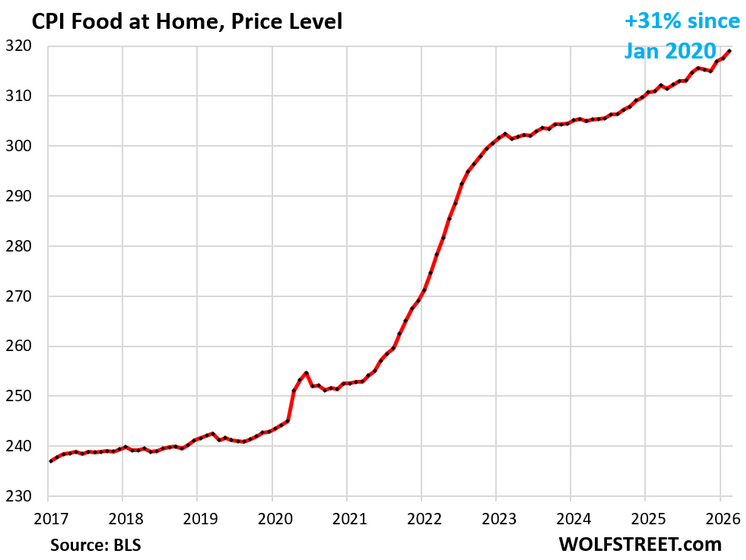
Food Inflation in America – https://wolfstreet.com/2026/03/11/food-inflation-in-america/
As one reader commented “learn to grow your own veggies and do community chickens
otherwise learn to eat soy products.”
I Googled “community chickens” and found this:
Must be getting rough out there. Health insurance companies are offering mental health counseling to their customers free of charge.
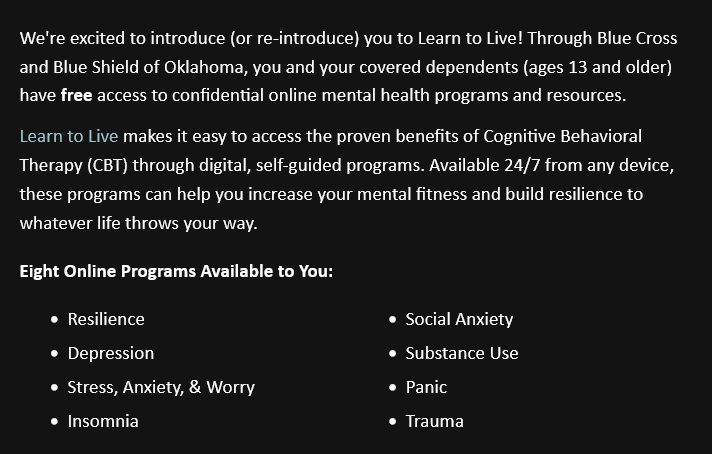
Funny thing is my health insurance company isn’t Blue Cross and Blue Shield of Oklahoma but somehow I’m on their email mailing list.
These services are probably useful but you have to have health insurance to use them.
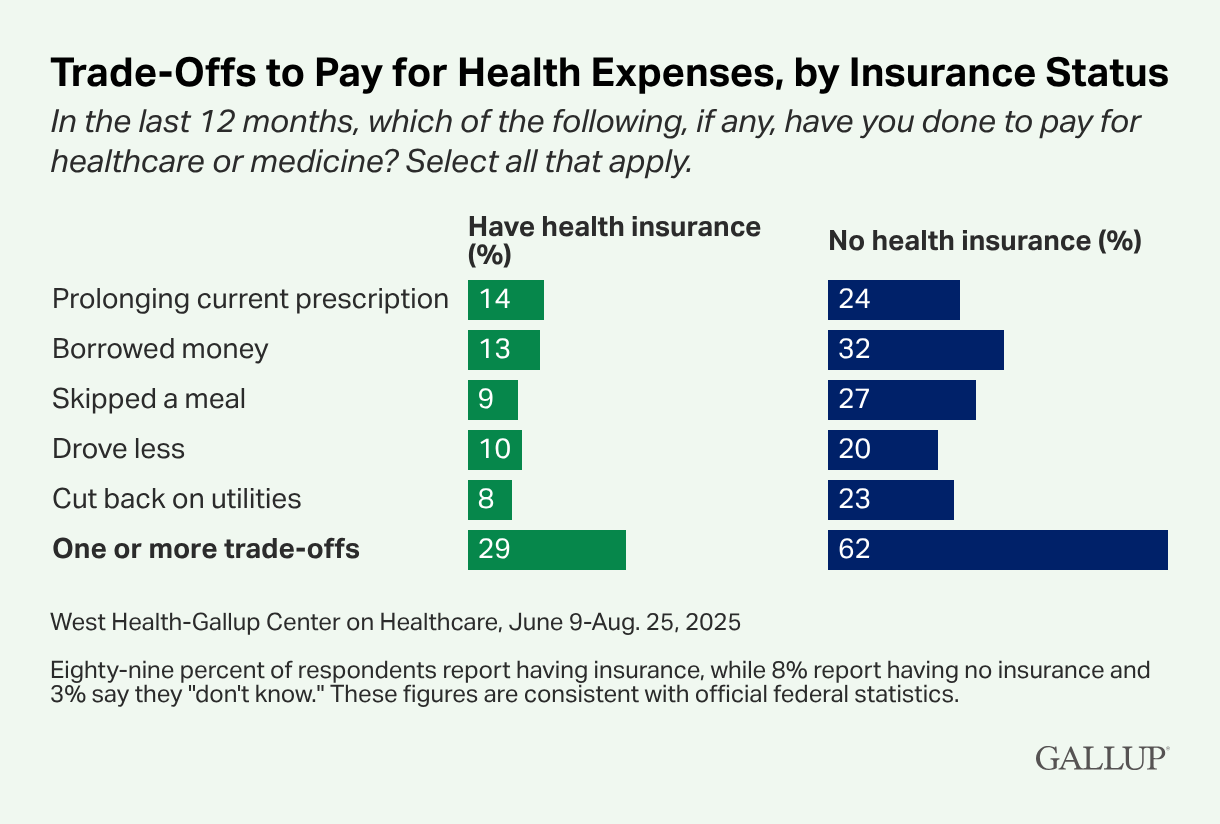
One-Third of Americans Cut Back to Cover Healthcare Expenses – https://news.gallup.com/poll/702596/one-third-americans-cut-back-cover-healthcare-expenses.aspx
I’ve noticed some food blogs I follow are posting recipes focusing on using up leftovers. https://www.budgetbytes.com/leftover-rice-recipes/
Maybe I need to start a struggle meal post series.
Unsavory Truth: How Food Companies Skew the Science of What We Eat. In that book, I review research on the “funding effect,” the strong correlations between who pays for food and nutrition research and its outcome. Industry-funded research tends to produce results favorable to the funder’s interests (otherwise it wouldn’t be funded). But recipients of funding typically did not intend to be influenced and do not recognize the influence. The MAHA Dietary Guidelines III: Conflicts of Interest – https://www.foodpolitics.com/2026/01/the-maha-dietary-guidelines-iii-conflicts-of-interest/
Understanding the new Dietary Guidelines for Americans – https://hsph.harvard.edu/news/understanding-the-new-dietary-guidelines-for-americans/
Good luck.
Over the study period, 1,131 cases of type 2 diabetes were identified among the 108,723 participants. Compared with people who consumed the lowest levels of preservatives, those with higher intake showed a markedly increased risk of developing type 2 diabetes. Overall preservative consumption was linked to a 47% higher risk. Non-antioxidant preservatives were associated with a 49% increase, while antioxidant additives were linked to a 40% higher risk.
INSERM (Institut national de la santé et de la recherche médicale). “Common food preservatives linked to higher risk of type 2 diabetes.” https://www.sciencedaily.com/releases/2026/01/260109080211.htm (accessed January 10, 2026).
Type 2 diabetes has a stronger link to family history and lineage than type 1, and studies of twins have shown that genetics play a very strong role in the development of type 2 diabetes. Race can also play a role. Yet it also depends on environmental factors. Lifestyle also influences the development of type 2 diabetes. Obesity tends to run in families, and families often have similar eating and exercise habits. Genetics of Diabetes – https://diabetes.org/about-diabetes/genetics-diabetes
Remember this:
Stay as thin as you can as long as you can – https://lifeunderwriter.net/2022/04/05/stay-as-thin-as-you-can-as-long-as-you-can/
And watch out for those preservatives.
Some 56.2 percent of the daily calories consumed by US adults come from federally subsidized food commodities: corn, soybeans, wheat, rice, sorghum, dairy, and livestock. While these calorie-dense foods once made sense for a government preparing for famine or total war, in recent decades they’ve instead helped make us fatter and sicker. Obesity Economics: How Subsidies Distort the American Diet – https://thedailyeconomy.org/article/obesity-economics-how-subsidies-distort-the-american-diet/
Yikes.
Bottom Line – Bad idea.
“After listening to my four-year-old son regale me with the adventures of Thomas the Tank Engine for 45 minutes I tapped out,” he wrote, “so I opened ChatGPT.” In an interview with The Guardian, Josh said he needed to do chores and thought his son “would finish the story and the phone would turn off.” But when he returned two hours later, the child was still talking to the chatbot about Thomas and friends. The transcript, he discovered, was over 10,000 words long. Lazy Parents Are Giving Their Toddlers ChatGPT on Voice Mode to Keep Them Entertained for Hours – https://futurism.com/artificial-intelligence/parents-toddlers-chatgpt-voice-mode
You’re welcome.
The 5 Ingredients You’ll Always Find in Jacques Pépin’s Kitchen
https://www.foodandwine.com/jacques-pepin-pantry-staples-11790988

Memo to Self – OK to use cheaper olive oil for cooking. Dried herbs essential, fresh is better.

Memo to Self – For this dish one boneless chicken breast feeds two people. Jacques says this in the video but I didn’t believe him.
What makes protein so appealing is that it has been offered as an answer for lots of people’s dietary goals. Want to build muscle? Eat protein. Want to feel fuller for longer? Eat protein. Want to lose weight? Eat protein. The nutrient can indeed help with all of those, but sometimes, the claims turn absurd. Cargill, the food giant, recently suggested that protein might help solve broken marriages: “Protein helps individuals become better parents, partners and employees,” the company wrote in a report this spring. In other words, protein has become synonymous with “healthy.” The message seems to be resonating: Last year, 71 percent of American adults said they were trying to consume more of it. The Protein Madness Is Just Getting Started – https://www.theatlantic.com/health/archive/2025/06/protein-supplements-too-far/
Sorry, the entire article is behind a paywall. But you get the drift of this post.
 garyskitchen.net