Eat More Beans, Peas and Lentils

The scientific report has some positive recommendations. It recommends that Americans eat more beans, peas, and lentils and eat less red and processed meat. It recommends that Beans, Peas, and Lentils move from a subgroup of the Vegetables Food Group to a subgroup of the Protein Food Group. When listing foods in the Protein Food Group, Beans/Peas/Lentils should be listed first, followed by Nuts/Seeds/Soy products, then Seafood, and lastly Meats/Poultry/Eggs. – 2025 Dietary Guidelines Advisory Committee’s Scientific Report Recommends Eating More Beans, Peas, and Lentils and Eating Less Red and Processed Meathttp://www.vrg.org/blog/2025/01/31/2025-dietary-guidelines-advisory-committees-scientific-report-recommends-eating-more-beans-peas-and-lentils-and-eating-less-red-and-processed-meat/

If you want to geek out on the full report here’s the download link – https://www.dietaryguidelines.gov/2025-advisory-committee-report

U.S. rates of nutrition-related chronic health conditions are high, and data show significant differences in prevalence across socio-demographic groups. For example, the prevalence of obesity is lower among non-Hispanic Asian children compared to all other race and/or ethnicity groups examined, and the prevalence is lower in non-Hispanic White children compared to non-Hispanic Black and Hispanic and/or Latino children. Obesity is significantly lower among children with higher family income compared to those with lower family income. Among adults, the prevalence of obesity is lower among non-Hispanic Asian adults and higher in non-Hispanic Black adults. Prevalence of hypertension is higher in non-Hispanic Black adults than adults of all other race and/or ethnicity groups examined. Diabetes is lower in non-Hispanic White adults compared to all other race and/or ethnicity groups examined, while gestational diabetes is highest among non-Hispanic Asian adults and lowest among non-Hispanic Black adults. Income data show that among adults, the prevalence of obesity, of hypertension, and of diabetes are higher among families with lower incomes compared to higher incomes.

I’ve not read the entire report but judging from what I’ve read so far it is definitely Geek Paradise.

Eat Less Processed Red Meat

Yikes

To examine the risk of dementia, researchers included a group of 133,771 people with an average age of 49 who did not have dementia at the start of the study. They were followed up to 43 years. Of this group, 11,173 people developed dementia. Participants completed a food diary every two to four years, listing what they ate and how often. Researchers defined processed red meat as bacon, hot dogs, sausages, salami, bologna and other processed meat products. They defined unprocessed red meat as beef, pork, lamb and hamburger. A serving of red meat is three ounces, about the size of a deck of cards. Researchers calculated how much red meat participants ate on average per day. For processed red meat, they divided participants into three groups. The low group ate an average of fewer than 0.10 servings per day; the medium group ate between 0.10 and 0.24 servings per day; and the high group, 0.25 or more servings per day. After adjusting for factors such as age, sex and other risk factors for cognitive decline, researchers found that participants in the high group had a 13% higher risk of developing dementia compared to those in the low group. Is Eating More Red Meat Bad for Your Brain?https://www.aan.com/PressRoom/Home/PressRelease/1082

This large study is a collaboration funded by the National Institutes of Health to NYU Langone Health and includes authors from Johns Hopkins University and other U.S. institutions. The new study relies on information gathered from the ongoing Atherosclerosis Risk in Communities Neurocognitive Study (ARIC-NCS), which since 1987 has closely tracked the vascular health and cognitive function of nearly 16,000 participants as they age. ARIC-NCS is also, the researchers say, the longest-followed cohort of African Americans for researching cognition and heart health. Published in the journal Nature Medicine online January 13, the study concludes that from 1987 until 2020, there were 3,252 study participants who were documented as having developed dementia. This translates to an overall lifetime risk for dementia among middle-aged Americans of 42 percent, which is an average of the 35 percent risk in men and the 48 percent risk in women. The excess risk in women was largely due to their lower death rates. United States Dementia Cases Estimated to Double by 2060 https://nyulangone.org/news/united-states-dementia-cases-estimated-double-2060

The Best Replacements for Meat and Milk (no, it’s not plant milks, veggie burgers or tofu)

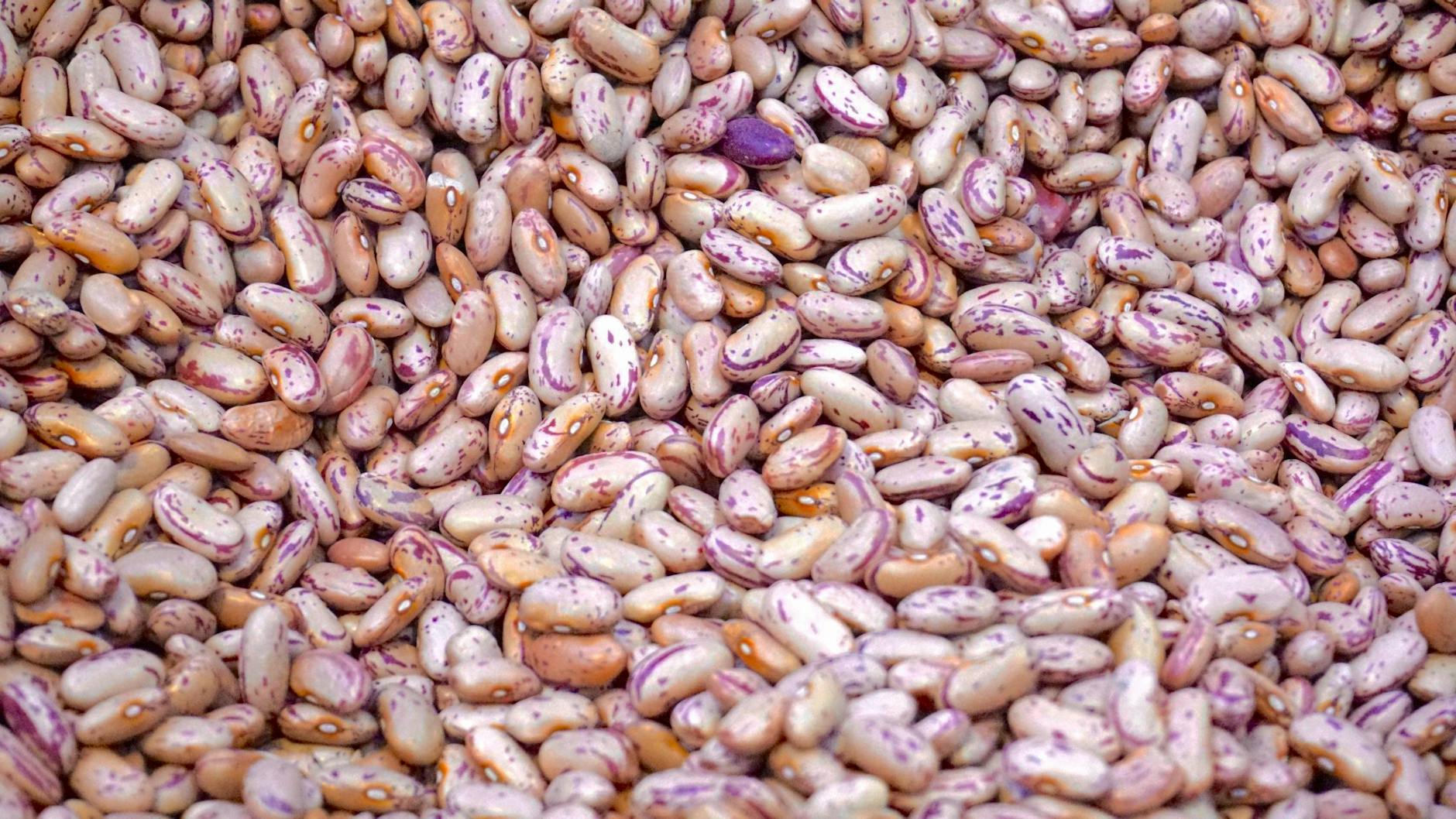
Beans and peas are the best meat and milk replacement from nutritional, health, environmental, and cost perspectives.

Our findings suggest that suitable alternatives to meat and milk exist and are available and affordable without necessarily requiring new technologies or product development. This contrasts with discussions in high-income countries on the needs to develop novel replacement foods, especially those that would completely mimic meat and dairy (18). Our nutritional, health, environmental, and cost analyses suggest that if one is prepared to consider foods for their properties instead of whether they are completely mimicking meat or dairy—and surveys suggest that consumers are (49)—then unprocessed legumes are, for the most part, superior to processed alternatives. This is also relevant for low and middle-income countries where legumes are readily available, but discussions on processed meat and milk alternatives are at an earlier stage, despite diets rapidly becoming similarly imbalanced as in high-income countries (1, 50). M. Springmann, A multicriteria analysis of meat and milk alternatives from nutritional, health, environmental, and cost perspectives, Proc. Natl. Acad. Sci. U.S.A. 121 (50) e2319010121, https://doi.org/10.1073/pnas.2319010121 (2024).

Photo by Pixabay on Pexels.com
Photo by Digital Buggu on Pexels.com

Keep it simple.

Trouble in Paradise 2024 (it’s Weight Gain Season again)

I’ve been posting this chart for several years around the Holiday Season. The source has been attributed to the New England Journal of Medicine. but I could never find the original source article.

Obesity prevalence among older Americans has increased at an alarming rate. In a single generation—between 1988-1994 and 2015-2018—the share of U.S. adults ages 65 and older with obesity nearly doubled, increasing from 22% to 40%.13Fact Sheet: Aging in the United States https://www.prb.org/resources/fact-sheet-aging-in-the-united-states/

At the beginning of every month I record my weight in my personal journal. I started November at 176.2. I managed to survive two birthdays, one homemade Eddie’s Carrot Sheet Cake, a few cupcakes, and the recurring annual threat of Halloween candy. Two more months to go.

My doctor says I worry too much about gaining weight. But she’s a hell of lot younger so what does she really know about my aging metabolism?

Remember this from two years ago? Well the bakers showed up again this Thanksgiving.

It was so good we did it again.

This year’s Thanksgiving was wonderful and memorable in a number of ways. The first blessing of the season was I didn’t have to drive. Let’s just say The Boss wouldn’t let me drive.

The next blessing was spending time with relatives we had not seen in several years. We shared stories, made fun of one another and had a great time. Thanksgiving was different this year; neither of our kids and their families were with us. So we had to borrow a Tiny Human for the occasion.

One Tiny Human, a lot more aunts, uncles, parents and grandparents.

The best blessing was I managed to gain just two pounds from this year’s Thanksgiving food binge.

Happy Thanksgiving to all. Stay well. Stay slim.

Boomers Worry About Moving to Senior Communities for One Significant Reason

A new survey, The Great Expectations survey by Age of Majority, a consultancy specializing in the 55+ market, found that when considering a residential facility, boomers prioritize their tummies. A whopping 71% say food quality is a “very important” factor when deciding on a move to a new community.

Source – Boomers Worry About Moving to Senior Communities for 1 Surprising Reason—but Would Thrive in These 10 Retirement Spots – https://www.realtor.com/news/trends/boomers-senior-communities-the-villages/

Second Source – The link in the quote takes you here – Here’s a surprising reason most boomers are worried about moving to a senior residence – https://www.marketwatch.com/story/why-do-some-boomers-shun-living-in-senior-residences-theydontwant-to-eat-cafeteriafood

One senior community mentioned in the MarketWatch article has entrance fees starting at $285,740 and monthly fees on top of that starting at $3,980. Another senior residence rates start at $12,600 per month for one person in a studio unit.

I have to remind myself this is a food blog.

At these prices you can buy a lot of food and cook it yourself.

Maybe

I write a phrase, then wait for what follows. Then hold still as nothing more comes. Then I delete the first words and fall back into silence.

Maybe all that has been written before is enough. Maybe it’s time to say less—time to hide quietly beyond words and positions and insights. Maybe it’s time to allow what has come before to be what has already happened.

Maybe it’s time to stop. Maybe just this morning or maybe tomorrow too. Maybe only occasionally. Maybe not at all for a long while.

We’ll see.

Blog post by David Rynick May 11, 2021 – https://davidrynick.com/blog/

I feel the same way today.

Prioritize Protein, Polyphenols, Healthy Fats, Calcium and Vitamin D

Research suggests that those who consume more protein tend to live longer and stay stronger and healthier later in life than those who consume less. But where you get your protein matters. Plant-based sources like legumes, nuts and whole grains seem to be especially beneficial, whereas protein from red and processed meat has been linked with shorter lives, Dr. Lars Fadnes, a professor of global public health at the University of Bergen in Norway, wrote in an email. How to Eat for a Long and Healthy Lifehttps://www.nytimes.com/2024/09/02/well/eat/foods-longevity-aging.html

Nice article. The last time I checked the link the NYT article was freely available and not sitting behind their paywall.

One key point was not covered in the article. Pizza! Tomato sauce for polyphenols and cheese for healthy fats and calcium. You already know what not to put on your pie to improve the health benefits.

Blueberries Make You Smarter?

Half a cup of blueberries a day improved the average participant’s language skills, improved their short-term memory, and enhanced their decision-making, planning, and organizational skills. Scientists Just Discovered That Eating Blueberries Will Make You Smarter and ‘Significantly’ Improve Your Memoryhttps://www.inc.com/jeff-haden/scientists-just-discovered-that-eating-blueberries-will-make-you-smarter-significantly-improve-your-memory.html

So I suppose not eating blueberries for most of my life was the main driver behind my impaired language skills, memory and decision making.

I wonder if the effects are dose dependent?

Sorry Hon, I ate all the blueberries. Again.

A Saturday Afternoon Confession (and Electronic Sticky Note)

Saturday 3/30

I haven’t been writing much lately. My personal journal shows numerous gaps. My blogs show numerous gaps and much longer gaps in between posts. The dearth of words scares me and the Master of Overthinking starts to ask the question why? The Mojo is not as strong as it has been in the past. Maybe it’s just from getting older. Or spending more time doing other things. I’m probably not writing as much because I AM spending more time doing other things.

Recently two different people who have known me a long time delivered the same message to me. One was my barber, the other a relative.

“You look thin. You’re keeping the weight off.”

“You’ve lost weight.”

The Master of Overthinking once more started to think. What changed? My weight is stable and fluctuates between 173 and 175. I’ve tweaked my diet many times but haven’t tweaked in quite some time. So what changed?

Towards the end of last year The Boss felt I needed to get out of the house more. She knows all too well I could go 100% hermit at this point in my life. The Boss posed a simple question:

“Why don’t you rejoin the Y?”

The Master of Overthinking thought about this. Too much togetherness? Does she need more alone time? Was I becoming a hermit?

Well, I guess I could use more exercise. So I signed up at the Y and started getting back into my old routines at the beginning of the year. Four years ago I cancelled my membership due to the Covid pandemic. I didn’t want to keep paying monthly dues for something that wasn’t going to be used. I had always intended to rejoin at a later time. But one month came and went followed by the years. It was time to get back to old ways.

Due to the long layoff I focused first on resistance training. I had been doing resistance work at home with light weights and bands. I convinced myself that was enough to keep what was left of my muscle mass from shrinking to nothing. But adding a circuit of resistance machines has made a difference. I weigh the same but Mr. Muffin is smaller. After three months the changes are noticeable. When your barber notices the change…

To make a short story long I’m spending more of my time going to the Y. I’ve also been reading more and writing less. But I feel the Mojo returning. I’m back.

Electronic Sticky Note Time

Take-Out Style Vegetable Lo Mein from https://www.bluezones.com/recipe/take-out-style-vegetable-lo-mein/ which was reprinted from the Essential Wok Cookbook: A Simple Chinese Cookbook for Stir-Fry, Dim Sum, and Other Restaurant Favorites by Naomi Imatome-Yun, copyright ©2015.

OR…

More on Blue Zones and a Diet You Probably Never Heard Of

Food is another key component of healthy living in blue zones, says Buettner. People there tend to consume unprocessed foods, beans, legumes, fruits, and vegetables—often following traditional recipes that have been passed down through generations. That style of eating is good for heart and cognitive health, says Linda Hershey, MD, PhD, FAAN, professor of neurology at the University of Oklahoma Health Sciences Center in Oklahoma City. “Numerous high-quality studies support the benefits of the MIND, DASH, and Mediterranean diets, which emphasize green leafy vegetables, fruits, beans, nuts, fish, poultry, oil, and whole grains, and discourage fried food, processed meat, snack foods, and sweets,” Dr. Hershey says.

“Blue Zones” Author Dan Buettner Shares the Secrets to a Long and Healthy Life — https://www.brainandlife.org/articles/author-dan-buettner-shares-secrets-to-long-healthy-life

Just Another Diet You Probably Never Heard Of

Researchers used the portfolio diet score to rank the participants’ consumption of plant proteins, nuts and seeds, viscous fiber, phytosterols and plant sources of monounsaturated fatty acids. After up to 30 years of follow-up, those with the highest portfolio diet score had a 14% lower risk of coronary heart disease and stroke compared to those with the lowest score. The findings were published Wednesday in the American Heart Association journal Circulation.

“We’re always looking at ways to reduce the risk of heart disease, and one effective way to do that is to lower blood cholesterol levels, particularly LDL cholesterol,” said Dr. Kristina Petersen, an associate professor of nutritional sciences at Penn State in University Park, Pennsylvania.

Petersen, who was not involved in the research, is well-versed in how diets can affect heart health. She co-authored an AHA scientific statement published in April that scored 10 popular diets for their heart-health benefits. The Dietary Approaches to Stop Hypertension – or DASH – diet was the only eating pattern to get a perfect score, with the Mediterranean and pescetarian diets rounding out the top three. The portfolio diet was excluded from the assessment “because it’s not particularly common,” she said.

Ever heard of the portfolio diet? — https://www.heart.org/en/news/2023/10/25/ever-heard-of-the-portfolio-diet-it-may-lower-risk-for-heart-disease-and-stroke