I am very, very bad at cooking tofu.
Remember Baked BBQ Tofu? Well I recently discovered I can’t even fry tofu properly.
Memo to Self – order out for tofu.

A food memoir of weight loss, family recipes, digital cookbook and nutrition information for family and friends
I am very, very bad at cooking tofu.
Remember Baked BBQ Tofu? Well I recently discovered I can’t even fry tofu properly.
Memo to Self – order out for tofu.
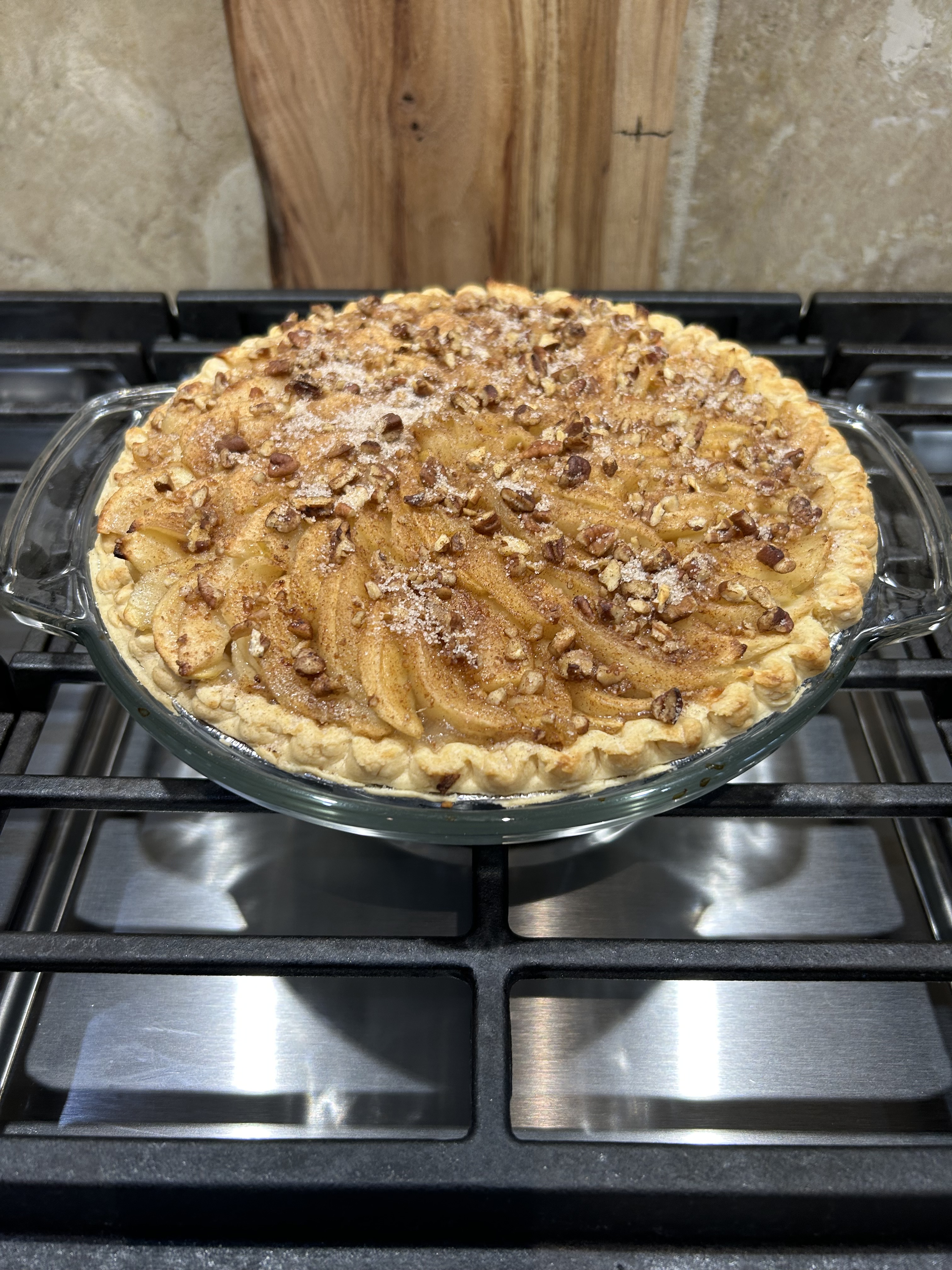
I helped peel and slice the apples. The retiree did the rest.
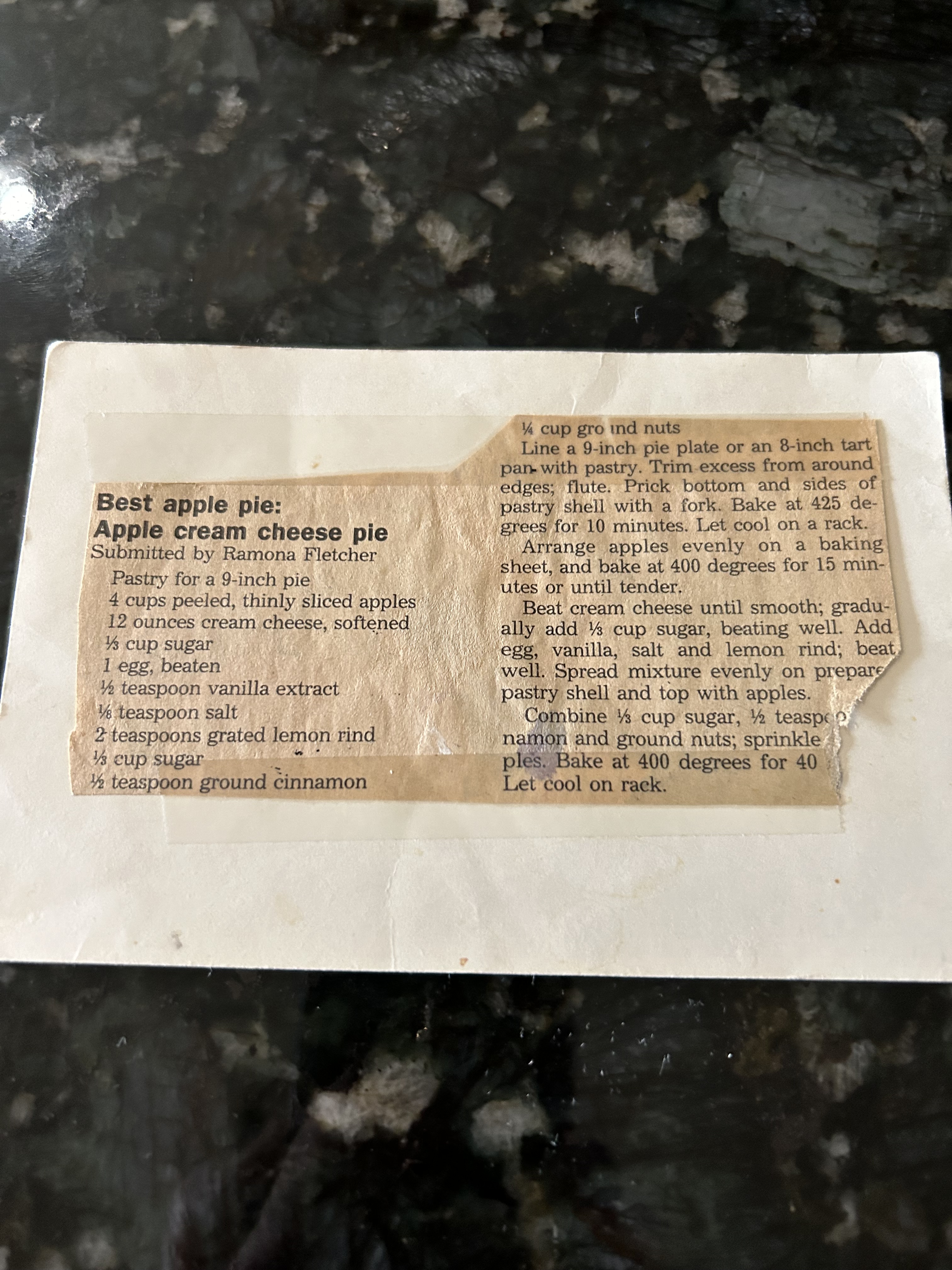
Apple Cream Cheese Pie. It’s like an apple pie and a cheesecake got married and had a kid.
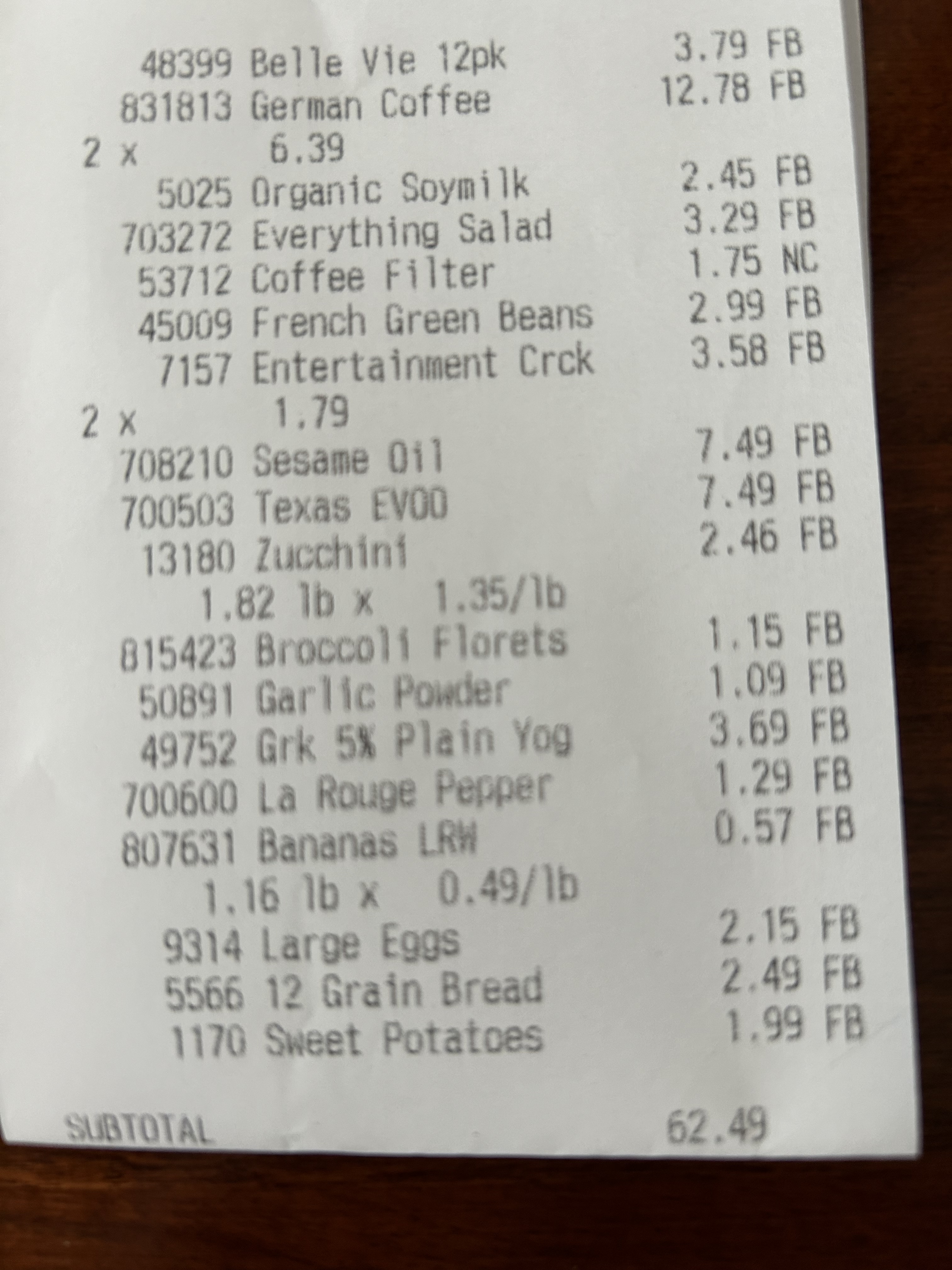
Back in the good old days a dozen eggs cost just $0.89 cents. See Egg Salad (because you will be eating more eggs).
Two months ago I Just Paid $5.59 for a Dozen Eggs!
Can someone, anyone please explain to me what the hell is happening?
Blaming the recent sky high cost of eggs on bird flu was big news.
Maybe all of those egg laying hens got better…
I write a phrase, then wait for what follows. Then hold still as nothing more comes. Then I delete the first words and fall back into silence.
Maybe all that has been written before is enough. Maybe it’s time to say less—time to hide quietly beyond words and positions and insights. Maybe it’s time to allow what has come before to be what has already happened.
Maybe it’s time to stop. Maybe just this morning or maybe tomorrow too. Maybe only occasionally. Maybe not at all for a long while.
We’ll see.
Blog post by David Rynick May 11, 2021 – https://davidrynick.com/blog/
I feel the same way today.
Mushrooms are having their 15 minutes of fame. Here’s the article link
I’m having a mushroom morning. See https://lifeunderwriter.net/2024/10/19/youre-gonna-see-god/
Re-posted without the usual snarky comment.
The false dichotomy between conventional and organic isn’t just misleading, it’s dangerous. Our constant attention on natural versus synthetic only causes fear and distrust, when in actuality, our food has never been safer.
Eating fewer fruits and vegetables due to fear of pesticides or the high price of organic food does far more harm to our health. Conventional produce has the same nutritional content and is as safe to consume as ‘organic’ produce. Most of Americans already don’t eat enough fruits and vegetables, and produce contains important nutrients, fiber, and other substances that are extremely important to our health.
From a scientific point of view, organic foods are not superior. If you want to spend more money on them, go for it. But don’t buy organic because you think it’s better for you or for the planet, because it’s not. Organic foods are not healthier…or pesticide free. — https://news.immunologic.org/p/organic-foods-are-not-healthieror
I’m beginning to think I read too much. But every now and then I come across very interesting and useful information. The entire article is about a 10-15 read and is worth your time.
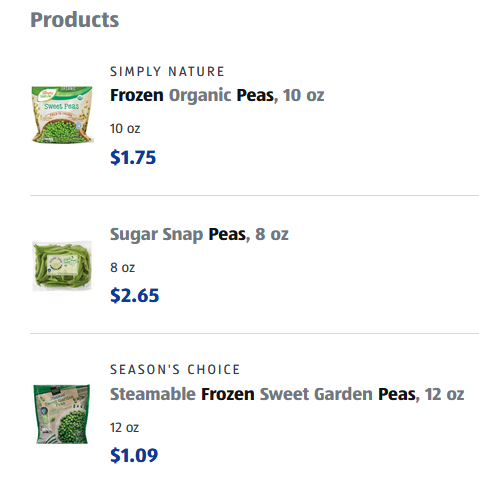
The amount of product labeled Organic in my freezer and pantry are minimal compared to everything else. But if the quality isn’t better or the nutritional value isn’t superior then my choice is to save money at the store whenever I can.
Nutritional quality of organic foods: a systematic review – https://ajcn.nutrition.org/article/S0002-9165(23)26563-6/fulltext
www.instagram.com/p/DA9atmIzx8D/
Nice short synopsis of the Simian Diet trial from Dr. Belardo.
HT to VinePair for reporting this story.
https://vinepair.com/booze-news/beer-sales-break-record-utah-nhl-first-game/
Delta Center had a record-breaking demand for beverages from the hockey audience. The arena did $120,000 in beer sales alone, which is more than any NBA or NHL event it has hosted, Smith Entertainment Group said. Utah’s beer-loving hockey fans bought a record amount of brews at Delta Center – https://www.sltrib.com/sports/2024/10/09/utah-hockey-club-delta-center/
First time I’ve posted about beer twice in one day.
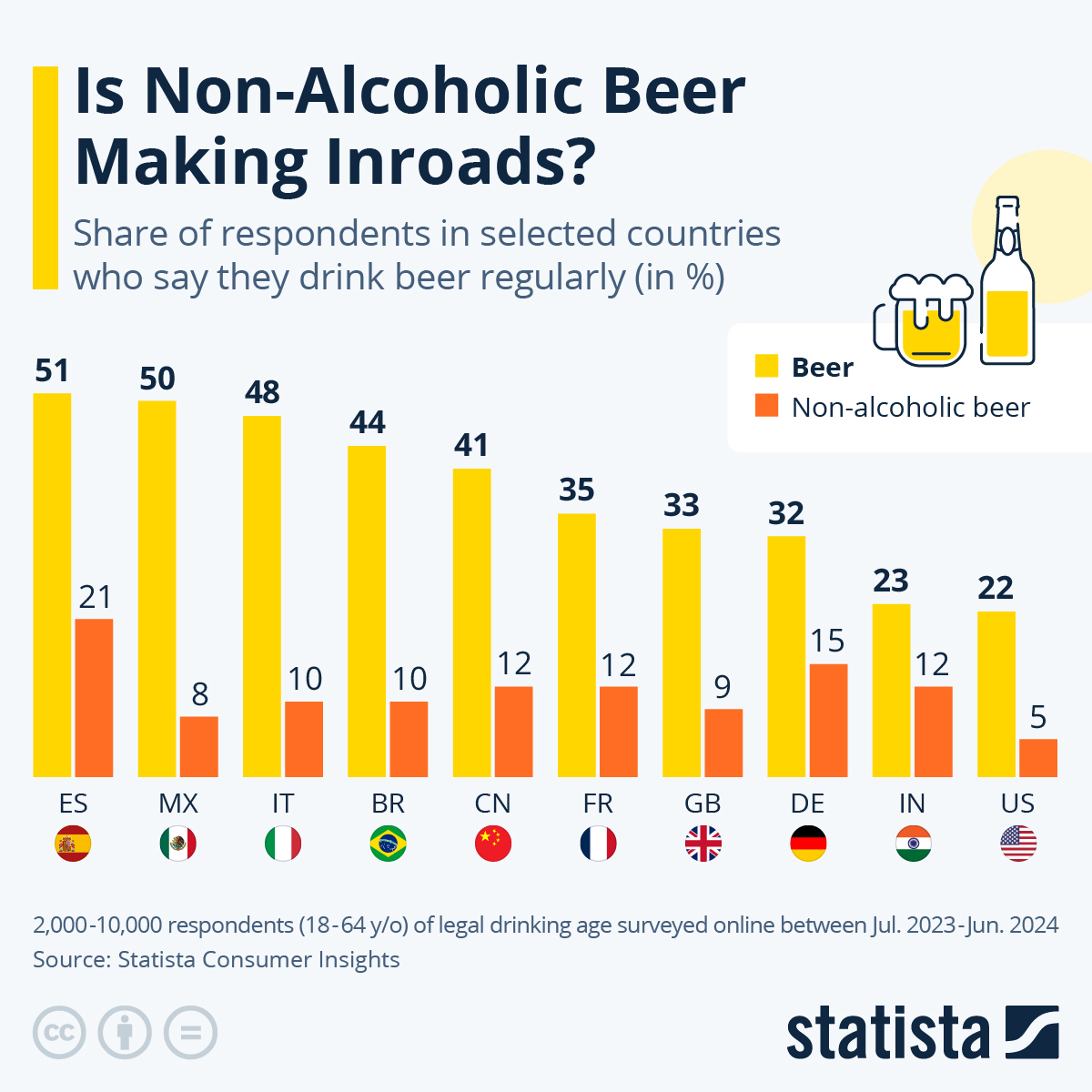
Who’s Drinking (Non-Alcoholic) Beer? – https://www.statista.com/chart/33210/regular-beer-drinkers-survey/
Anyone who knows me personally or has followed my blog posts know I have a fondness for beer. The problem is empty non-nutritional calories. I just learned about Persistent Metabolic Adaptation so I thought why not try a new strategy? Yup, I’m testing non-alcoholic beers. Sample size is small, researcher bias definitely exists, so don’t try to extrapolate my findings to a larger population of non-alcoholic beers. So, straight to the research.
Coors Edge – somewhat palatable, tastes somewhat like beer.
Heineken 0.0 – odd taste, worse aftertaste almost like a spoiled real Heineken.
I’m guessing whatever the Spaniards are drinking must taste better than the zero taste, zero alcohol brews we have in the US.
 garyskitchen.net