“These neurons are unlike any other neuron involved in regulating satiation,” says Alexander Nectow, a physician-scientist at Columbia University Vagelos College of Physicians and Surgeons, who led the research with Srikanta Chowdhury, an associate research scientist in the Nectow lab. “Other neurons in the brain are usually restricted to sensing food put into our mouth, or how food fills the gut, or the nutrition obtained from food. The neurons we found are special in that they seem to integrate all these different pieces of information and more.”
“Essentially these neurons can smell food, see food, feel food in the mouth and in the gut, and interpret all the gut hormones that are released in response to eating,” Nectow says. “And ultimately, they leverage all of this information to decide when enough is enough.”Columbia University Irving Medical Center. “Researchers discover the brain cells that tell you to stop eating.” ScienceDaily. http://www.sciencedaily.com/releases/2025/02/250205131107.htm (accessed February 8, 2025).
I’ve been posting this chart for several years around the Holiday Season. The source has been attributed to the New England Journal of Medicine. but I could never find the original source article.
Obesity prevalence among older Americans has increased at an alarming rate. In a single generation—between 1988-1994 and 2015-2018—the share of U.S. adults ages 65 and older with obesity nearly doubled, increasing from 22% to 40%.13 – Fact Sheet: Aging in the United Stateshttps://www.prb.org/resources/fact-sheet-aging-in-the-united-states/
At the beginning of every month I record my weight in my personal journal. I started November at 176.2. I managed to survive two birthdays, one homemade Eddie’s Carrot Sheet Cake, a few cupcakes, and the recurring annual threat of Halloween candy. Two more months to go.
My doctor says I worry too much about gaining weight. But she’s a hell of lot younger so what does she really know about my aging metabolism?
Remember this from two years ago? Well the bakers showed up again this Thanksgiving.
It was so good we did it again.
This year’s Thanksgiving was wonderful and memorable in a number of ways. The first blessing of the season was I didn’t have to drive. Let’s just say The Boss wouldn’tlet me drive.
The next blessing was spending time with relatives we had not seen in several years. We shared stories, made fun of one another and had a great time. Thanksgiving was different this year; neither of our kids and their families were with us. So we had to borrow a Tiny Human for the occasion.
One Tiny Human, a lot more aunts, uncles, parents and grandparents.
The best blessing was I managed to gain just two pounds from this year’s Thanksgiving food binge.
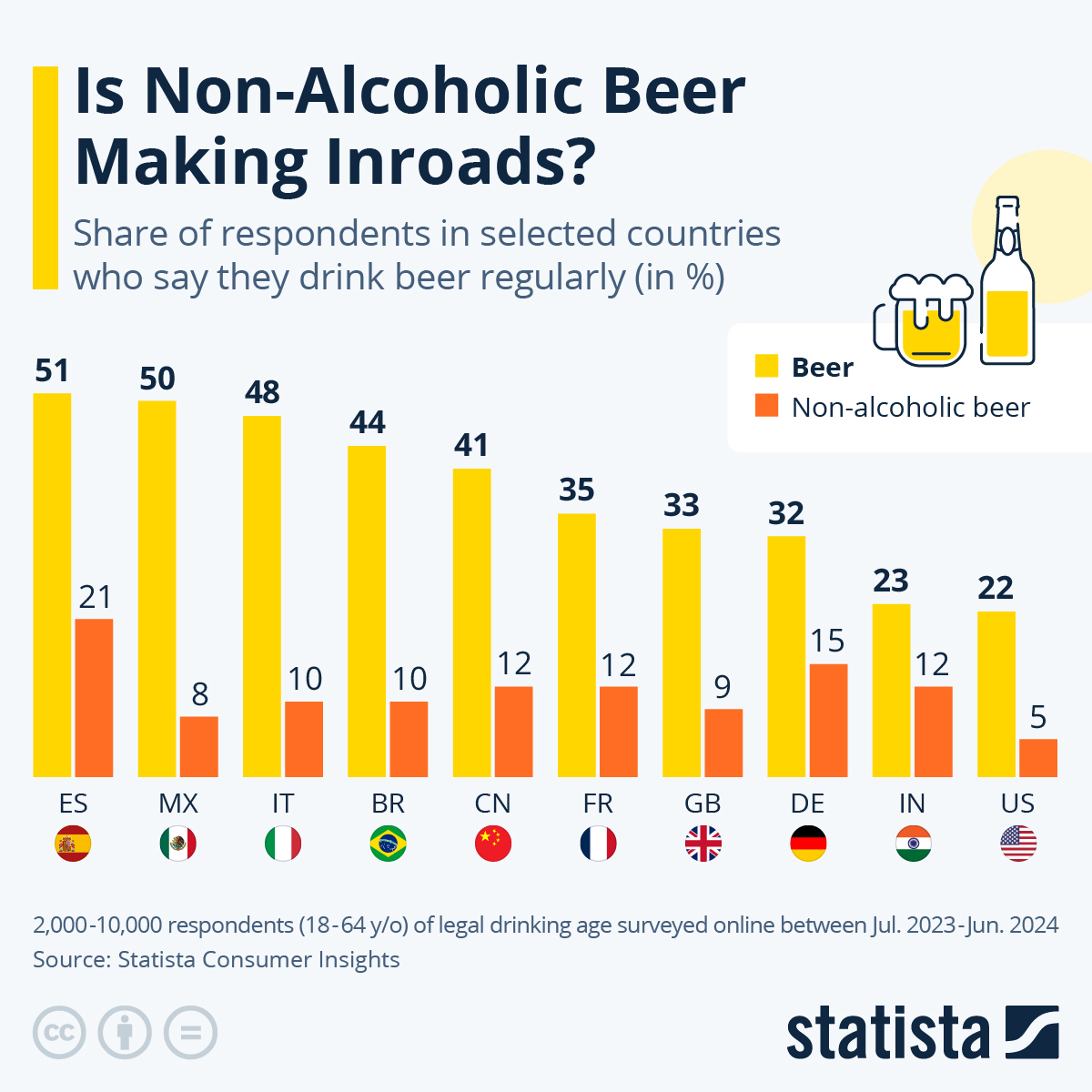
Anyone who knows me personally or has followed my blog posts know I have a fondness for beer. The problem is empty non-nutritional calories. I just learned about Persistent Metabolic Adaptation so I thought why not try a new strategy? Yup, I’m testing non-alcoholic beers. Sample size is small, researcher bias definitely exists, so don’t try to extrapolate my findings to a larger population of non-alcoholic beers. So, straight to the research.
Coors Edge – somewhat palatable, tastes somewhat like beer.
Heineken 0.0 – odd taste, worse aftertaste almost like a spoiled real Heineken.
I’m guessing whatever the Spaniards are drinking must taste better than the zero taste, zero alcohol brews we have in the US.
Straight to the point. My BMI is back in the overweight range. I was hoping for a random uptick with a gradual return to my 173-175 range but it has not happened. I now fluctuate between 177 and 178. Another pound or two and my skinny jeans won’t fit anymore. So the research geek in me took over. I wanted to know why I’m gaining weight after years of keeping my number down. Lack of enough exercise was an obvious reason. But I also felt my metabolism changed (again) so down the rabbit hole I went. The deeper I went the dots starting connecting.
I recall reading somewhere that successful weight loss maintainers changed their diets multiple times in their lifetimes. I found this to be true in my case. Remember The Biggest Loser television show? I found this fascinating study Persistent metabolic adaptation 6 years after “The Biggest Loser” competition – https://doi.org/10.1002/oby.21538. Fascinating because the participants with greater long-term weight loss also had greater ongoing metabolic slowing. It appears my metabolism is slowing down not just from age but also from the fact I’ve maintained my weight loss for a long time.
And if this wasn’t bad enough I stumbled upon Metabolic adaptation is associated with a greater increase in appetite following weight loss: a longitudinal study – https://doi.org/10.1016/j.ajcnut.2023.10.010. Lose weight. Appetite increases!
The universe opened up her secrets to me. I need to change my diet (again).
Take Home Lesson
Long-term weight loss requires perpetual behavioral adaptation to offset persistent metabolic adaptation.
In plain English, I have to eat less or I’m screwed. Because I already know I’m in the one third category.
About 10 percent of older people living in their own homes do not eat enough and one-third of people over the age of 65 eat too much. More than half of older people in hospitals or nursing homes have malnutrition (poor nutrition or diet). – https://www.healthinaging.org/a-z-topic/nutrition/basic-facts
Tommy Lundberg, an exercise researcher at the Karolinska Institute in Solna, Sweden, and the author of The Physiology of Resistance Training, says that strength training is far more important than most people realize.
“You get improved glucose control, especially if you have Type 2 diabetes,” he says. “You feel better —which is a very important effect, as it can reduce stress levels — and you typically get better sleep. As you age, it helps you function better so you can carry out your daily activities for a longer period of time. It also helps reduce your risk of falls.” https://www.newsmax.com/health/health-news/strength-training-resistance-longevity/2024/01/24/id/1150856/
Food is another key component of healthy living in blue zones, says Buettner. People there tend to consume unprocessed foods, beans, legumes, fruits, and vegetables—often following traditional recipes that have been passed down through generations. That style of eating is good for heart and cognitive health, says Linda Hershey, MD, PhD, FAAN, professor of neurology at the University of Oklahoma Health Sciences Center in Oklahoma City. “Numerous high-quality studies support the benefits of the MIND, DASH, and Mediterranean diets, which emphasize green leafy vegetables, fruits, beans, nuts, fish, poultry, oil, and whole grains, and discourage fried food, processed meat, snack foods, and sweets,” Dr. Hershey says.
Researchers used the portfolio diet score to rank the participants’ consumption of plant proteins, nuts and seeds, viscous fiber, phytosterols and plant sources of monounsaturated fatty acids. After up to 30 years of follow-up, those with the highest portfolio diet score had a 14% lower risk of coronary heart disease and stroke compared to those with the lowest score. The findings were published Wednesday in the American Heart Association journal Circulation.
“We’re always looking at ways to reduce the risk of heart disease, and one effective way to do that is to lower blood cholesterol levels, particularly LDL cholesterol,” said Dr. Kristina Petersen, an associate professor of nutritional sciences at Penn State in University Park, Pennsylvania.
Petersen, who was not involved in the research, is well-versed in how diets can affect heart health. She co-authored an AHA scientific statement published in April that scored 10 popular diets for their heart-health benefits. The Dietary Approaches to Stop Hypertension – or DASH – diet was the only eating pattern to get a perfect score, with the Mediterranean and pescetarian diets rounding out the top three. The portfolio diet was excluded from the assessment “because it’s not particularly common,” she said.
Two-thirds of those surveyed said they overindulge in food, nearly 45% said they take a break from exercise and more than half report feeling tired and have less time for themselves. Plus, a third admit they drink more alcohol during the holidays.
“Competition puts hurdles in front of you that you have to clear.”
OKC Thunder coach Mark Daigneault
Here’s the same chart I posted from last year that is attributed to the New England Journal of Medicine. I could never find the original source article.
Take Home Lesson
“God speaks to us through signs. It is important to allow angels to act. When we see ourselves repeating our ordinary routine, we realize how much wealth surrounds our life. We understand each step, each attitude. We discover important things, and useless thoughts. At the end of a week – discipline is always fundamental – we are more conscious of our faults and distractions, but we also understand that, at times, there was no reason to act the way we did, that we followed our impulses, our intuition; and now we begin to understand this silent language which God uses in order to show us the true path. Call it intuition, signs, instinct, coincidence, any name will do – what matters is that through “conscious attention” we realize that we are often guided to the right decision. And this makes us stronger and more confident.”