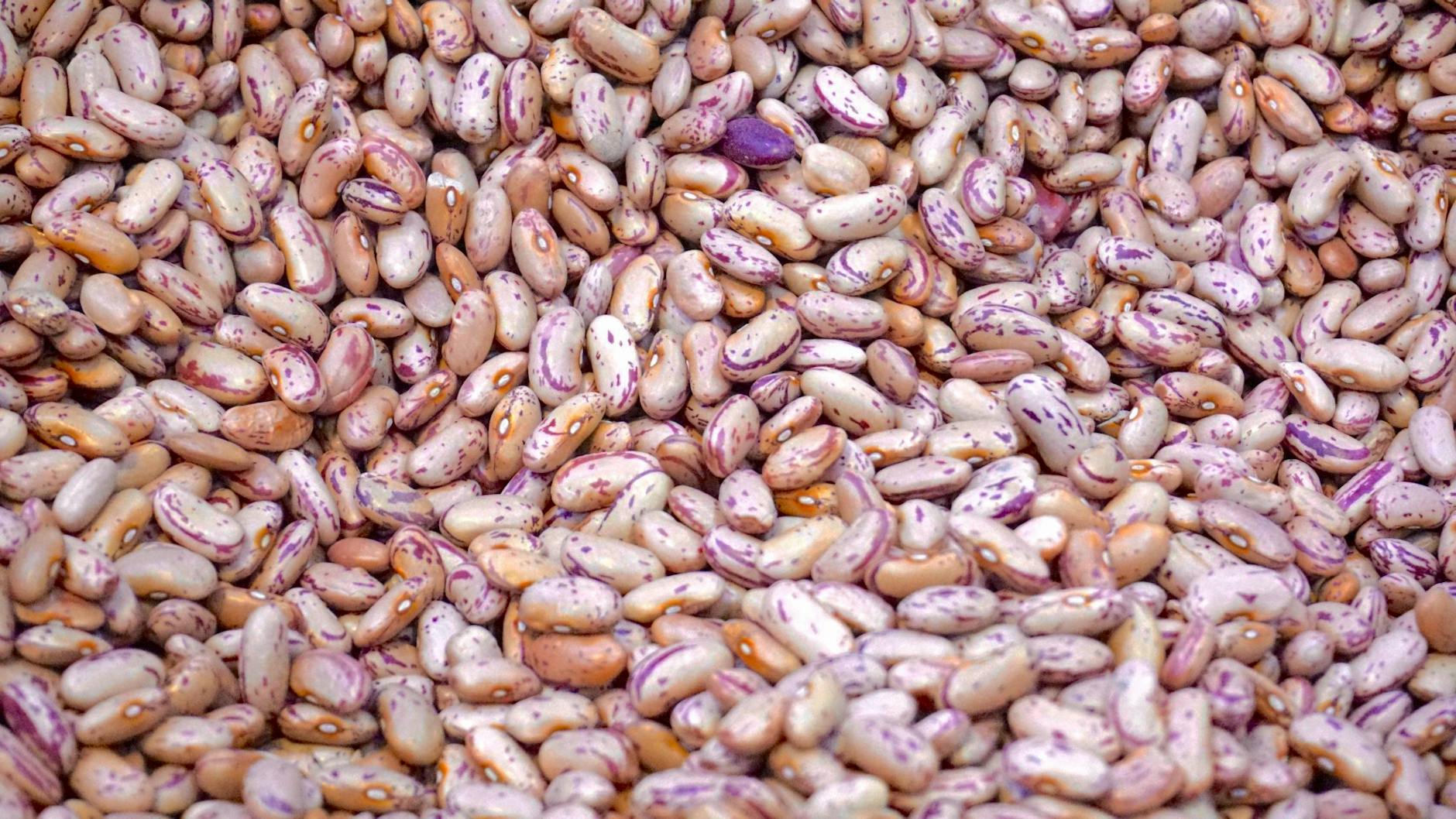
Beans and peas are the best meat and milk replacement from nutritional, health, environmental, and cost perspectives.
Our findings suggest that suitable alternatives to meat and milk exist and are available and affordable without necessarily requiring new technologies or product development. This contrasts with discussions in high-income countries on the needs to develop novel replacement foods, especially those that would completely mimic meat and dairy (18). Our nutritional, health, environmental, and cost analyses suggest that if one is prepared to consider foods for their properties instead of whether they are completely mimicking meat or dairy—and surveys suggest that consumers are (49)—then unprocessed legumes are, for the most part, superior to processed alternatives. This is also relevant for low and middle-income countries where legumes are readily available, but discussions on processed meat and milk alternatives are at an earlier stage, despite diets rapidly becoming similarly imbalanced as in high-income countries (1, 50). M. Springmann, A multicriteria analysis of meat and milk alternatives from nutritional, health, environmental, and cost perspectives, Proc. Natl. Acad. Sci. U.S.A. 121 (50) e2319010121, https://doi.org/10.1073/pnas.2319010121 (2024).
Once a fringe movement, it is now firmly mainstream, something that is being reflected by increasing vegan options in restaurants and supermarkets.
Nope. Still a trendy thing on the fringe. Don’t take this the wrong way. I haven’t eaten any meat in several days. But please try to do just a little bit of serious research before jumping to conclusions.
Oh sorry, I forgot this was a food blog. If you’ve read this far, thank you for reading my mini-rant. And to think I started this post thinking about making a new to me chickpea recipe.
Well, I’ve already doctored up the recipe and made a batch to go along with a grilled burger. You’ll need:
One 10 ounce package of frozen organic corn
1 or 2 cloves garlic, finely minced
1/ 4 cup red onion, finely minced
1 cup cherry tomatoes, cut in half
1 cup cucumber, peeled, seeded cut into small cubes
1 Tablespoon fresh lime juice
1 Tablespoon red wine vinegar
3 Tablespoons extra virgin olive oil
about 1 tsp honey
1 handful fresh rinsed and minced parsley,
1 handful fresh rinsed and minced basil
salt and black pepper to taste
Do this:
Put the bag of corn in the microwave and do not follow the instructions on the bag
Cook for four minutes, carefully remove the bag from the microwave, open while not trying to burn yourself, dump into a colander and rinse with cold water. Allow to drain and dry.
In a large mixing bowl, mix the dressing ingredients lime juice, vinegar, honey, olive oil, salt, and pepper. Add the garlic and red onion. Mix well. Taste and adjust seasonings.
Add the corn, tomatoes, cucumber, basil, parsley. Toss.
Cover and refrigerate. Serve lightly chilled or at room temperature.
You’ll have enough for four healthy servings. Don’t forget the Feta cheese or forget the Feta cheese if you want to keep the salad vegan.
Took a taste. Nailed it.
(again, this is not an actual picture of the salad but an AI generated picture of the salad which looks awfully close to the real thing)
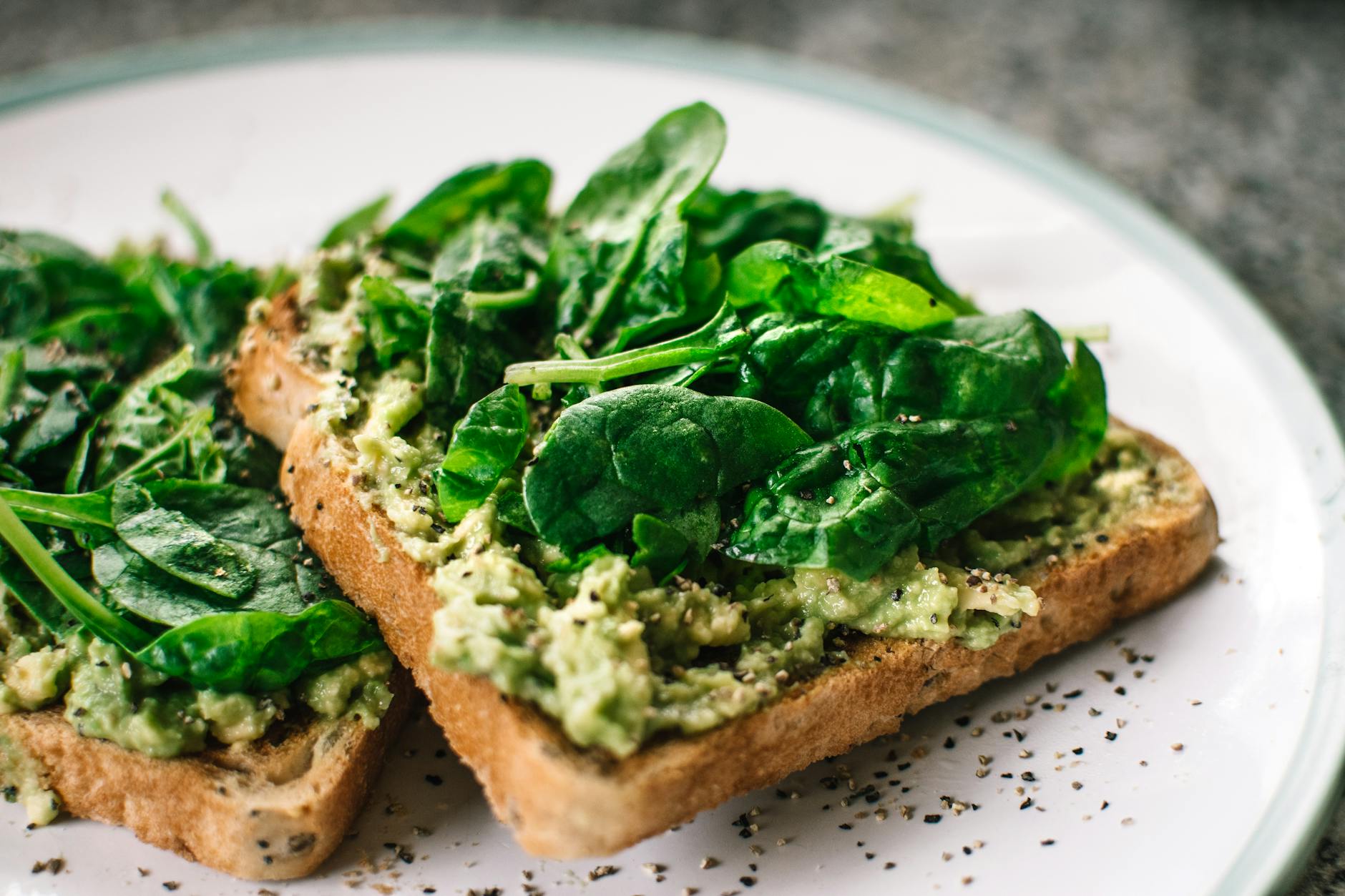
“When fresh spinach sits during transportation over long distances or stays in your refrigerator for a week, its folate content drops so much that frozen spinach becomes the better source,” Mary Ellen Phipps, MPH, RDN, LD, wrote for CNBC in 2022.
This is because frozen spinach often goes through a flash-freezing process just hours after it has been harvested, which helps to lock more of its nutrients in. “One cup of frozen spinach has more than four times the amount of nutrients, including iron, vitamin C, and calcium, compared to a cup of fresh spinach,” adds Phipps. https://vegnews.com/best-form-of-spinachFresh is Best? Not Always When It Comes to Spinach




 garyskitchen.net