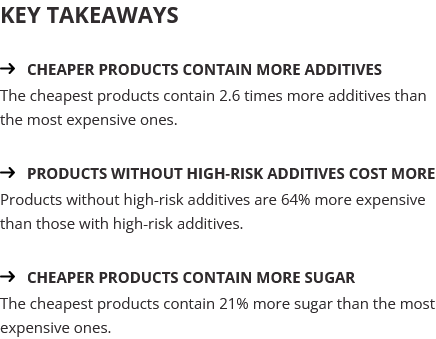
HT – Marion Nestle – https://www.foodpolitics.com/2026/03/weekend-reading-the-hidden-cost-of-cheap-food/
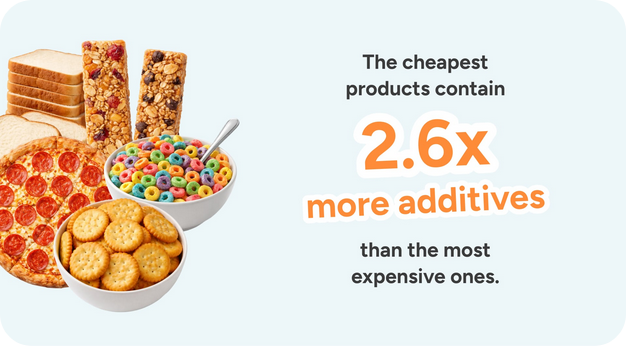
Download the full report – https://yuka.io/en/report-food-price-composition-us/
Yikes.

A food memoir of weight loss, family recipes, digital cookbook and nutrition information for family and friends
HT – Marion Nestle – https://www.foodpolitics.com/2026/03/weekend-reading-the-hidden-cost-of-cheap-food/
Download the full report – https://yuka.io/en/report-food-price-composition-us/
Yikes.
Over the years when I invited friends over for dinner they got pretty excited. One day I asked a guest what’s with all the excitement?
Chinese food! They were expecting something I really sucked at making. To this day I don’t make much Chinese/Asian stuff. I’d rather go out and eat something someone actually knows how to make.
So Lesson #13 is this: technique. This is the how and why a dish, despite following the recipe exactly, tastes better than yours.
I found this video and I now know why my Chicken and Broccoli never tastes as good as the restaurant versions.
Who says you can’t teach an old trick new dogs?
Memo to Self – Don’t be discouraged to learn there are Chinese Americans out there more Chinese than you.
Participants with the highest intake averaged 9.3 servings of ultra-processed foods per day, while those with the lowest intake averaged 1.1 servings. Compared with the lowest group, those in the highest group had a 67% greater risk of dying from coronary heart disease or stroke, or experiencing non-fatal heart attacks, strokes or resuscitated cardiac arrest.
American College of Cardiology. “Ultra-processed foods linked to 67% higher risk of heart attack and stroke.” ScienceDaily https://www.sciencedaily.com/releases/2026/03/260319074604.htm (accessed March 19, 2026).
I need to add a few more things to my How I Got Fat list of foods I don’t eat anymore.
Like protein bars.
Fetter says that low-calorie, high-protein bars shouldn’t be treated as wholesale replacements for other sources of protein, especially given their use of processed or artificial ingredients. “[I understand] using tools like different bars or meal replacements that could come in handy when someone is on the go, but consuming products like that just isn’t inherently healthier for you,” Debbie Fetter, a professor in nutrition at UC Davis.
Everything You Need to Know About the David Protein Bar Class-Action Lawsuit https://www.gq.com/story/david-protein-bar-lawsuit
Why would anyone want to eat a collection of concocted ingredients like this with hardly any of them recognizable as food? These bars are quintessential ultra-processed products.
Marion Nestle https://www.foodpolitics.com/2026/03/lawsuit-1-davids-protein-bars/
I’m guilty of having eaten several of those plant based burgers that bleed . Impossible Foods https://impossiblefoods.com/ marketed their burgers with a message the burgers “bleed” just like beef burgers. I no longer eat any fake meats because they are highly ultra processed.
I do miss my tofu dogs with sauerkraut though.
I know it’s AI because my recipes can’t be this good!
Unsavory Truth: How Food Companies Skew the Science of What We Eat. In that book, I review research on the “funding effect,” the strong correlations between who pays for food and nutrition research and its outcome. Industry-funded research tends to produce results favorable to the funder’s interests (otherwise it wouldn’t be funded). But recipients of funding typically did not intend to be influenced and do not recognize the influence. The MAHA Dietary Guidelines III: Conflicts of Interest – https://www.foodpolitics.com/2026/01/the-maha-dietary-guidelines-iii-conflicts-of-interest/
Understanding the new Dietary Guidelines for Americans – https://hsph.harvard.edu/news/understanding-the-new-dietary-guidelines-for-americans/
Good luck.
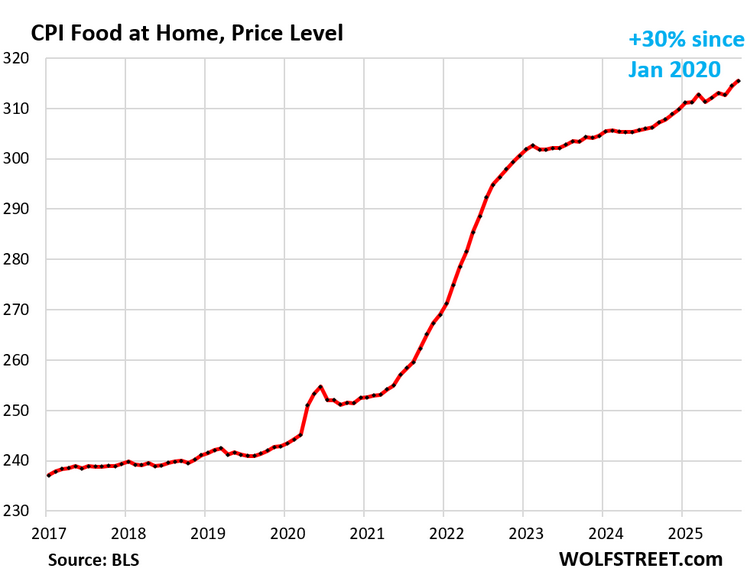
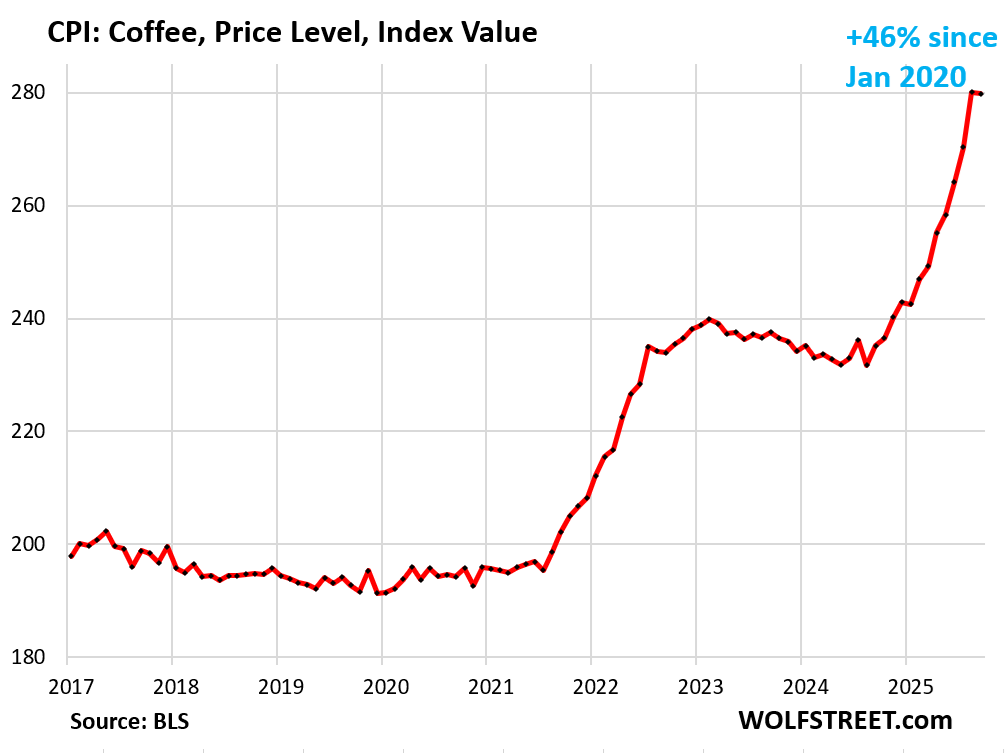
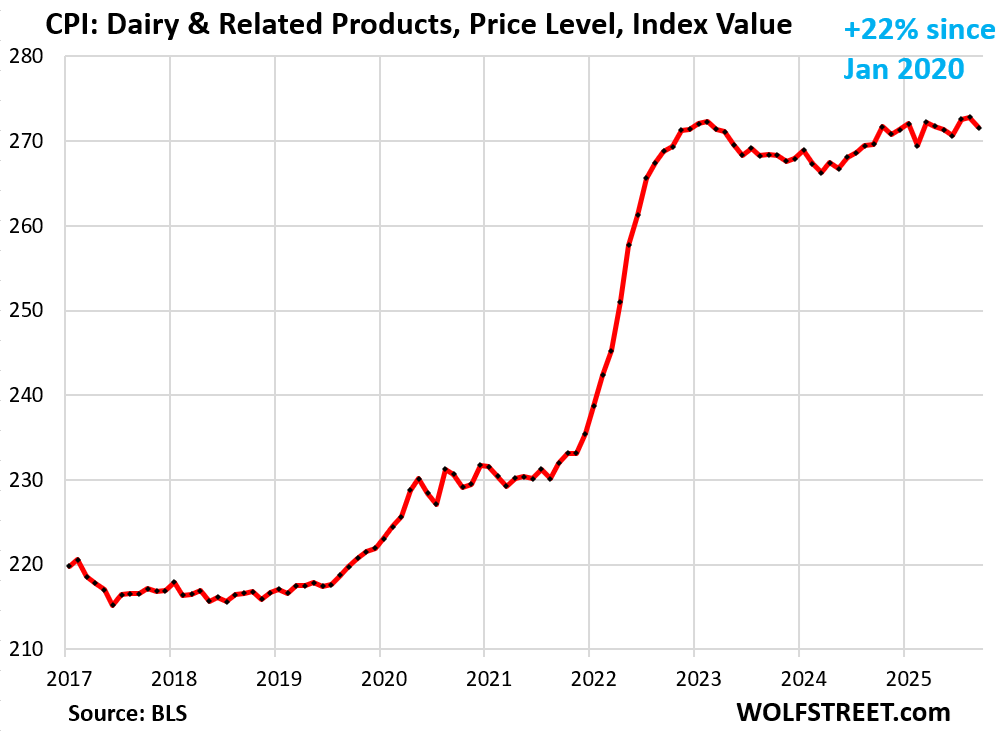
Source: Food Inflation: The Price Spikes of Beef, Coffee, Eggs, and Dairy – https://wolfstreet.com/2025/10/24/food-inflation-the-price-spikes-of-beef-coffee-eggs-and-dairy/
I decided I would try to collect data online from the largest supermarkets in the country, and I pretty soon realized that the numbers I was getting were two or three times higher than the official numbers for inflation. Alberto Cavallo, Professor of Business Administration, Harvard Business School – What happens when no one trusts a country’s economic data – https://www.pbs.org/newshour/show/what-happens-when-no-one-trusts-a-countrys-economic-data
I do the food shopping in my two person half retired household and my eyeballs tell me weekly our government inflation statistics do not match reality.
Aldi was very busy today.
Some 56.2 percent of the daily calories consumed by US adults come from federally subsidized food commodities: corn, soybeans, wheat, rice, sorghum, dairy, and livestock. While these calorie-dense foods once made sense for a government preparing for famine or total war, in recent decades they’ve instead helped make us fatter and sicker. Obesity Economics: How Subsidies Distort the American Diet – https://thedailyeconomy.org/article/obesity-economics-how-subsidies-distort-the-american-diet/
Yikes.
The 5 Ingredients You’ll Always Find in Jacques Pépin’s Kitchen
https://www.foodandwine.com/jacques-pepin-pantry-staples-11790988

Memo to Self – OK to use cheaper olive oil for cooking. Dried herbs essential, fresh is better.
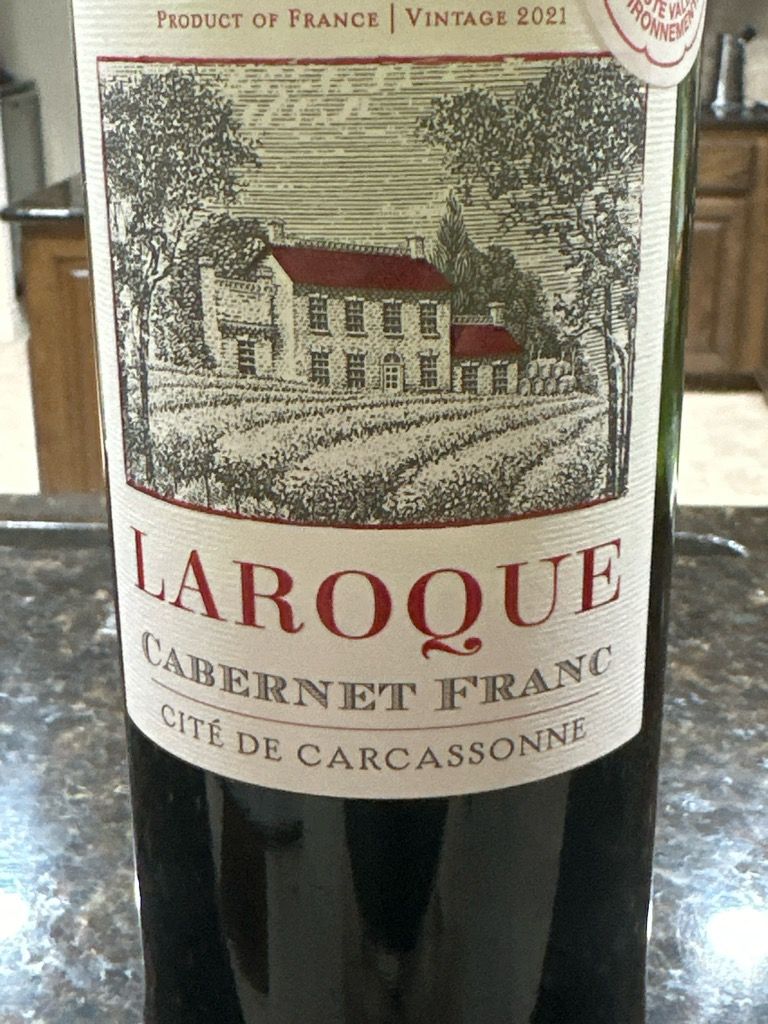
Memo to Self – For this dish one boneless chicken breast feeds two people. Jacques says this in the video but I didn’t believe him.
I’ve always preferred baking sweet potatoes over boiling and mashing sweet potatoes because my boiled version always turned out watery.
I just learned you have to boil the peeled sweet potatoes whole. After about 45-50 minutes check to see if the potatoes are cooked through. Then drain and return to the cooking pot. Turn the heat on to low and start smashing, and mashing while constantly stirring to avoid burning (I use a wooden spoon). After about five minutes a good amount of moisture will have evaporated from the potatoes. This is why sweet potatoes made this way aren’t too loose and watery. Add a splash of milk or half and half, a bunch of butter, salt and pepper to taste.
Memo to Self – buy more sweet potatoes, eat more sweet potatoes.

 garyskitchen.net