The Best Replacements for Meat and Milk (no, it’s not plant milks, veggie burgers or tofu)

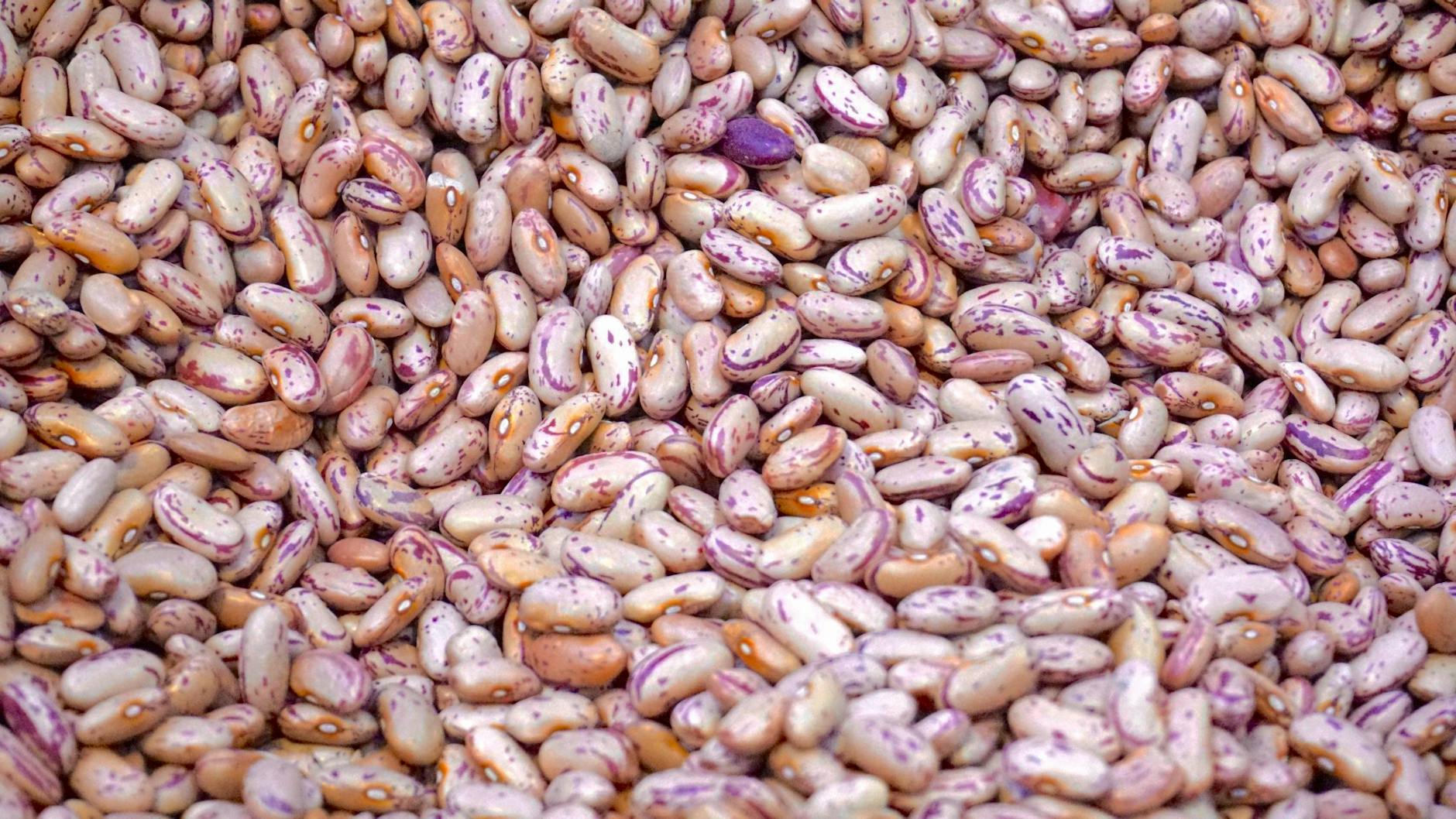
Beans and peas are the best meat and milk replacement from nutritional, health, environmental, and cost perspectives.

Our findings suggest that suitable alternatives to meat and milk exist and are available and affordable without necessarily requiring new technologies or product development. This contrasts with discussions in high-income countries on the needs to develop novel replacement foods, especially those that would completely mimic meat and dairy (18). Our nutritional, health, environmental, and cost analyses suggest that if one is prepared to consider foods for their properties instead of whether they are completely mimicking meat or dairyโ€”and surveys suggest that consumers are (49)โ€”then unprocessed legumes are, for the most part, superior to processed alternatives. This is also relevant for low and middle-income countries where legumes are readily available, but discussions on processed meat and milk alternatives are at an earlier stage, despite diets rapidly becoming similarly imbalanced as in high-income countries (1, 50). M. Springmann, A multicriteria analysis of meat and milk alternatives from nutritional, health, environmental, and cost perspectives, Proc. Natl. Acad. Sci. U.S.A. 121 (50) e2319010121, https://doi.org/10.1073/pnas.2319010121 (2024).

Photo by Pixabay on Pexels.com
Photo by Digital Buggu on Pexels.com

Keep it simple.

Prioritize Protein, Polyphenols, Healthy Fats, Calcium and Vitamin D

Research suggests that those who consume more protein tend to live longer and stay stronger and healthier later in life than those who consume less. But where you get your protein matters. Plant-based sources like legumes, nuts and whole grains seem to be especially beneficial, whereas protein from red and processed meat has been linked with shorter lives, Dr. Lars Fadnes, a professor of global public health at the University of Bergen in Norway, wrote in an email. How to Eat for a Long and Healthy Lifehttps://www.nytimes.com/2024/09/02/well/eat/foods-longevity-aging.html

Nice article. The last time I checked the link the NYT article was freely available and not sitting behind their paywall.

One key point was not covered in the article. Pizza! Tomato sauce for polyphenols and cheese for healthy fats and calcium. You already know what not to put on your pie to improve the health benefits.

Blueberries Make You Smarter?

Half a cup of blueberries a day improved the average participant’s language skills, improved their short-term memory, and enhanced their decision-making, planning, and organizational skills. Scientists Just Discovered That Eating Blueberries Will Make You Smarter and ‘Significantly’ Improve Your Memoryhttps://www.inc.com/jeff-haden/scientists-just-discovered-that-eating-blueberries-will-make-you-smarter-significantly-improve-your-memory.html

So I suppose not eating blueberries for most of my life was the main driver behind my impaired language skills, memory and decision making.

I wonder if the effects are dose dependent?

Sorry Hon, I ate all the blueberries. Again.

Seed Oils – Updated 08.24.24

If you consume social media, you may have heard: Seed oils are terrible for your healthโ€“even toxic! Cooking oils derived from seeds cause everything from heart disease to inflammation to fatigue to bad skinโ€“according to a certain subset of Internet influencers. Yet contrary to the posts demonizing the common ingredients, a bevy of scientific research disagrees…

And broadly, the best path to a healthy diet is probably what youโ€™d expect. A diet rich in fruits and vegetables, with whole grains and lots of fiber, is best, say Calder and Johnson. โ€œItโ€™s what your mother told you,โ€ Johnson adds. Moving more and eating slightly less overall, are probably also good ideas for most Americans, notes Harris. โ€œItโ€™s not sexy, but thatโ€™s the way it is.โ€ What science actually says about seed oils https://www.popsci.com/health/are-seed-oils-bad-for-you/

Update

The American Heart Association supports the inclusion of omega-6 fatty acids as part of a healthy diet. There’s no reason to avoid seed oils and plenty of reasons to eat them — https://www.heart.org/en/news/2024/08/20/theres-no-reason-to-avoid-seed-oils-and-plenty-of-reasons-to-eat-them

You’re welcome.

Beans for Breakfast – 06.11.24

Lead author Yanni Papanikolaou and colleagues analyzed data from the National Health and Nutrition Examination Surveyโ€™s What We Eat in America program to study how often U.S.-based adults consume beans. In their analyses, they focused on how often Americans consumed white and red kidney beans, black beans, chickpeas, and pinto beans. The researchers observed that adults who routinely consumed these beans had improved ratios of polyunsaturated fatty acids, monounsaturated fatty acids, and saturated fatty acids compared to those who did not consume beans. Those who ate beans also consumed 30% more fruits and 20% more vegetables. Higher Intake Of Beans Linked To More Nutritious Diet https://www.forbes.com/sites/anuradhavaranasi/2024/06/11/higher-intake-of-beans-linked-to-more-nutritious-diet/

Remember Research Reveals One Simple Habit That Promotes Longevity AND Provides Extra Income inย Retirement.

I’ve expanded my collection of cookbooks in search of more bean recipes.

It’s bean a lot of fun.

Eat The Real Paleo Diet…(eat more plants)

It has long been thought that meat played an important role in the diet of hunter-gatherers before the Neolithic transition. However, due to the scarcity of well-preserved human remains from Paleolithic sites, little information exists about the dietary habits of pre-agricultural human groups. A new study challenges this notion by presenting compelling isotopic evidence of a strong preference for plants among 15,000-year-old hunter-gatherers from Morocco. This is the first time a significant amount of plant consumption has been measured for a pre-agricultural population, shedding new light on the dietary practices of ancient human societies. More plants on the menu of ancient hunter-gatherers https://www.mpg.de/21865602/more-plants-on-the-menu-of-ancient-hunters-gatherers

More Cranberries

Cranberry is associated with multiple health benefits, which are mostly attributed to its high content of (poly)phenols, particularly flavan-3-ols. However, clinical trials attempting to demonstrate these positive effects have yielded heterogeneous results, partly due to the high inter-individual variability associated with gut microbiota interaction with these molecules. In fact, several studies have demonstrated the ability of these molecules to modulate the gut microbiota in animal and in vitro models, but there is a scarcity of information in human subjects. In addition, it has been recently reported that cranberry also contains high concentrations of oligosaccharides, which could contribute to its bioactivity. Hence, the aim of this study was to fully characterize the (poly)phenolic and oligosaccharidic contents of a commercially available cranberry extract and evaluate its capacity to positively modulate the gut microbiota of 28 human subjects. After only four days, the (poly)phenols and oligosaccharides-rich cranberry extract, induced a strong bifidogenic effect, along with an increase in the abundance of several butyrate-producing bacteria, such as Clostridium and Anaerobutyricum. Plasmatic and fecal short-chain fatty acids profiles were also altered by the cranberry extract with a decrease in acetate ratio and an increase in butyrate ratio. Finally, to characterize the inter-individual variability, we stratified the participants according to the alterations observed in the fecal microbiota following supplementation. Interestingly, individuals having a microbiota characterized by the presence of Prevotella benefited from an increase in Faecalibacterium with the cranberry extract supplementation.

Short term supplementation with cranberry extract modulates gut microbiota in human and displays a bifidogenic effect — https://www.nature.com/articles/s41522-024-00493-w

The further I got into reading this study the more I realized it was way over my pay grade.

I’ll sumarize – eat more cranberries because they’re good for you.

My earlier post Cranberries was much easier to understand.

More on Blue Zones and a Diet You Probably Never Heard Of

Food is another key component of healthy living in blue zones, says Buettner. People there tend to consume unprocessed foods, beans, legumes, fruits, and vegetablesโ€”often following traditional recipes that have been passed down through generations. That style of eating is good for heart and cognitive health, says Linda Hershey, MD, PhD, FAAN, professor of neurology at the University of Oklahoma Health Sciences Center in Oklahoma City. โ€œNumerous high-quality studies support the benefits of the MIND, DASH, and Mediterranean diets, which emphasize green leafy vegetables, fruits, beans, nuts, fish, poultry, oil, and whole grains, and discourage fried food, processed meat, snack foods, and sweets,โ€ Dr. Hershey says.

โ€œBlue Zonesโ€ Author Dan Buettner Shares the Secrets to a Long and Healthy Life — https://www.brainandlife.org/articles/author-dan-buettner-shares-secrets-to-long-healthy-life

Just Another Diet You Probably Never Heard Of

Researchers used the portfolio diet score to rank the participantsโ€™ consumption of plant proteins, nuts and seeds, viscous fiber, phytosterols and plant sources of monounsaturated fatty acids. After up to 30 years of follow-up, those with the highest portfolio diet score had a 14% lower risk of coronary heart disease and stroke compared to those with the lowest score. The findings were published Wednesday in the American Heart Association journal Circulation.

โ€œWeโ€™re always looking at ways to reduce the risk of heart disease, and one effective way to do that is to lower blood cholesterol levels, particularly LDL cholesterol,โ€ said Dr. Kristina Petersen, an associate professor of nutritional sciences at Penn State in University Park, Pennsylvania.

Petersen, who was not involved in the research, is well-versed in how diets can affect heart health. She co-authored an AHA scientific statement published in April that scored 10 popular diets for their heart-health benefits. The Dietary Approaches to Stop Hypertension โ€“ or DASH โ€“ diet was the only eating pattern to get a perfect score, with the Mediterranean and pescetarian diets rounding out the top three. The portfolio diet was excluded from the assessment โ€œbecause itโ€™s not particularly common,โ€ she said.

Ever heard of the portfolio diet? โ€” https://www.heart.org/en/news/2023/10/25/ever-heard-of-the-portfolio-diet-it-may-lower-risk-for-heart-disease-and-stroke