
Excuse me, I have to sit down and write.
I Almost Went an Entire Year Without a Post About Lentils
I said “almost”.
Why You Need This Thousand-Year-Old Legume in Your Life (Spoiler: It’s Lentils) – https://vegnews.com/why-you-need-to-eat-lentils
And for the faithful, yes this is another Electronic Sticky Note.
Health Benefits of Winter Squash
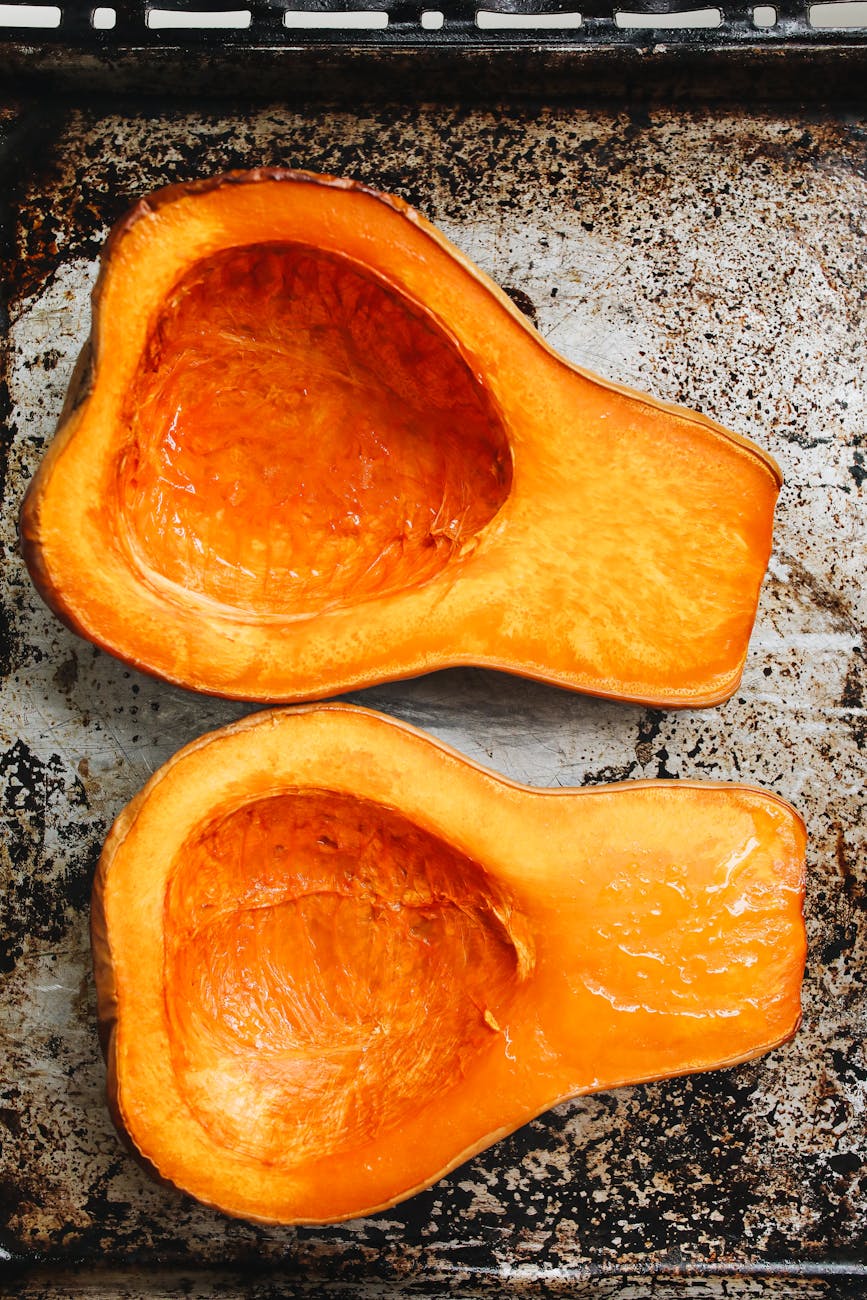
Just another Electronic Sticky Note to remind myself to eat more winter squashes besides my favorite Butternut. The Health Benefits of Winter Squash (Plus, 7 Types to Try) – https://vegnews.com/health-benefits-winter-squash-types-to-try
And as a reminder about my previous Electronic Sticky Note 42 Vegetarian Butternut Squash Recipes- Vegetarian Times to try some different preparations besides a simple roast or Butternut Squash Enchilada Casserole.
Lasagne? I’ve totally forgotten about Butternut Squash and Spinach Lasagne.
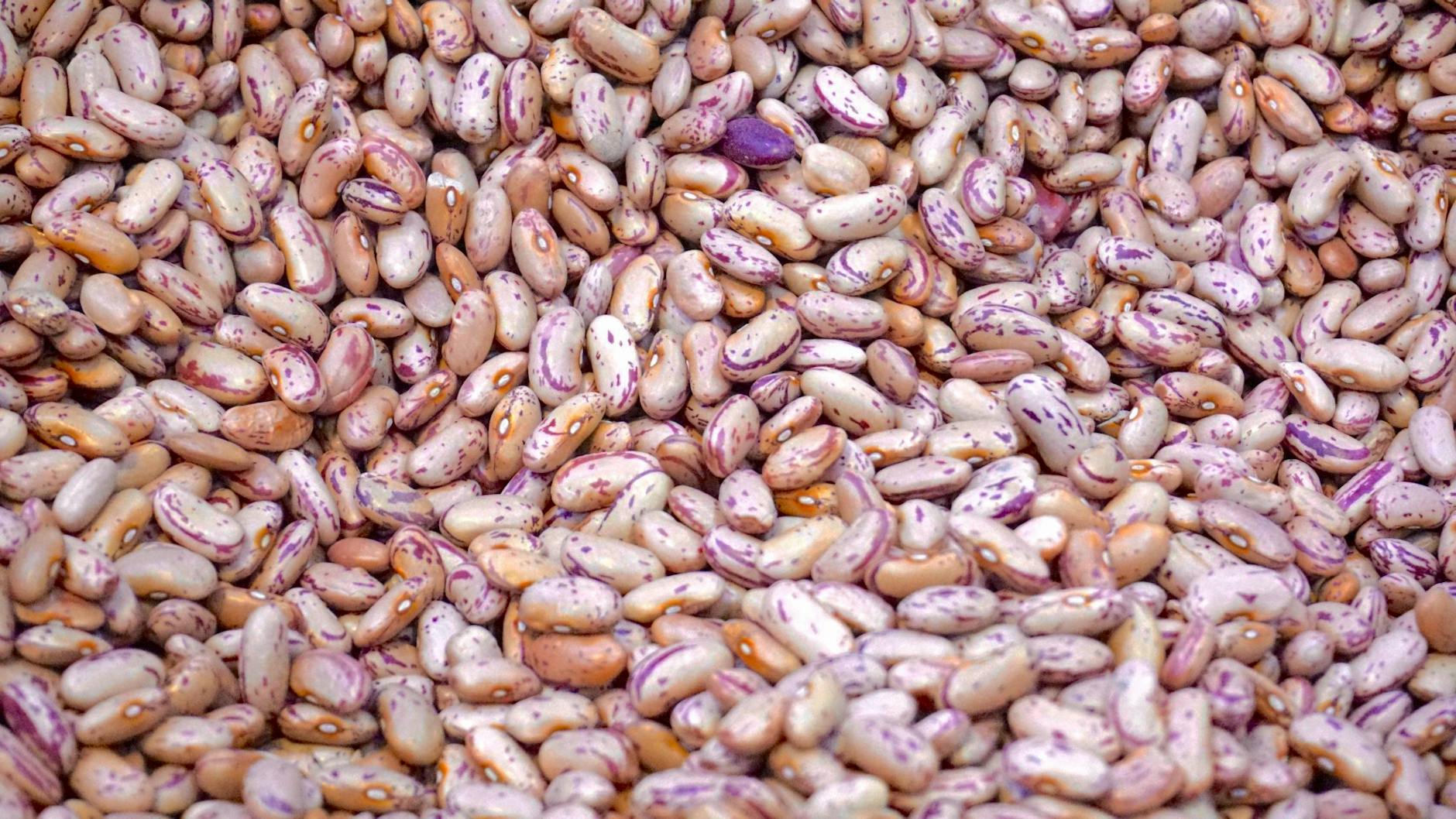
The Best Replacements for Meat and Milk (no, it’s not plant milks, veggie burgers or tofu)
Beans and peas are the best meat and milk replacement from nutritional, health, environmental, and cost perspectives.
Our findings suggest that suitable alternatives to meat and milk exist and are available and affordable without necessarily requiring new technologies or product development. This contrasts with discussions in high-income countries on the needs to develop novel replacement foods, especially those that would completely mimic meat and dairy (18). Our nutritional, health, environmental, and cost analyses suggest that if one is prepared to consider foods for their properties instead of whether they are completely mimicking meat or dairy—and surveys suggest that consumers are (49)—then unprocessed legumes are, for the most part, superior to processed alternatives. This is also relevant for low and middle-income countries where legumes are readily available, but discussions on processed meat and milk alternatives are at an earlier stage, despite diets rapidly becoming similarly imbalanced as in high-income countries (1, 50). M. Springmann, A multicriteria analysis of meat and milk alternatives from nutritional, health, environmental, and cost perspectives, Proc. Natl. Acad. Sci. U.S.A. 121 (50) e2319010121, https://doi.org/10.1073/pnas.2319010121 (2024).

Keep it simple.
Trouble in Paradise 2024 (it’s Weight Gain Season again)
I’ve been posting this chart for several years around the Holiday Season. The source has been attributed to the New England Journal of Medicine. but I could never find the original source article.

Obesity prevalence among older Americans has increased at an alarming rate. In a single generation—between 1988-1994 and 2015-2018—the share of U.S. adults ages 65 and older with obesity nearly doubled, increasing from 22% to 40%.13 – Fact Sheet: Aging in the United States https://www.prb.org/resources/fact-sheet-aging-in-the-united-states/
At the beginning of every month I record my weight in my personal journal. I started November at 176.2. I managed to survive two birthdays, one homemade Eddie’s Carrot Sheet Cake, a few cupcakes, and the recurring annual threat of Halloween candy. Two more months to go.
My doctor says I worry too much about gaining weight. But she’s a hell of lot younger so what does she really know about my aging metabolism?
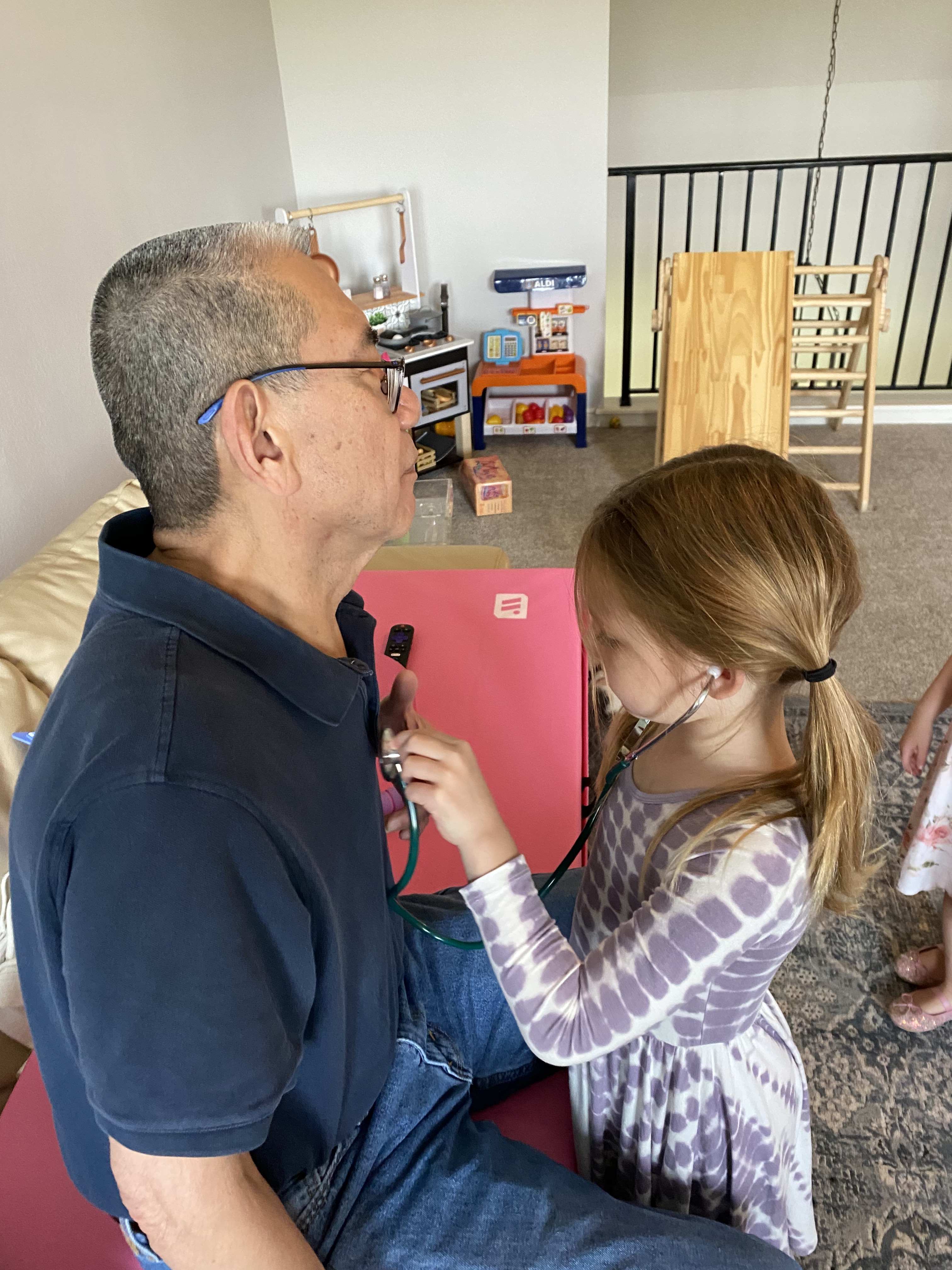
Remember this from two years ago? Well the bakers showed up again this Thanksgiving.

It was so good we did it again.
This year’s Thanksgiving was wonderful and memorable in a number of ways. The first blessing of the season was I didn’t have to drive. Let’s just say The Boss wouldn’t let me drive.

The next blessing was spending time with relatives we had not seen in several years. We shared stories, made fun of one another and had a great time. Thanksgiving was different this year; neither of our kids and their families were with us. So we had to borrow a Tiny Human for the occasion.

One Tiny Human, a lot more aunts, uncles, parents and grandparents.
The best blessing was I managed to gain just two pounds from this year’s Thanksgiving food binge.
Happy Thanksgiving to all. Stay well. Stay slim.
Which Matteo is Your Favorite?

Family photo from 2022 with Matteo in the Middle

Matteo Stuffy #1
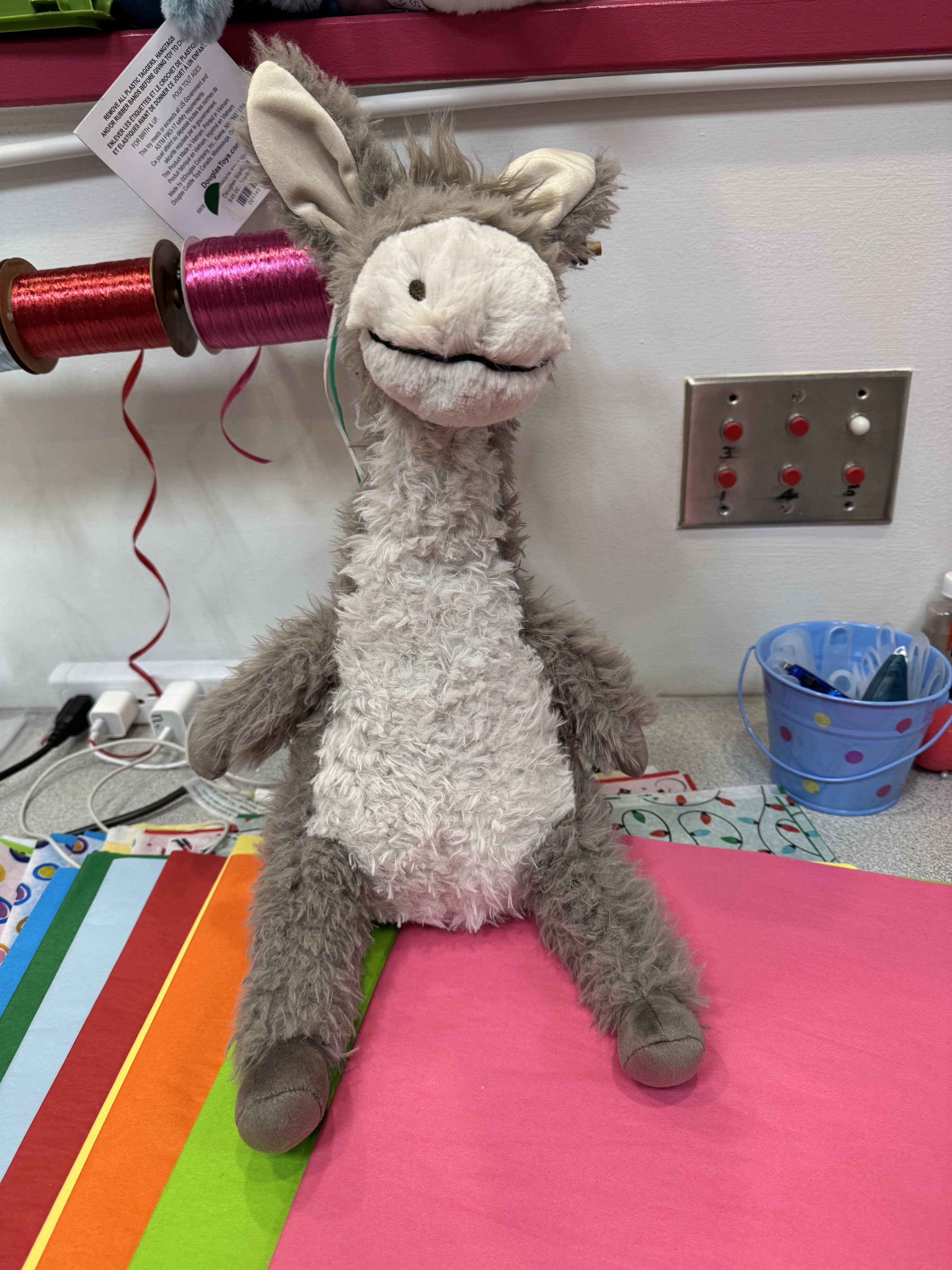
Matteo Stuffy #2
Matteo Mancuso
What Retirees Do With Their Time #3
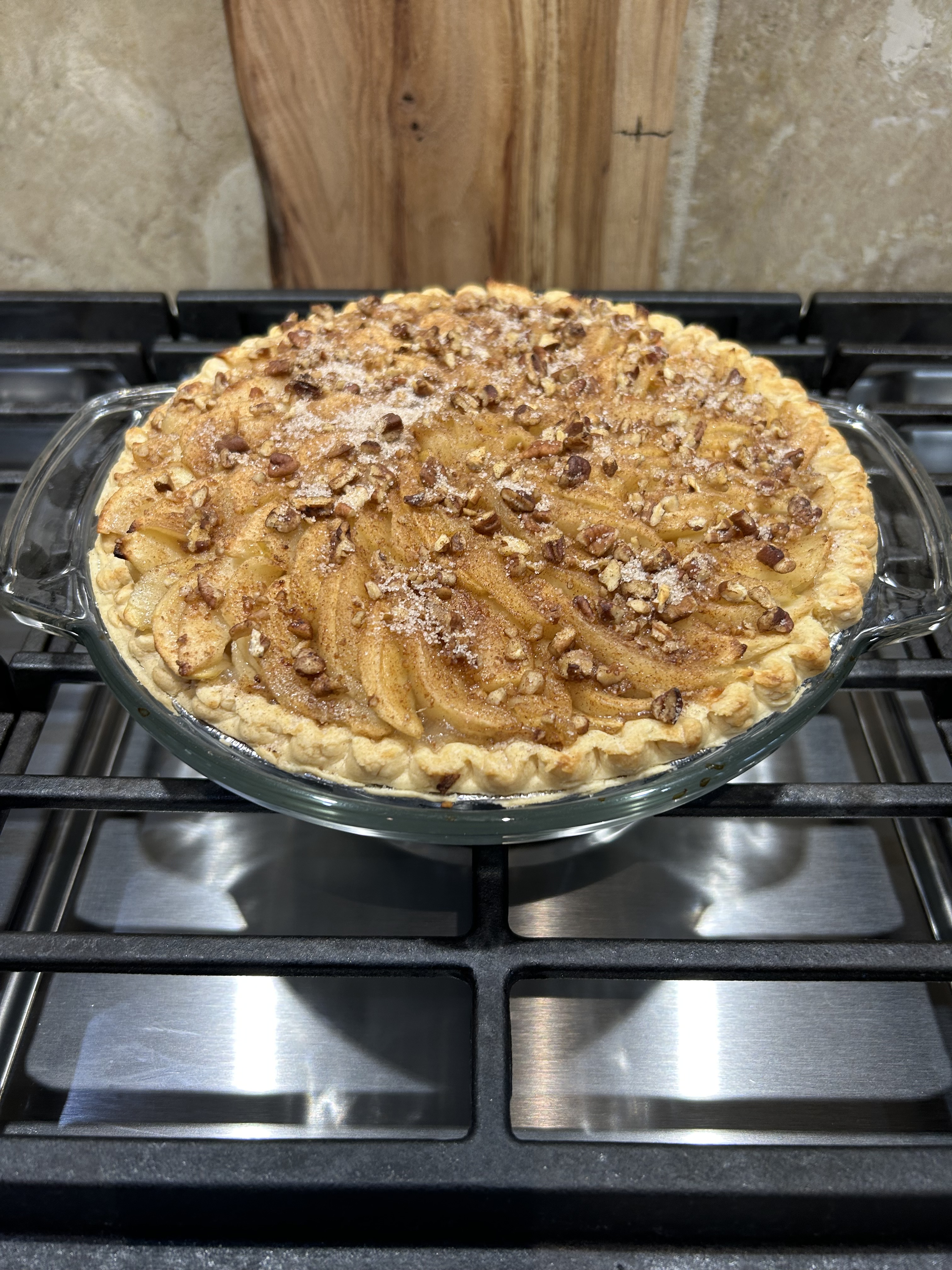
I helped peel and slice the apples. The retiree did the rest.
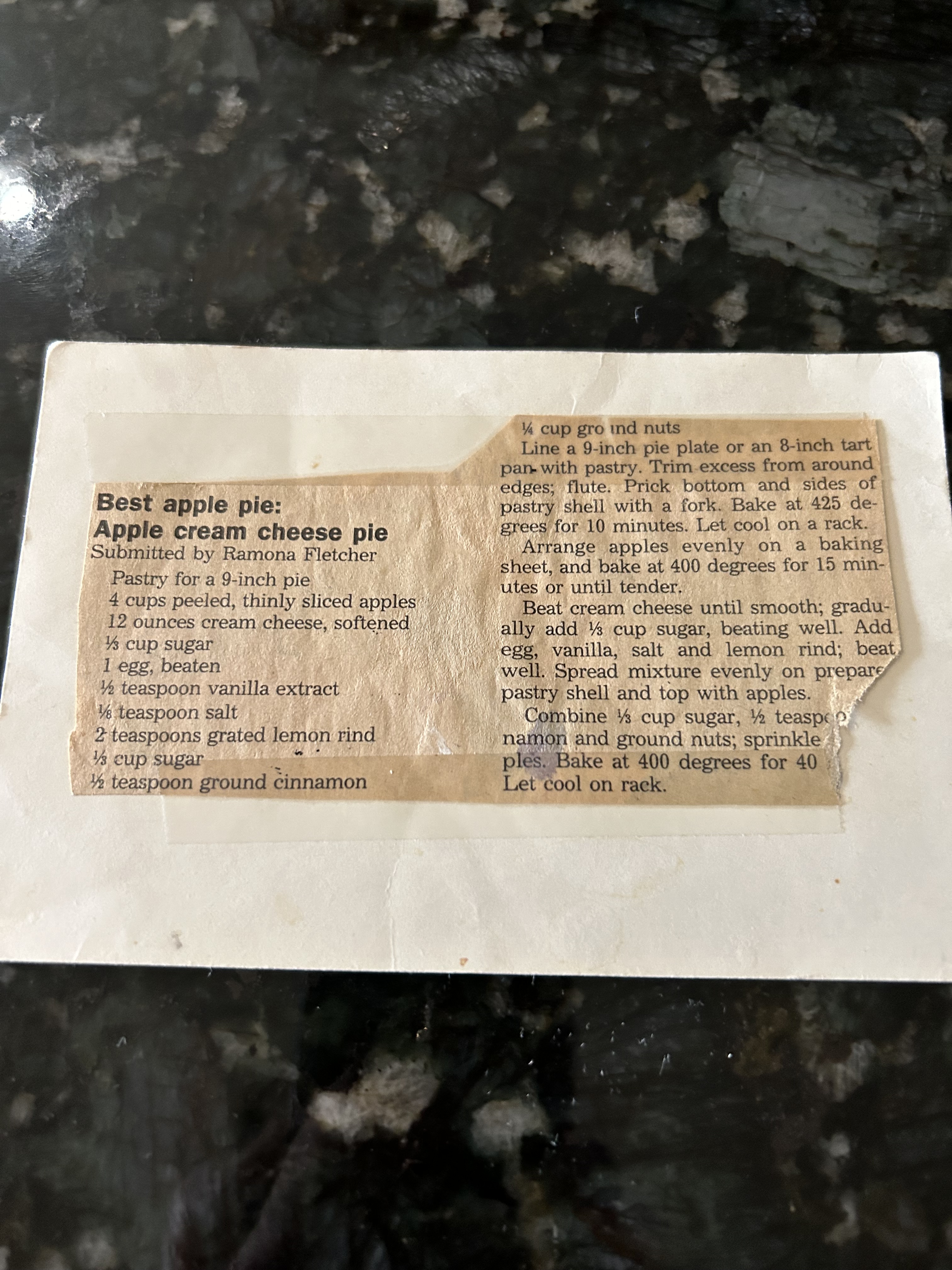
Apple Cream Cheese Pie. It’s like an apple pie and a cheesecake got married and had a kid.
I Just Paid $2.15 for a Dozen Eggs
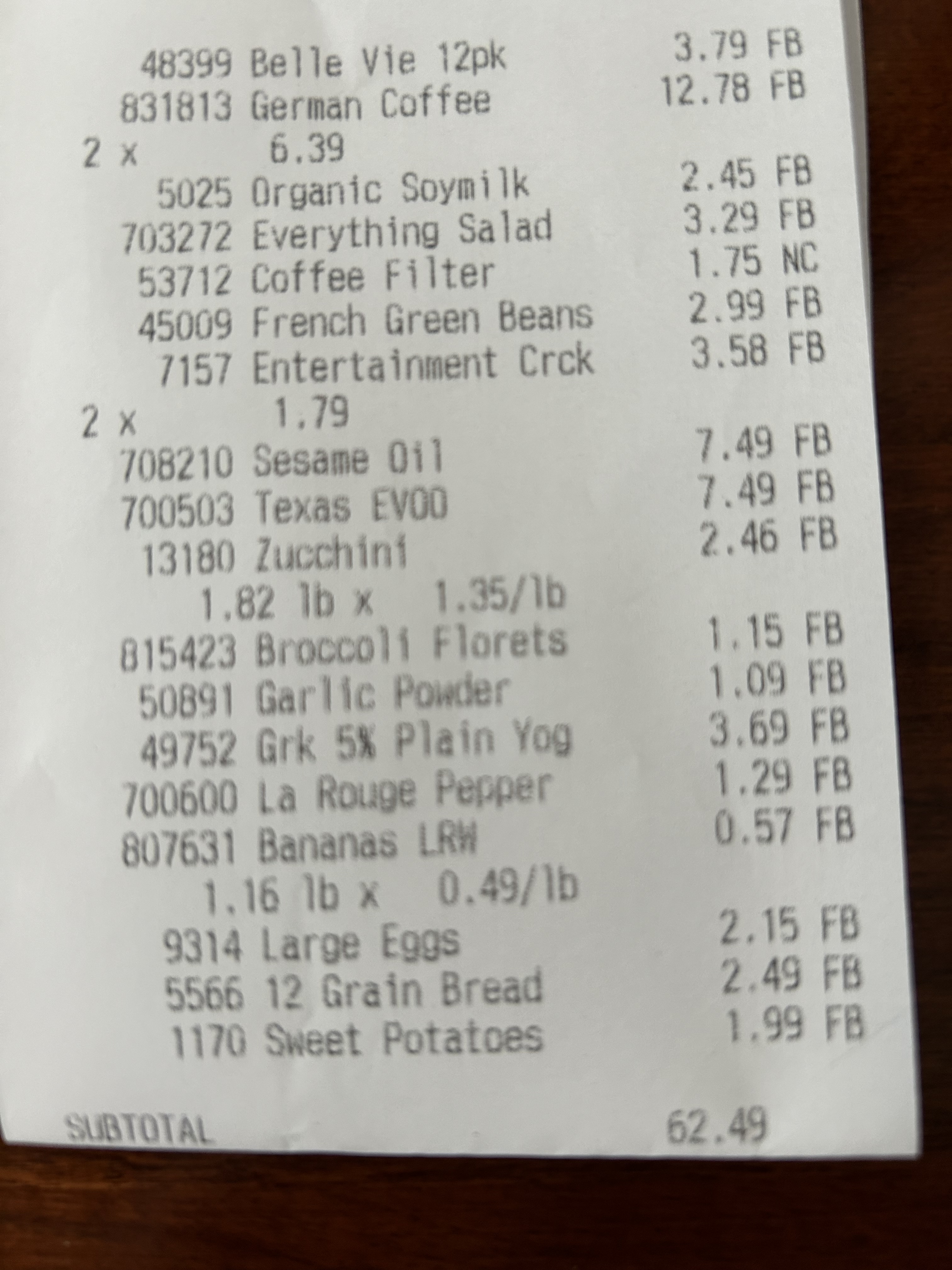
Back in the good old days a dozen eggs cost just $0.89 cents. See Egg Salad (because you will be eating more eggs).
Two months ago I Just Paid $5.59 for a Dozen Eggs!
Can someone, anyone please explain to me what the hell is happening?
Blaming the recent sky high cost of eggs on bird flu was big news.
Maybe all of those egg laying hens got better…
Maybe
I write a phrase, then wait for what follows. Then hold still as nothing more comes. Then I delete the first words and fall back into silence.
Maybe all that has been written before is enough. Maybe it’s time to say less—time to hide quietly beyond words and positions and insights. Maybe it’s time to allow what has come before to be what has already happened.
Maybe it’s time to stop. Maybe just this morning or maybe tomorrow too. Maybe only occasionally. Maybe not at all for a long while.
We’ll see.
Blog post by David Rynick May 11, 2021 – https://davidrynick.com/blog/
I feel the same way today.
The Last Bag of Organic Frozen Peas I Bought Will Be The Last Bag of Organic Frozen Peas I’ll Ever Buy
The false dichotomy between conventional and organic isn’t just misleading, it’s dangerous. Our constant attention on natural versus synthetic only causes fear and distrust, when in actuality, our food has never been safer.
Eating fewer fruits and vegetables due to fear of pesticides or the high price of organic food does far more harm to our health. Conventional produce has the same nutritional content and is as safe to consume as ‘organic’ produce. Most of Americans already don’t eat enough fruits and vegetables, and produce contains important nutrients, fiber, and other substances that are extremely important to our health.
From a scientific point of view, organic foods are not superior. If you want to spend more money on them, go for it. But don’t buy organic because you think it’s better for you or for the planet, because it’s not. Organic foods are not healthier…or pesticide free. — https://news.immunologic.org/p/organic-foods-are-not-healthieror
I’m beginning to think I read too much. But every now and then I come across very interesting and useful information. The entire article is about a 10-15 read and is worth your time.
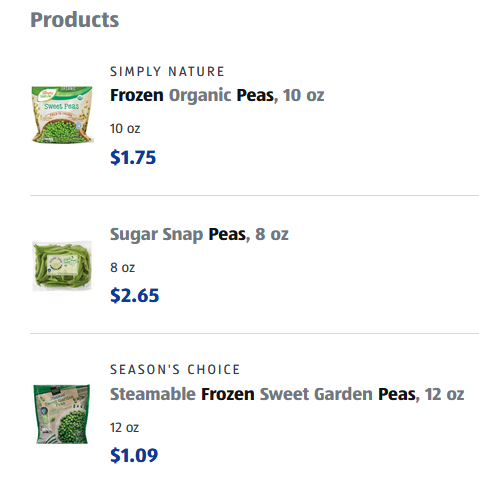
The amount of product labeled Organic in my freezer and pantry are minimal compared to everything else. But if the quality isn’t better or the nutritional value isn’t superior then my choice is to save money at the store whenever I can.
Nutritional quality of organic foods: a systematic review – https://ajcn.nutrition.org/article/S0002-9165(23)26563-6/fulltext
 garyskitchen.net