Beans and peas are the best meat and milk replacement from nutritional, health, environmental, and cost perspectives.
Our findings suggest that suitable alternatives to meat and milk exist and are available and affordable without necessarily requiring new technologies or product development. This contrasts with discussions in high-income countries on the needs to develop novel replacement foods, especially those that would completely mimic meat and dairy (18). Our nutritional, health, environmental, and cost analyses suggest that if one is prepared to consider foods for their properties instead of whether they are completely mimicking meat or dairy—and surveys suggest that consumers are (49)—then unprocessed legumes are, for the most part, superior to processed alternatives. This is also relevant for low and middle-income countries where legumes are readily available, but discussions on processed meat and milk alternatives are at an earlier stage, despite diets rapidly becoming similarly imbalanced as in high-income countries (1, 50). M. Springmann, A multicriteria analysis of meat and milk alternatives from nutritional, health, environmental, and cost perspectives, Proc. Natl. Acad. Sci. U.S.A. 121 (50) e2319010121, https://doi.org/10.1073/pnas.2319010121 (2024).
Once a fringe movement, it is now firmly mainstream, something that is being reflected by increasing vegan options in restaurants and supermarkets.
Nope. Still a trendy thing on the fringe. Don’t take this the wrong way. I haven’t eaten any meat in several days. But please try to do just a little bit of serious research before jumping to conclusions.
Oh sorry, I forgot this was a food blog. If you’ve read this far, thank you for reading my mini-rant. And to think I started this post thinking about making a new to me chickpea recipe.
Well, I’ve already doctored up the recipe and made a batch to go along with a grilled burger. You’ll need:
One 10 ounce package of frozen organic corn
1 or 2 cloves garlic, finely minced
1/ 4 cup red onion, finely minced
1 cup cherry tomatoes, cut in half
1 cup cucumber, peeled, seeded cut into small cubes
1 Tablespoon fresh lime juice
1 Tablespoon red wine vinegar
3 Tablespoons extra virgin olive oil
about 1 tsp honey
1 handful fresh rinsed and minced parsley,
1 handful fresh rinsed and minced basil
salt and black pepper to taste
Do this:
Put the bag of corn in the microwave and do not follow the instructions on the bag
Cook for four minutes, carefully remove the bag from the microwave, open while not trying to burn yourself, dump into a colander and rinse with cold water. Allow to drain and dry.
In a large mixing bowl, mix the dressing ingredients lime juice, vinegar, honey, olive oil, salt, and pepper. Add the garlic and red onion. Mix well. Taste and adjust seasonings.
Add the corn, tomatoes, cucumber, basil, parsley. Toss.
Cover and refrigerate. Serve lightly chilled or at room temperature.
You’ll have enough for four healthy servings. Don’t forget the Feta cheese or forget the Feta cheese if you want to keep the salad vegan.
Took a taste. Nailed it.
(again, this is not an actual picture of the salad but an AI generated picture of the salad which looks awfully close to the real thing)
I have never made nor eaten corn salad. Until today. Time to make a short story long.
The Two Tiny Tornadoes and Their Mom came to the house this past weekend. Along with the toys, stuffies and other assorted things Tiny Humans pack on trips our favorite Okie DIL brought a bag full of fresh cucumbers from her parents’ backyard garden. So what do you do with a bunch of fresh cucumbers?
The Boss was reading The Oklahoman and came across a recipe for corn salad by blogger Chula King in an article in the Tallahassee Democrat. I couldn’t find a link to the article in my local digital newspaper so I went to the source.
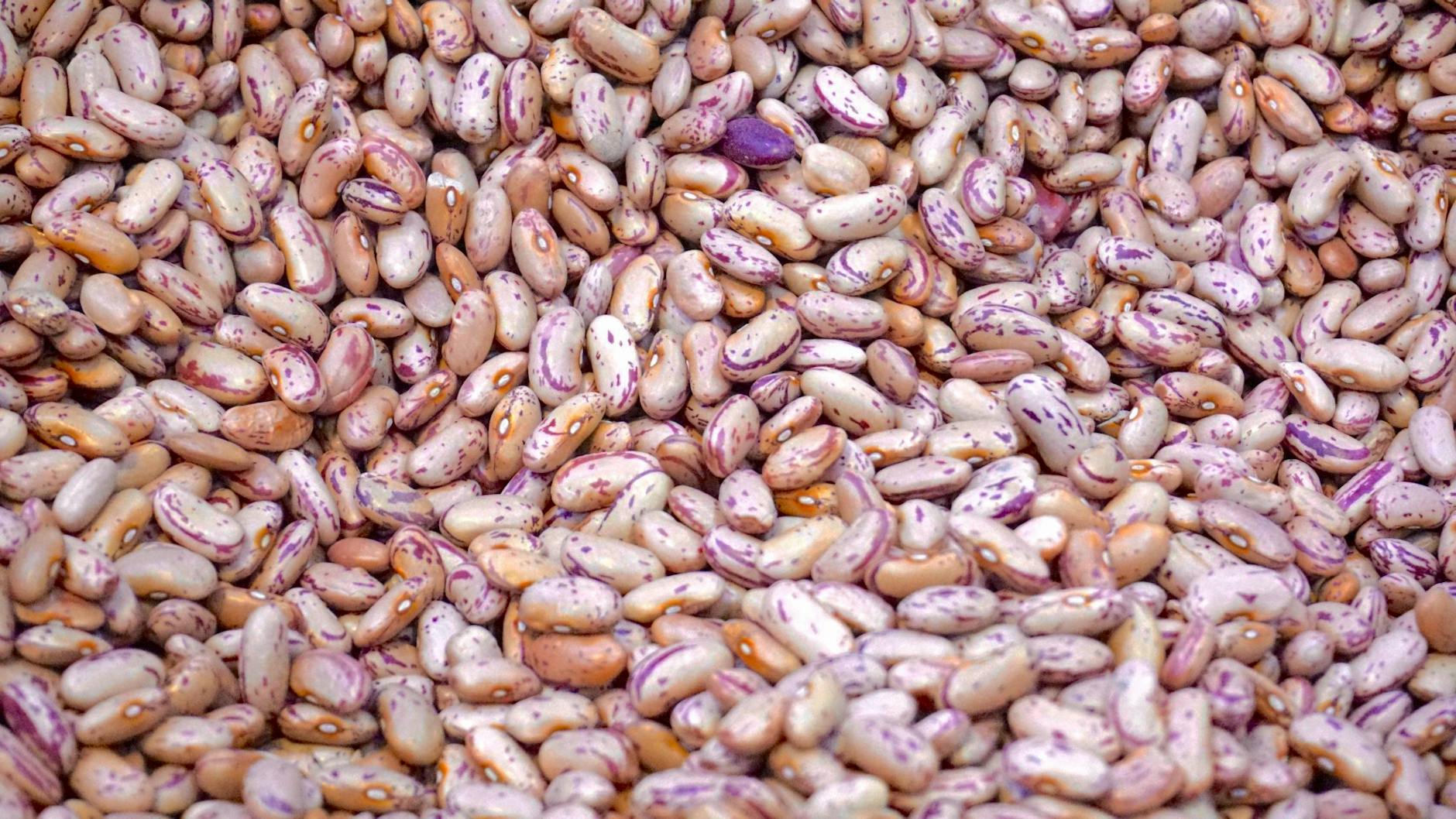
Lead author Yanni Papanikolaou and colleagues analyzed data from the National Health and Nutrition Examination Survey’s What We Eat in America program to study how often U.S.-based adults consume beans. In their analyses, they focused on how often Americans consumed white and red kidney beans, black beans, chickpeas, and pinto beans. The researchers observed that adults who routinely consumed these beans had improved ratios of polyunsaturated fatty acids, monounsaturated fatty acids, and saturated fatty acids compared to those who did not consume beans. Those who ate beans also consumed 30% more fruits and 20% more vegetables. Higher Intake Of Beans Linked To More Nutritious Diet — https://www.forbes.com/sites/anuradhavaranasi/2024/06/11/higher-intake-of-beans-linked-to-more-nutritious-diet/
In a cohort study of 2062 men diagnosed with nonmetastatic prostate cancer, individuals with the highest intake of plant foods in the overall plant-based diet index had lower risk of prostate cancer progression compared with those with the lowest intake.




 garyskitchen.net