Today
Monday earlier this week
Monday

A food memoir of weight loss, family recipes, digital cookbook and nutrition information for family and friends
Monday
Spring Roll Dipping Sauce https://thewoksoflife.com/spring-roll-dipping-sauce/
For new readers an electronic sticky note is a reminder and pointer to recipes from other websites that one day I might try.
So when the bots come back (see The Recipes in This Blog Are Being Stolen by AI) they’ll be stealing someone else’s copyrighted material.
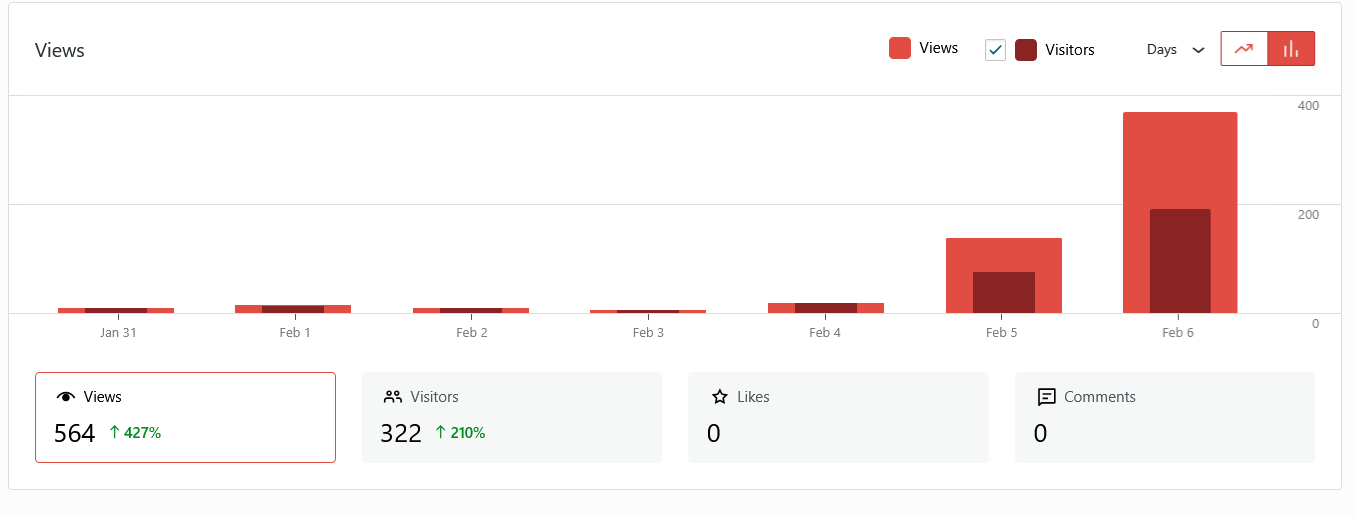
I know it’s AI because my recipes can’t be this good!
Some 56.2 percent of the daily calories consumed by US adults come from federally subsidized food commodities: corn, soybeans, wheat, rice, sorghum, dairy, and livestock. While these calorie-dense foods once made sense for a government preparing for famine or total war, in recent decades they’ve instead helped make us fatter and sicker. Obesity Economics: How Subsidies Distort the American Diet – https://thedailyeconomy.org/article/obesity-economics-how-subsidies-distort-the-american-diet/
Yikes.
Behind Aspen’s international skiing luster lies a deep, competitive hockey culture that makes for a tough beer league. A drive to win the bragging rights to the battered Pell Cup turns architects, bartenders, contractors, lawyers, teachers, ski bums, and friends into fierce, fist-throwing rivals…former pros, Division I college players, and old goats—or, more accurately, has-beens and never-weres—battle away for what may be the hardest-earned, least-known trophy in nonprofessional hockey: the Pell Cup. Named after longtime Aspenite Peter Pell (a notoriously sharp-tongued player who never won the cup himself), this dented piece of pewter is a horrible, miniature replica of the Stanley Cup, the National Hockey League’s holy grail. If you look past the beer and whiskey stains, you will see nearly a half century of Aspen’s history etched in the names of its hockey clubs, sponsored by bars, camera stores, laundromats, and other long-gone businesses. Is Aspen a Hockey Town at Heart? – https://www.aspensojo.com/travel-and-outdoors/2019/02/is-aspen-a-hockey-town-at-heart

Image: Courtesy: Pete McBride author of Is Aspen a Hockey Town at Heart?



So proud of you son!
Eating is getting expensive – https://vegnews.com/eggs-foods-at-risk
Understanding why we always have room for dessert could lead to new treatments for obesity, researchers have revealed.
— Read on www.newsweek.com/dessert-stomach-real-brain-neurons-mice-2030775
Two months ago I Just Paid $2.15 for a Dozen Eggs. Well…
According to the U.S. Department of Agriculture, egg prices in California jumped 70% from November to December, bringing the average cost for a dozen eggs to $8.97. https://abc30.com/post/bird-flu-impacting-californias-egg-supply/15728243/
I’m glad I don’t live in California.
Excuse me, I have to sit down and write.
I said “almost”.
Why You Need This Thousand-Year-Old Legume in Your Life (Spoiler: It’s Lentils) – https://vegnews.com/why-you-need-to-eat-lentils
And for the faithful, yes this is another Electronic Sticky Note.
 garyskitchen.net