
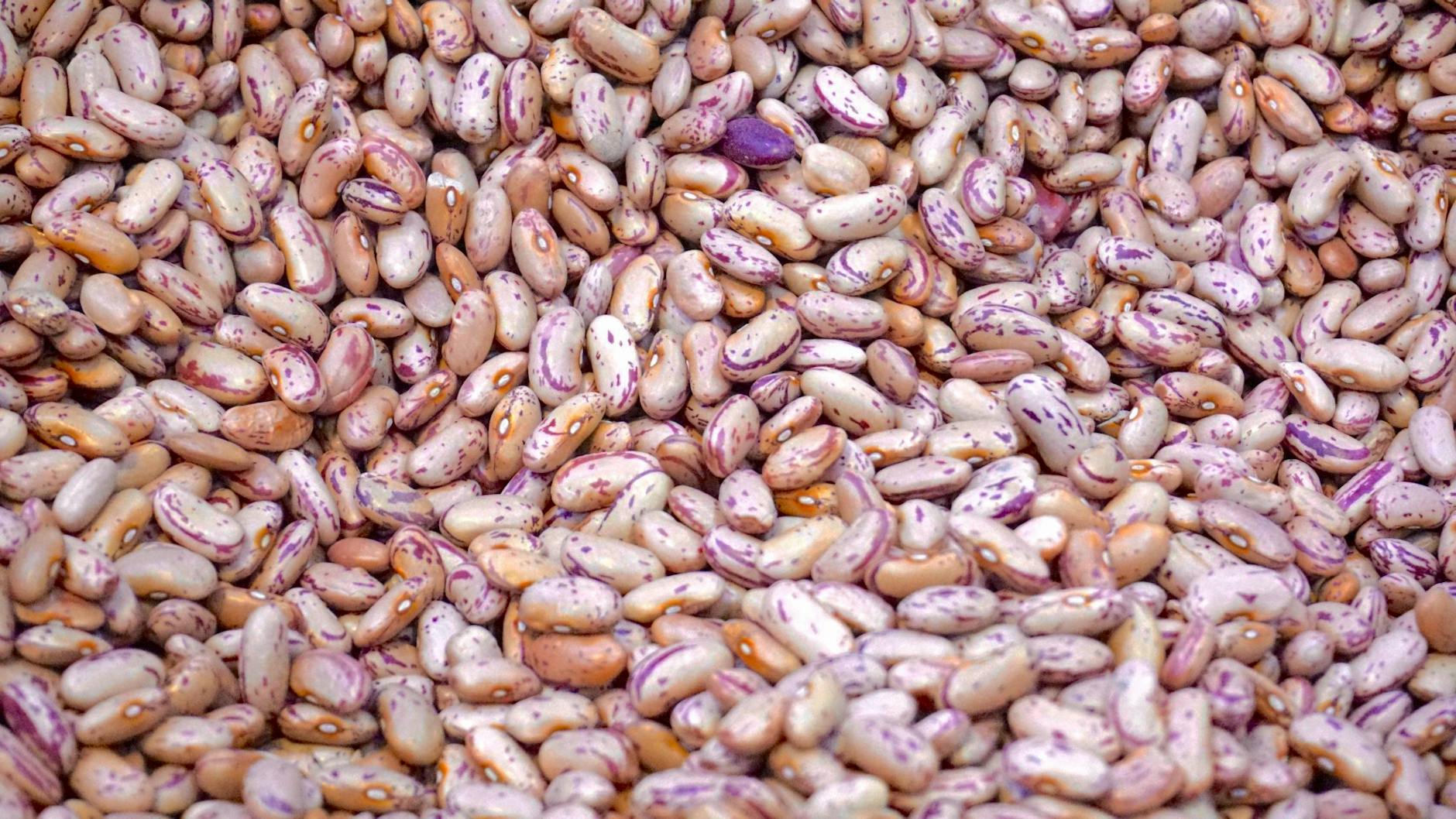
The scientific report has some positive recommendations. It recommends that Americans eat more beans, peas, and lentils and eat less red and processed meat. It recommends that Beans, Peas, and Lentils move from a subgroup of the Vegetables Food Group to a subgroup of the Protein Food Group. When listing foods in the Protein Food Group, Beans/Peas/Lentils should be listed first, followed by Nuts/Seeds/Soy products, then Seafood, and lastly Meats/Poultry/Eggs. – 2025 Dietary Guidelines Advisory Committee’s Scientific Report Recommends Eating More Beans, Peas, and Lentils and Eating Less Red and Processed Meat – http://www.vrg.org/blog/2025/01/31/2025-dietary-guidelines-advisory-committees-scientific-report-recommends-eating-more-beans-peas-and-lentils-and-eating-less-red-and-processed-meat/
If you want to geek out on the full report here’s the download link – https://www.dietaryguidelines.gov/2025-advisory-committee-report
U.S. rates of nutrition-related chronic health conditions are high, and data show significant differences in prevalence across socio-demographic groups. For example, the prevalence of obesity is lower among non-Hispanic Asian children compared to all other race and/or ethnicity groups examined, and the prevalence is lower in non-Hispanic White children compared to non-Hispanic Black and Hispanic and/or Latino children. Obesity is significantly lower among children with higher family income compared to those with lower family income. Among adults, the prevalence of obesity is lower among non-Hispanic Asian adults and higher in non-Hispanic Black adults. Prevalence of hypertension is higher in non-Hispanic Black adults than adults of all other race and/or ethnicity groups examined. Diabetes is lower in non-Hispanic White adults compared to all other race and/or ethnicity groups examined, while gestational diabetes is highest among non-Hispanic Asian adults and lowest among non-Hispanic Black adults. Income data show that among adults, the prevalence of obesity, of hypertension, and of diabetes are higher among families with lower incomes compared to higher incomes.
I’ve not read the entire report but judging from what I’ve read so far it is definitely Geek Paradise.

 garyskitchen.net